
The Science Behind Fast Charging
Have you ever plugged in your phone for just 15 minutes and gained over 50% battery? A few years ago, this seemed impossible. Today, smartphones can charge from 0% to 100% in less than half an hour. But how is that possible?
The science behind fast charging is one of the biggest technological breakthroughs in modern smartphones. Fast charging isn’t simply about forcing more electricity into a battery. It involves advanced power management, intelligent charging algorithms, temperature monitoring, battery chemistry, and specialized hardware working together.
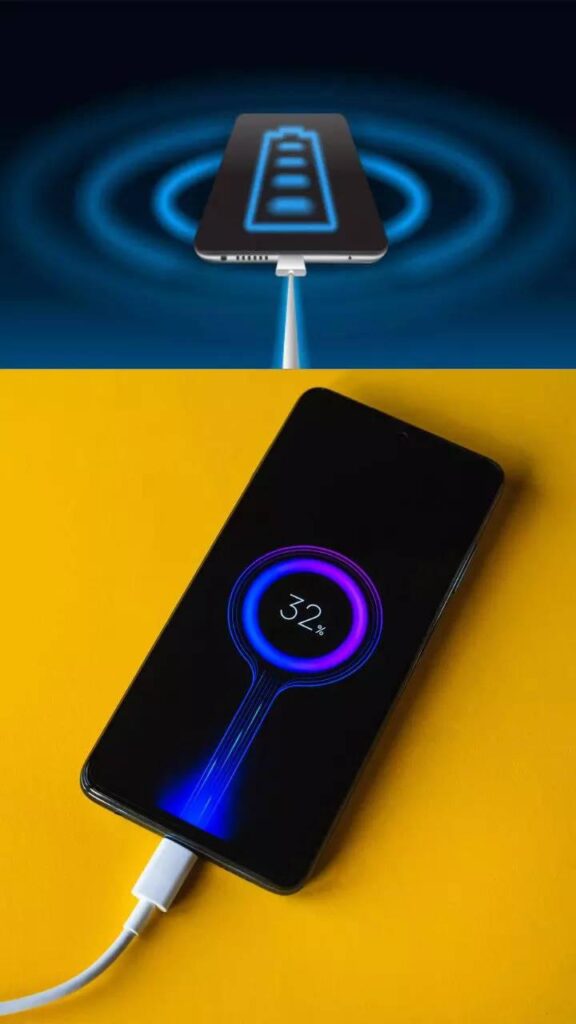
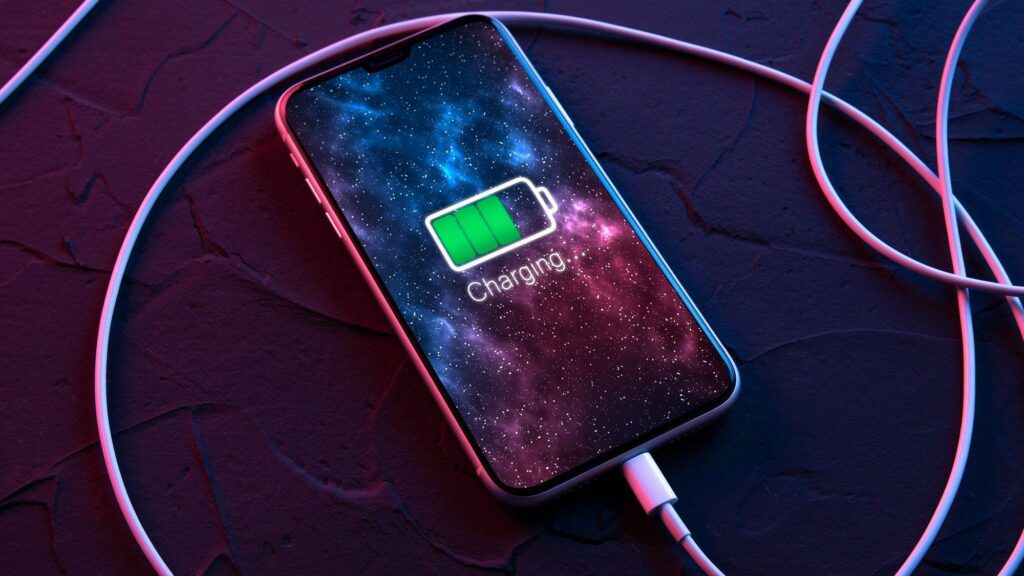
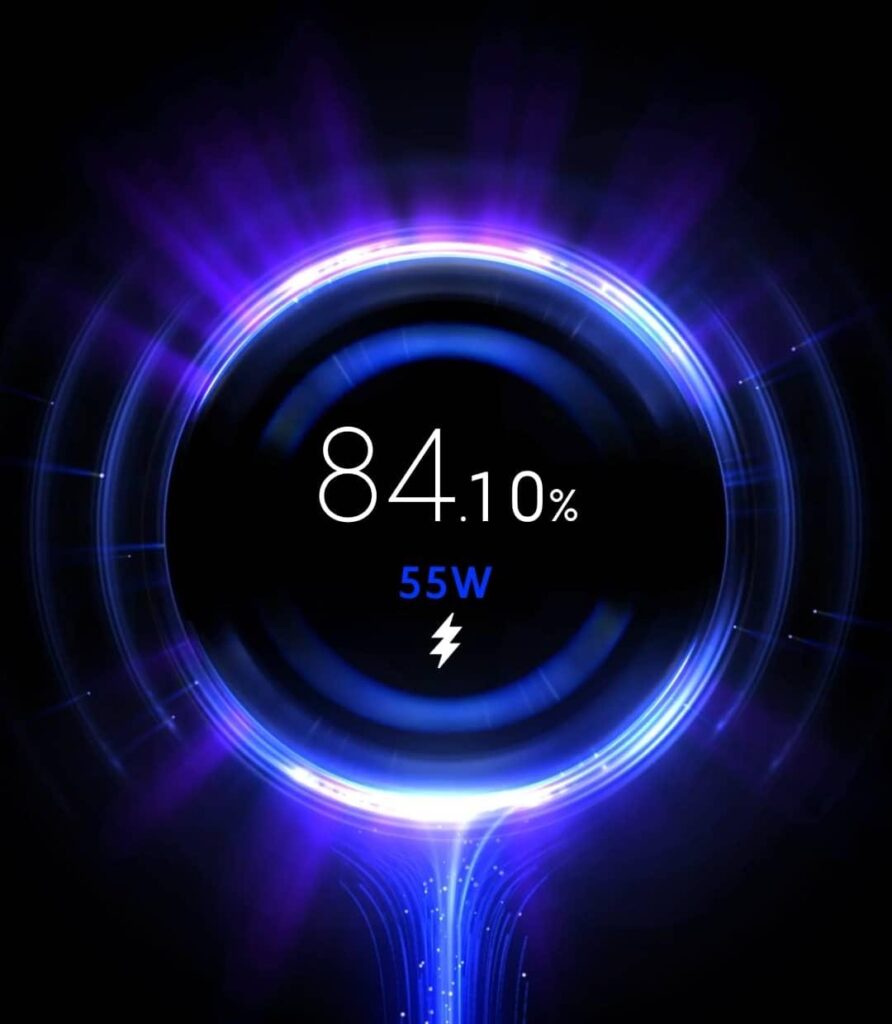
Whether you’re using Samsung Super Fast Charging, OnePlus SUPERVOOC, Xiaomi HyperCharge, or USB Power Delivery, the underlying science remains fascinating. Understanding how it works can also help you protect your battery and extend its lifespan.
In this article, we’ll explore the complete science behind fast charging, how lithium-ion batteries work, different charging technologies, safety mechanisms, myths, and the future of ultra-fast charging.
What Is Fast Charging?
Fast charging is a technology that allows electronic devices to receive more electrical power than traditional charging methods.
Older smartphone chargers commonly delivered:
- 5W charging
- 10W charging
Modern smartphones now support:
- 25W
- 45W
- 65W
- 80W
- 100W
- 120W
- 150W
- 240W
More power means the battery can store energy much faster.
The basic formula is:
Power (Watts) = Voltage (V) × Current (A)
For example:
| Charger | Voltage | Current | Power |
|---|---|---|---|
| Standard Charger | 5V | 2A | 10W |
| Fast Charger | 10V | 4A | 40W |
| Super Fast Charger | 20V | 5A | 100W |
This increase in power delivery is the core principle behind fast charging.
Understanding Lithium-Ion Batteries
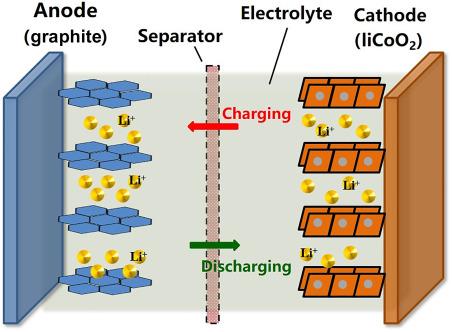
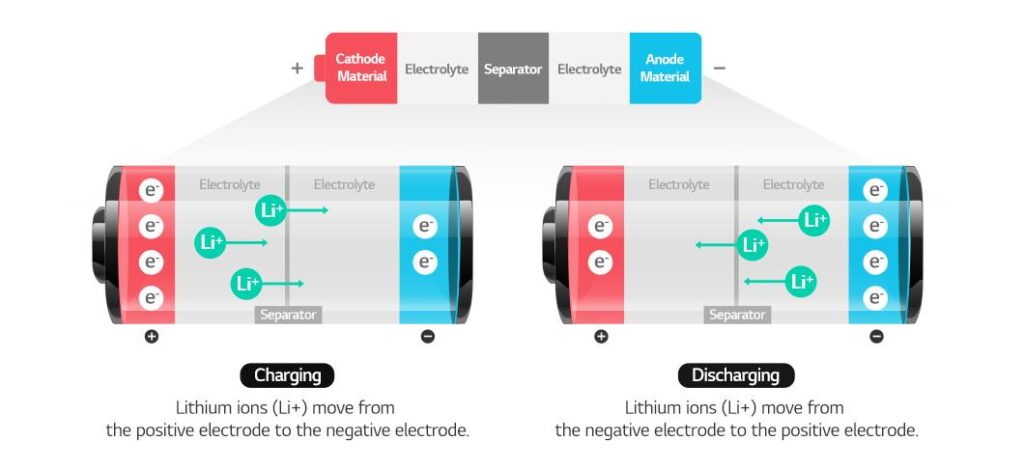
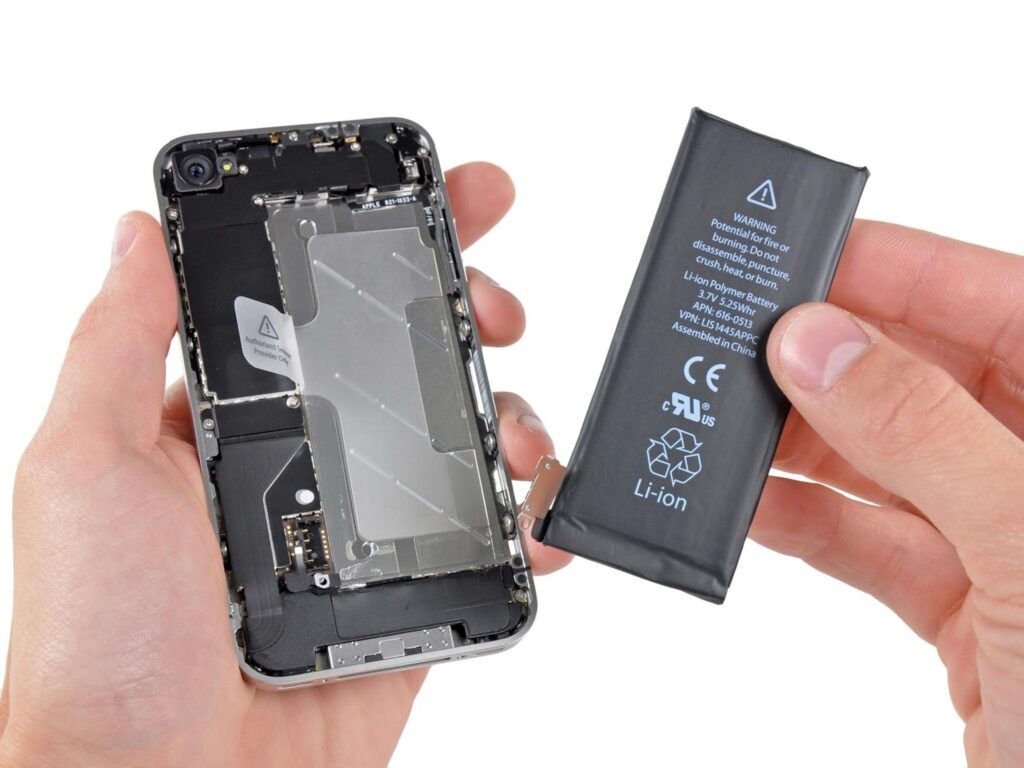
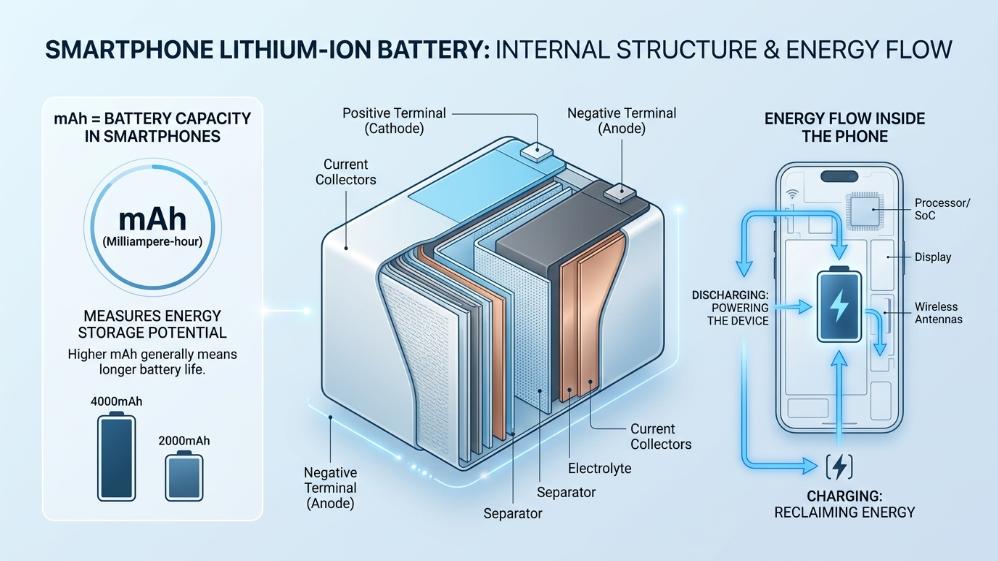
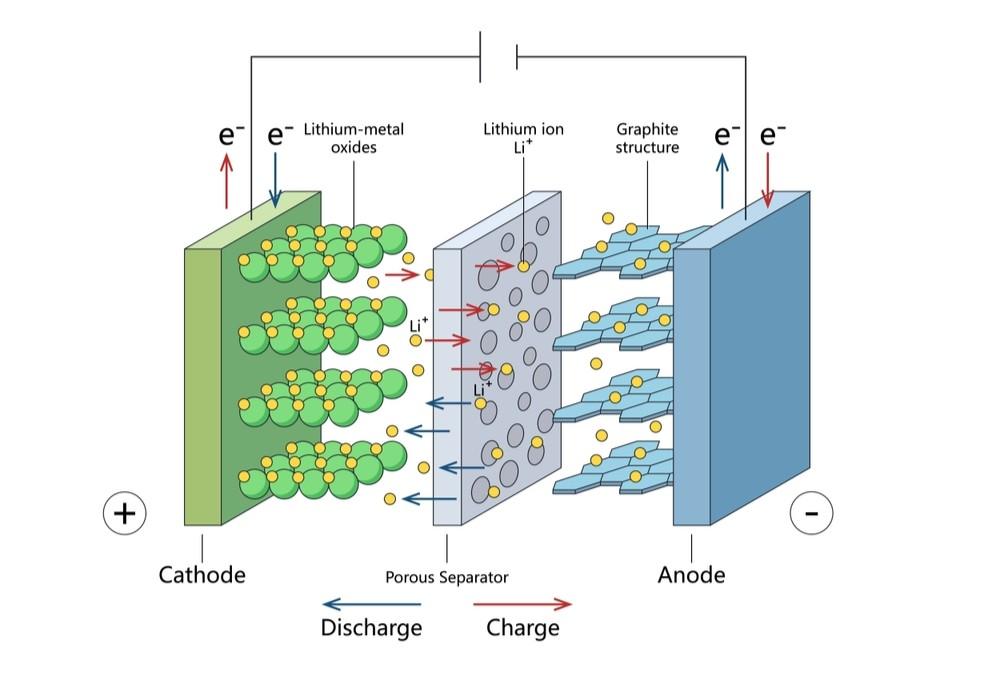
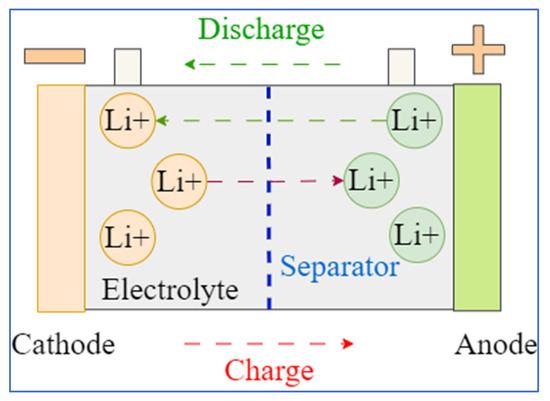
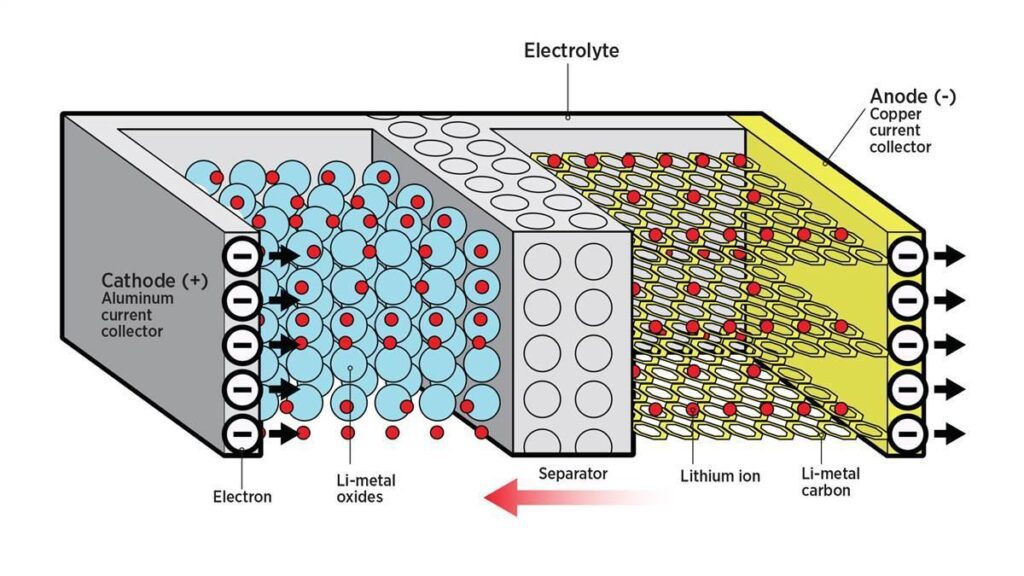
To understand fast charging, we first need to understand lithium-ion batteries.
Almost every smartphone today uses lithium-ion or lithium-polymer batteries.
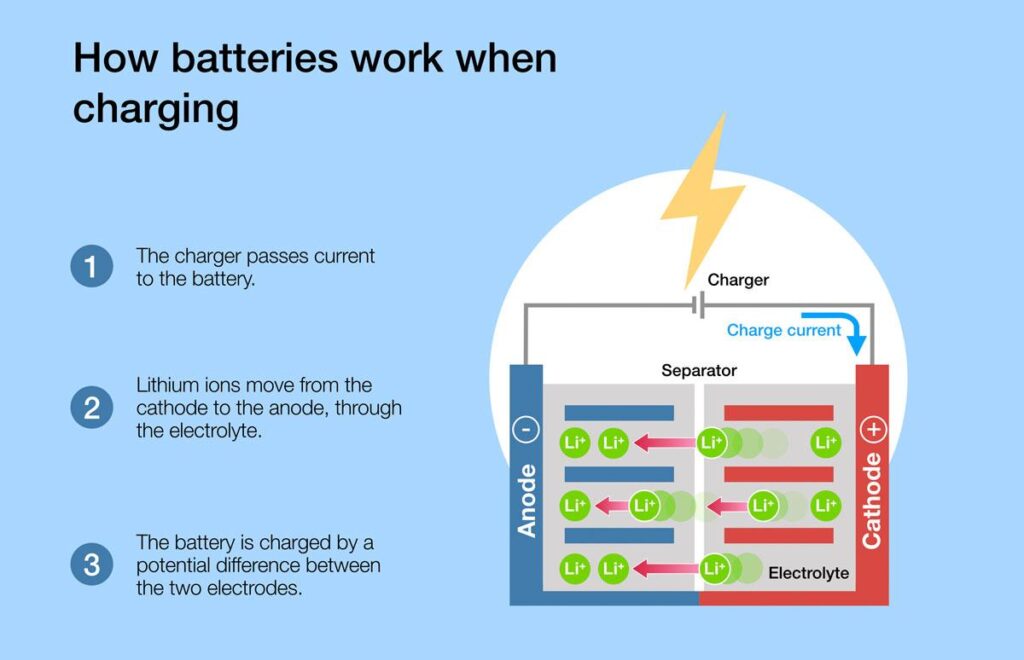
A lithium-ion battery contains:
- Anode
- Cathode
- Electrolyte
- Separator
- Lithium ions
During charging:
- Electrical energy enters the battery.
- Lithium ions move from the cathode to the anode.
- The battery stores that energy chemically.
- During use, the ions move back to generate electricity.
The faster lithium ions can safely move, the faster the battery can charge.
However, moving ions too quickly creates heat, and excessive heat can permanently damage the battery.
This is why fast charging requires intelligent power management.
The Science Behind Fast Charging
The science behind fast charging revolves around delivering maximum power while preventing excessive heat and battery degradation.
Modern smartphones use a charging curve instead of charging at full speed all the time.
Charging happens in three major stages:
Stage 1: Constant Current Phase
This is the fastest part.
When the battery is low:
- The charger sends maximum safe current.
- Battery temperature is continuously monitored.
- Charging speeds remain extremely high.
This is why your phone can jump from 0% to 50% very quickly.
Stage 2: Voltage Stabilization
As the battery reaches around 70%:
- Voltage begins increasing.
- Charging speed gradually slows.
- Heat generation becomes more controlled.
This prevents battery stress.
Stage 3: Trickle Charging
When the battery reaches approximately 80–100%:
- Charging current significantly decreases.
- The battery receives only small amounts of power.
- This protects battery health.
That’s why the last 10–20% often takes longer than the first 50%.
Why Heat Is the Biggest Enemy
Heat is the primary reason battery health declines.
Excessive temperatures can:
- Damage battery chemistry.
- Reduce charging efficiency.
- Accelerate capacity loss.
- Shorten battery lifespan.
- Cause swelling in severe cases.
Most smartphone manufacturers aim to keep battery temperatures within safe operating limits during fast charging.
Modern devices contain:
- Temperature sensors
- Battery management chips
- Voltage controllers
- Thermal protection systems
- Intelligent charging software
If temperatures rise too high, charging speed automatically decreases.
USB Power Delivery (USB-PD)
USB Power Delivery is one of the most widely used charging standards.
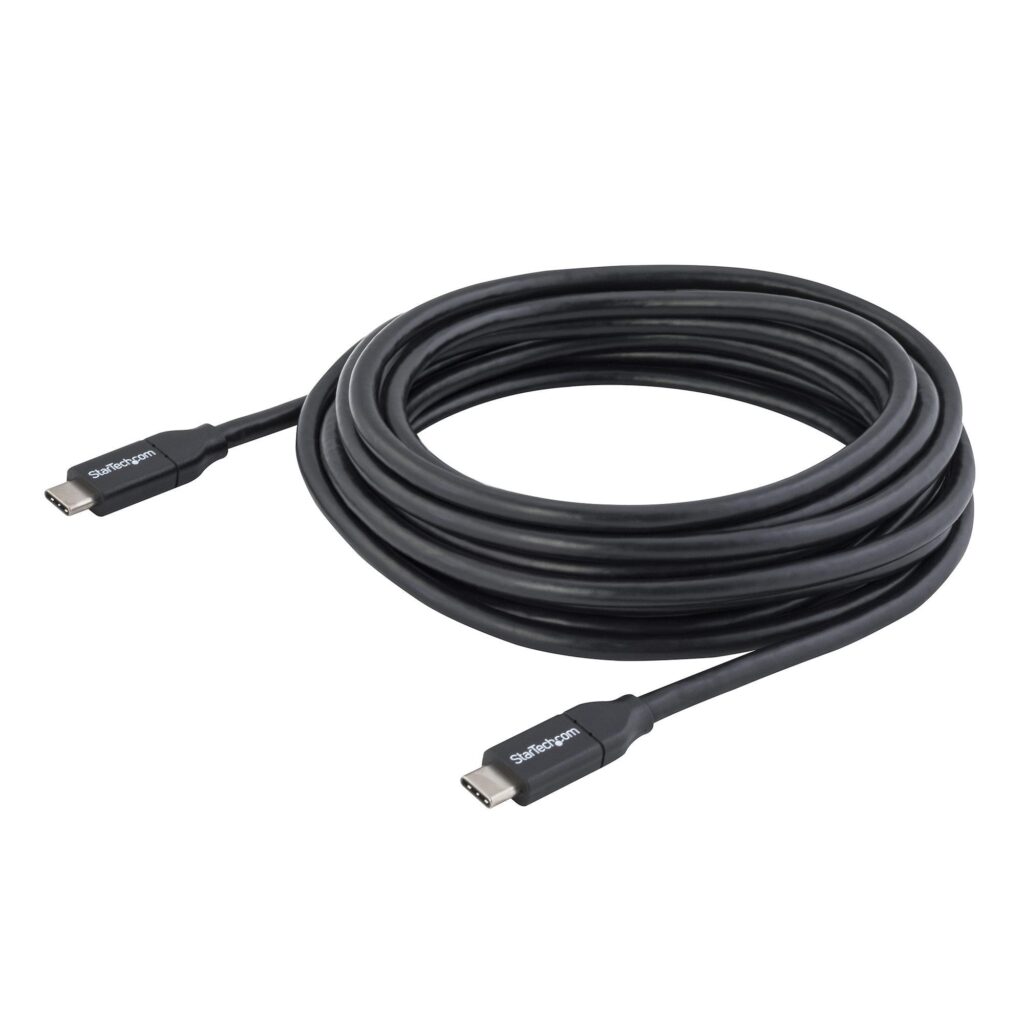
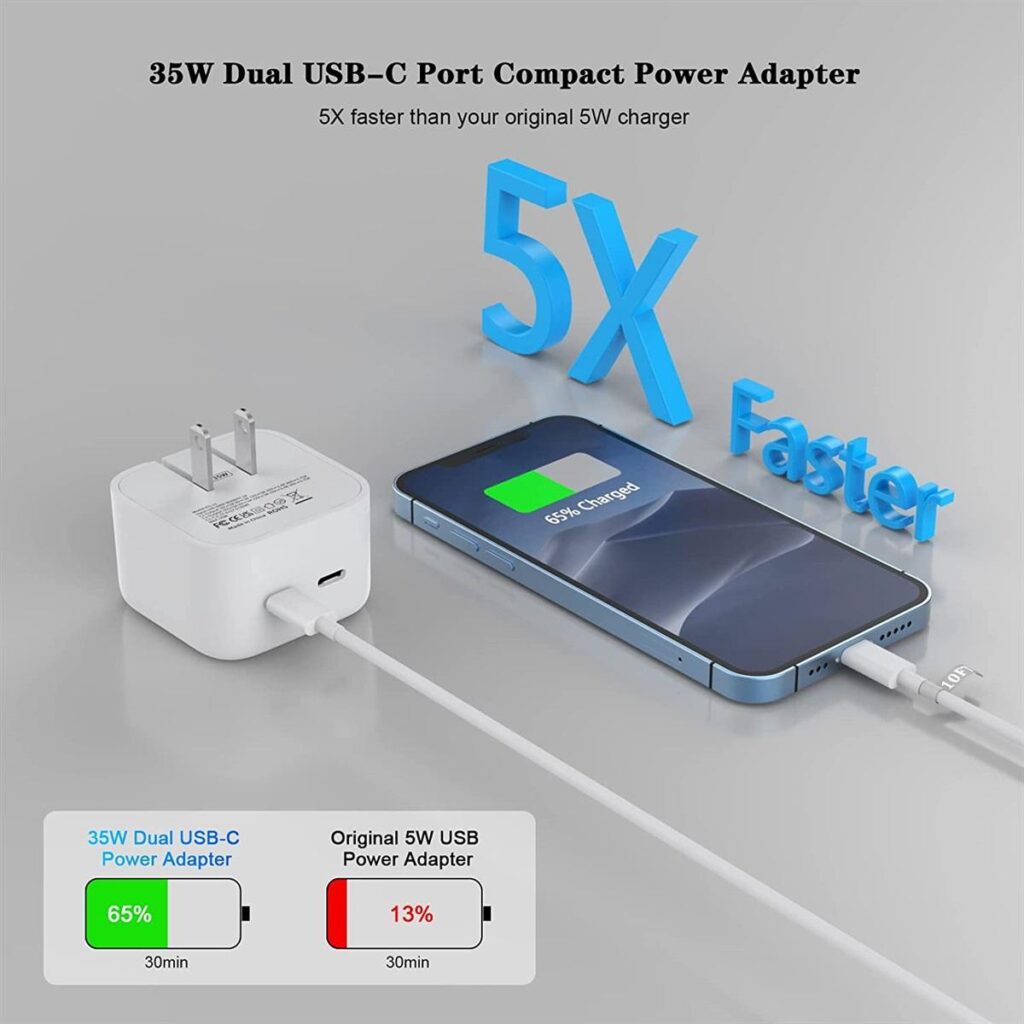
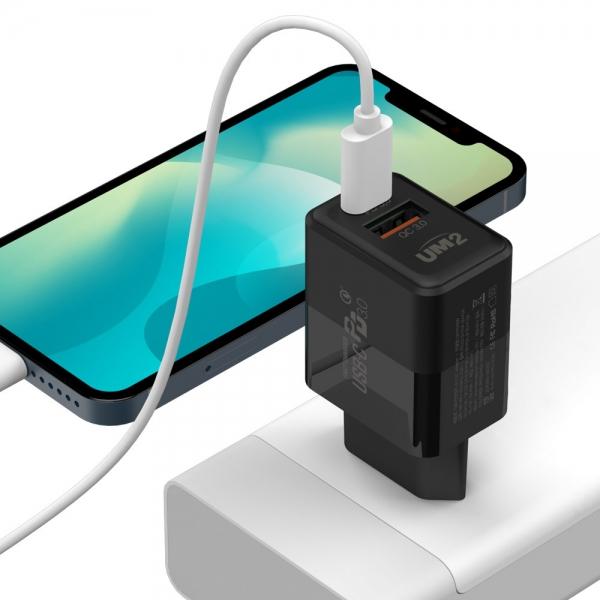
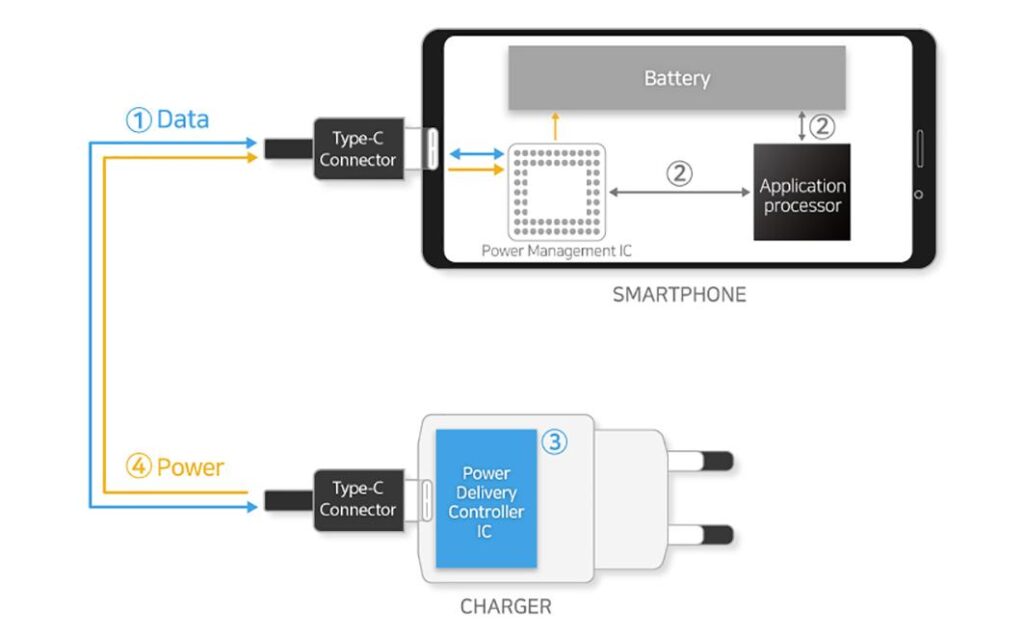
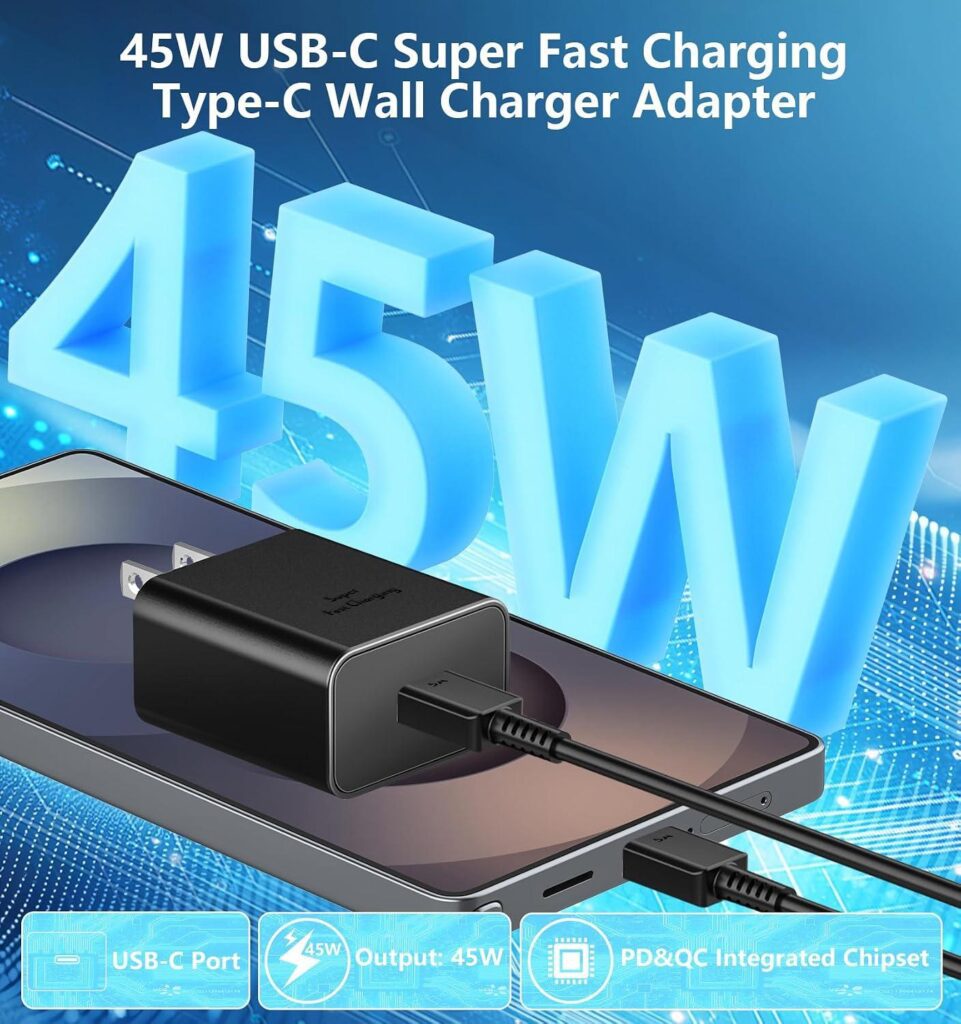
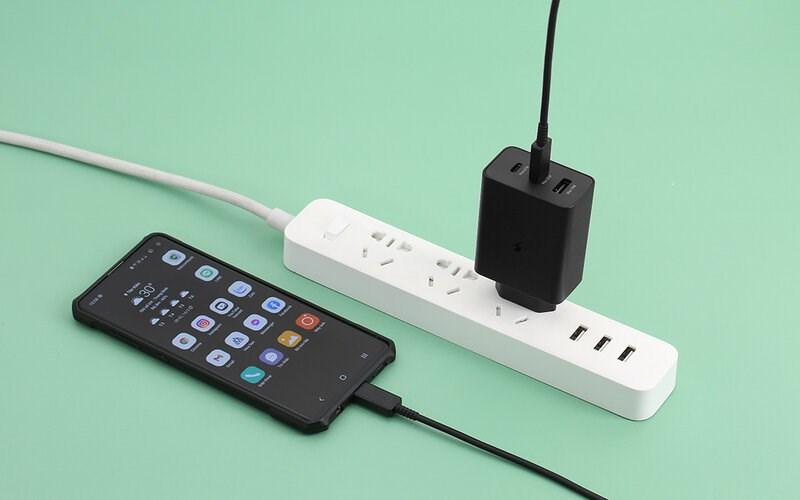
USB-PD allows devices to communicate with chargers.
Before sending higher power:
- Charger identifies the device.
- Device requests a specific voltage.
- Charger confirms support.
- Charging begins safely.
This communication prevents dangerous over-voltage situations.
Many modern devices including smartphones, tablets, laptops, handheld gaming devices, and accessories use USB-PD.
Different Fast Charging Technologies
Qualcomm Quick Charge
Quick Charge dynamically increases voltage to deliver more power while maintaining safety.
Common versions include:
- Quick Charge 3.0
- Quick Charge 4+
- Quick Charge 5
Quick Charge 5 supports extremely high charging speeds compared to earlier generations.
Samsung Super Fast Charging
Samsung uses USB Power Delivery combined with PPS (Programmable Power Supply).
PPS continuously adjusts voltage and current to reduce heat while maximizing efficiency.
This allows smoother and safer charging.
OnePlus SUPERVOOC
SUPERVOOC uses higher current instead of extremely high voltage.
It also moves much of the heat generation into the charging adapter rather than the smartphone.
This keeps device temperatures lower during charging.
Xiaomi HyperCharge
Xiaomi uses advanced battery architecture, dual-cell designs, and intelligent thermal systems to achieve incredibly high charging speeds.
Some flagship phones can charge from nearly empty to full in under 20 minutes.
What Is Dual-Cell Battery Technology?
Many ultra-fast charging phones use two battery cells instead of one.
Example:
Instead of:
- One 5000mAh battery
Manufacturers use:
- Two 2500mAh batteries
Both cells charge simultaneously.
This reduces stress on individual cells while increasing charging speed.
Dual-cell designs are a major reason why modern 100W+ charging is possible.
Does Fast Charging Damage Your Battery?
This is one of the biggest misconceptions.
Fast charging itself does not automatically damage batteries.
What actually causes degradation is:
- Heat
- High charging temperatures
- Constant charging to 100%
- Leaving batteries at 0% for long periods
- Frequent exposure to extreme temperatures
Manufacturers design batteries specifically for their supported charging speeds.
Using the official charger is generally safe.
However, poor-quality third-party chargers can be risky.
Common Fast Charging Myths
Myth 1: Fast Charging Explodes Batteries
Modern smartphones include:
- Thermal protection
- Voltage regulation
- Overcurrent protection
- Battery monitoring
- Smart charging chips
Battery explosions are extremely rare and usually involve damaged hardware or defective batteries.
Myth 2: Charging Overnight Always Damages Batteries
Modern phones stop charging once they reach full capacity.
Many devices also use optimized charging to delay reaching 100% until just before you wake up.
Myth 3: Using Your Phone While Charging Is Dangerous
Normal usage is usually safe.
However, heavy gaming while fast charging can increase heat, which may affect long-term battery health.
Tips to Maintain Battery Health
To maximize battery lifespan:
Avoid Excessive Heat
Heat is more harmful than fast charging itself.
Remove Thick Cases During Charging
This can improve heat dissipation.
Use Certified Chargers
Official or certified chargers are safer.
Keep Battery Between 20% and 80%
Frequent full cycles can increase long-term wear.
Avoid Charging Under Direct Sunlight
High temperatures accelerate battery degradation.
The Future of Fast Charging
Researchers are currently developing:
- Silicon-carbon batteries
- Solid-state batteries
- Graphene batteries
- Improved lithium-ion chemistry
- Smarter AI charging algorithms
Future smartphones may charge completely in under 10 minutes while maintaining excellent battery health.
The challenge is no longer just charging speed; it’s balancing speed, safety, efficiency, and longevity.
Final Thoughts
The science behind fast charging is far more complex than simply increasing electricity. Modern smartphones rely on sophisticated battery chemistry, intelligent charging algorithms, thermal management systems, and advanced hardware to safely deliver incredible charging speeds.
Fast charging has transformed the way we use our devices. Instead of waiting hours for a full charge, a few minutes connected to a charger can provide enough power for an entire day.
As battery technology continues to evolve, we may soon enter an era where charging your phone becomes as quick and effortless as filling a glass of water.
Frequently Asked Questions (FAQ)
Is fast charging safe?
Yes. Modern smartphones include multiple safety systems to ensure safe charging.
Does charging overnight damage batteries?
Generally no. Most smartphones automatically stop charging when full.
Which is better: high voltage or high current charging?
Both methods can be effective. Manufacturers choose the approach that best balances efficiency, heat, and battery longevity.
Why does charging slow down after 80%?
Charging slows to reduce heat and protect battery health.
Can any USB-C charger fast charge my phone?
Not always. Both the charger and the phone must support the same fast charging standard.