
Why Gaming Features Developers Removed Before Launch Matter
The history of Gaming Features Developers Removed Before Launch is filled with fascinating stories. From advanced AI systems to fully destructible environments, developers have removed countless ideas before release to deliver a more polished gaming experience.
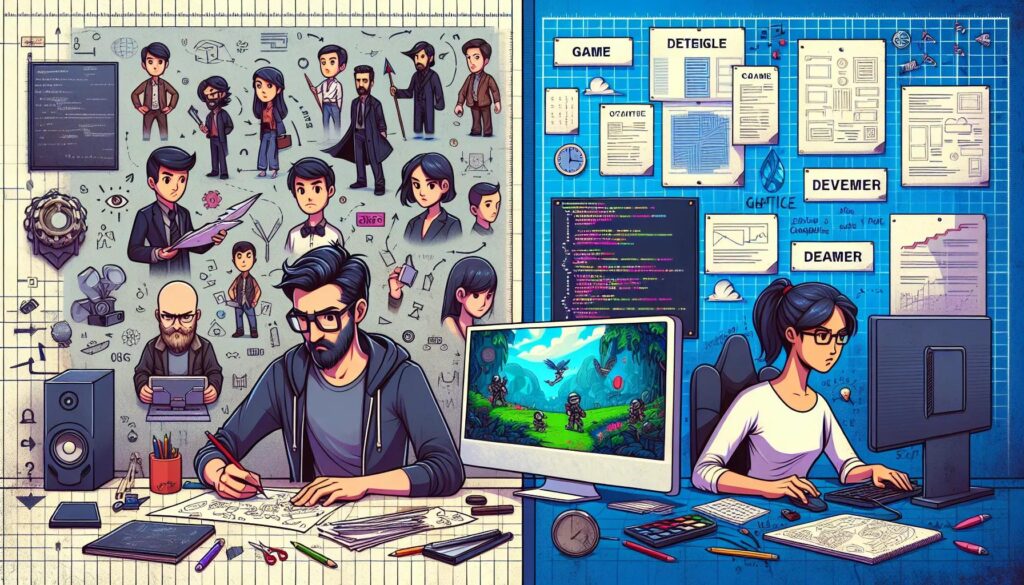

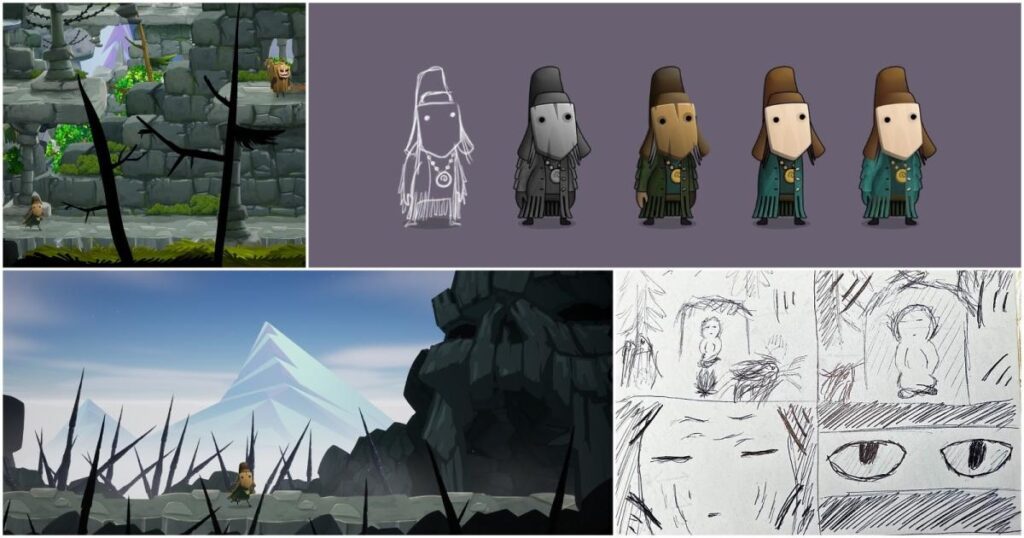
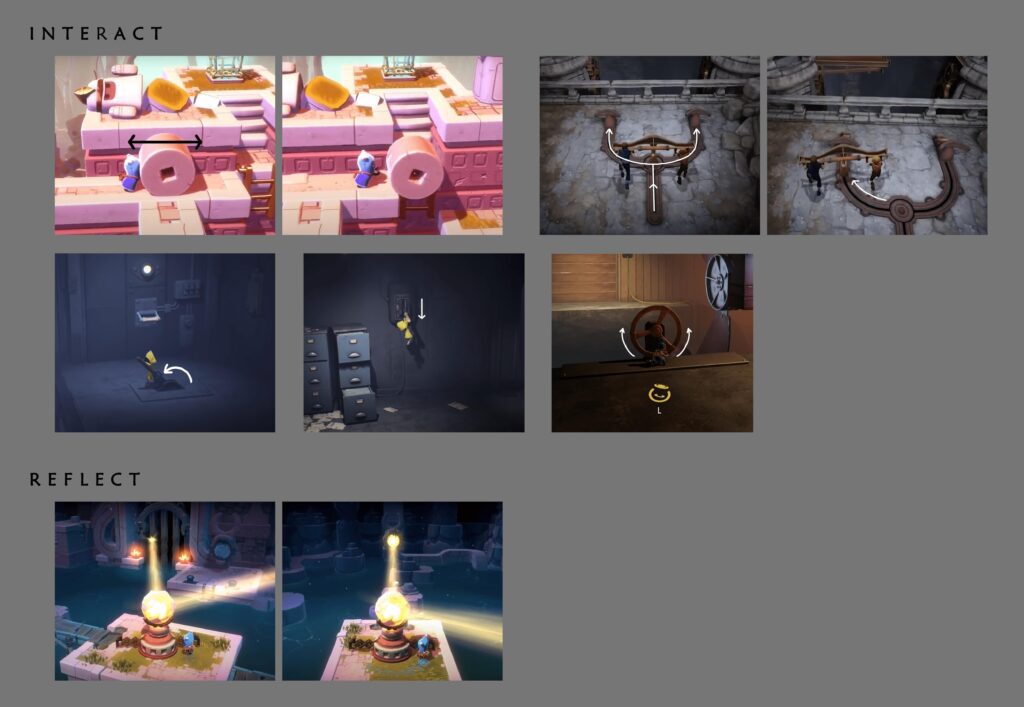
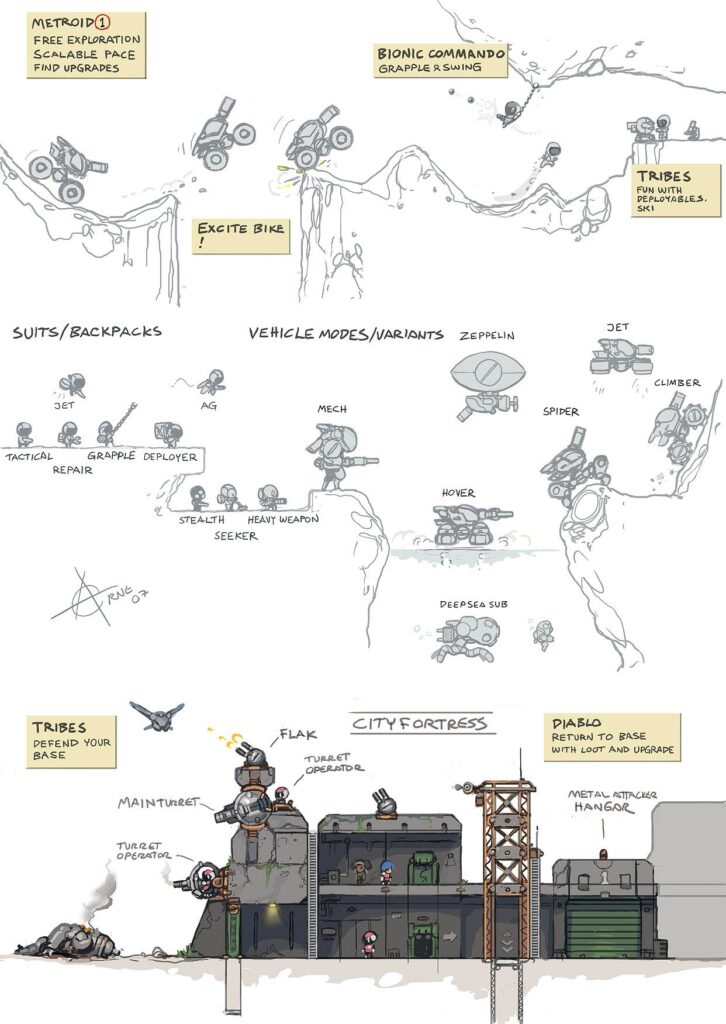
The gaming industry is full of incredible ideas that never reach players. During development, studios often create ambitious mechanics, characters, levels, and gameplay systems that seem revolutionary. However, as deadlines approach, developers are forced to remove many of these features before launch.
Whether due to technical limitations, budget constraints, balance issues, or changing creative direction, countless gaming features disappear before release. Some are later restored through downloadable content (DLC) or sequels, while others remain hidden forever inside unfinished game files.
In this article, we’ll explore some of the most fascinating Gaming Features Developers Removed Before Launch, why they were removed, and what gamers can learn about modern game development.
Why Do Developers Remove Features?
Many gamers believe removed content means laziness or rushed development. In reality, cutting features is a normal part of professional game development.
Understanding Gaming Features Developers Removed Before Launch helps players appreciate the difficult decisions developers make. Cutting unfinished mechanics often improves game performance, stability, and overall quality.
Common reasons include:
- Performance limitations
- Hardware restrictions
- Development deadlines
- Game balance issues
- Story changes
- Multiplayer compatibility
- Budget constraints
- Quality assurance failures
Sometimes removing one feature actually improves the overall gaming experience.
1. Dynamic Weather That Changed Gameplay
One of the most impressive Gaming Features Developers Removed Before Launch was dynamic weather that could completely change gameplay. Although many studios experimented with these systems, technical limitations forced them to simplify or remove the feature.
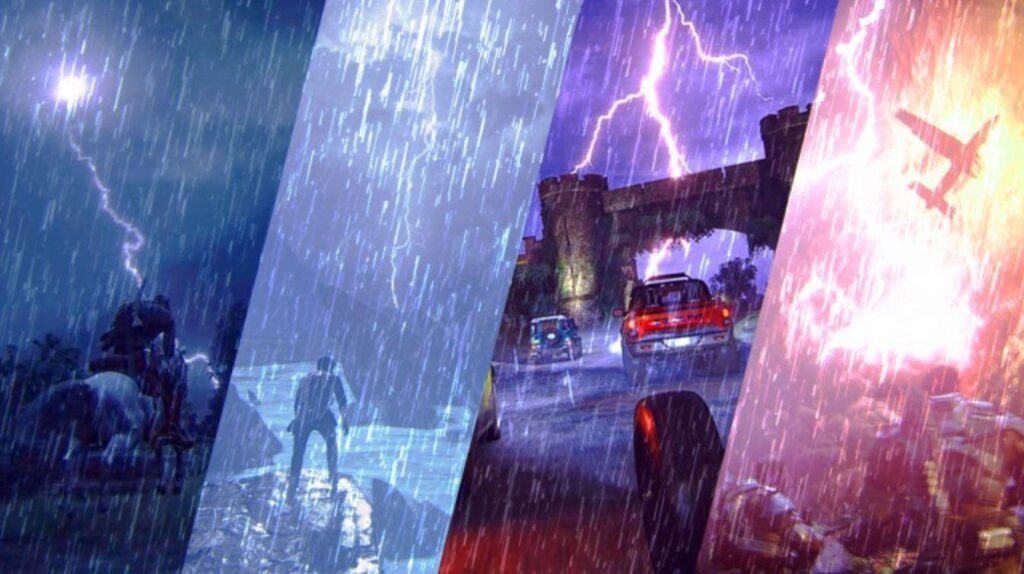
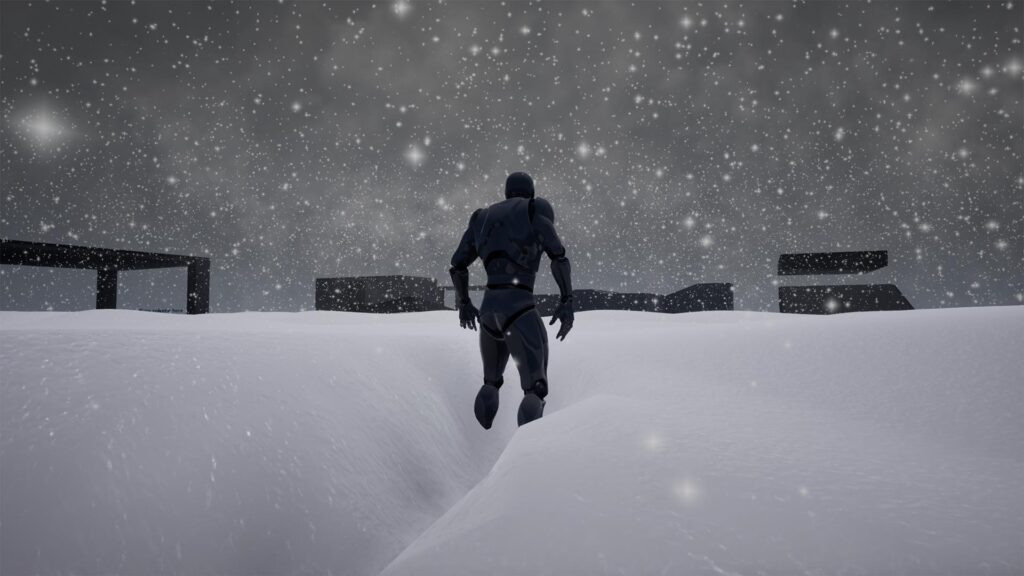
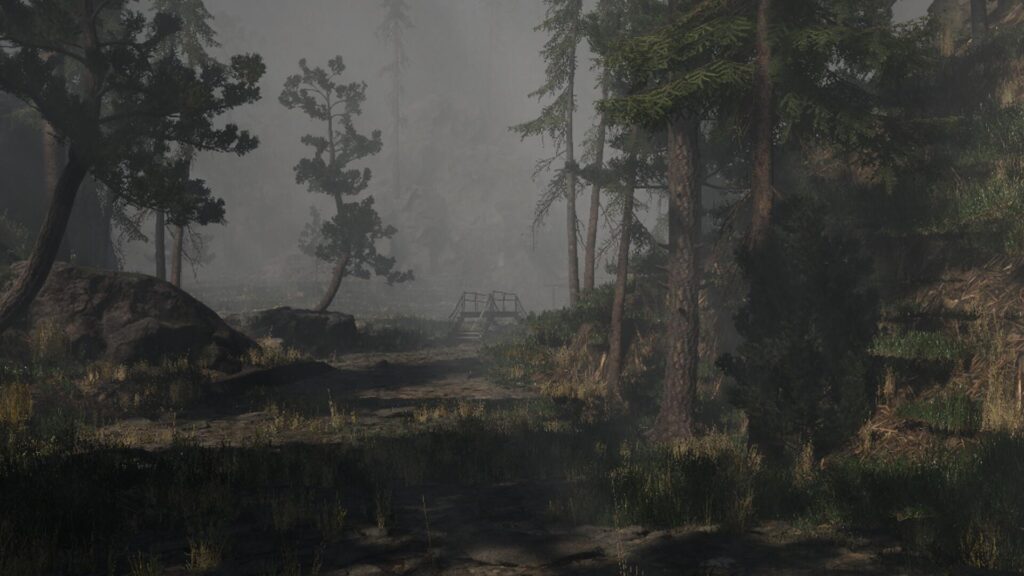

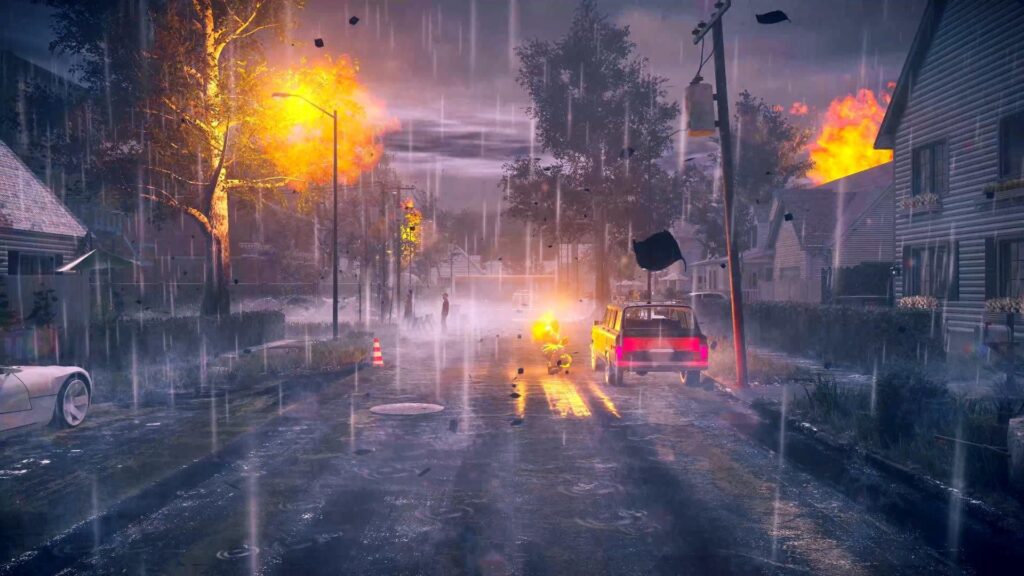
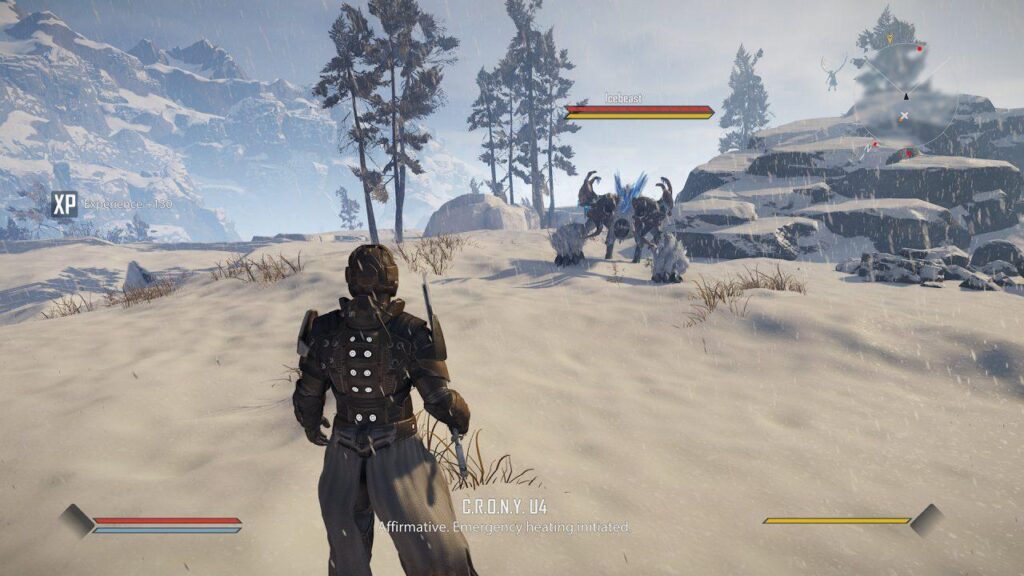
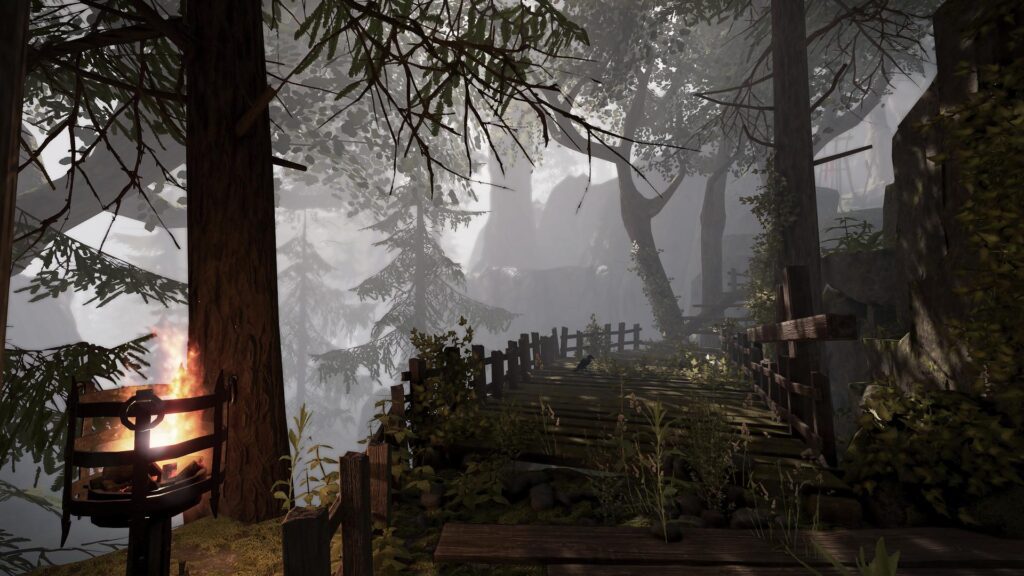
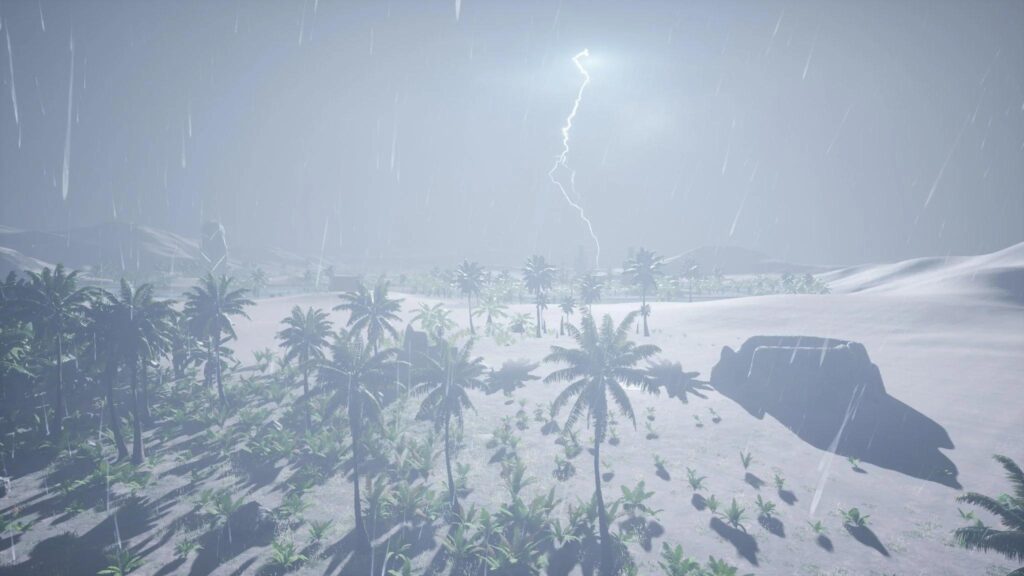
Many developers originally planned advanced weather systems where rain, snow, wind, and storms would directly affect gameplay.
Examples included:
- Wet roads changing driving physics
- Heavy rain reducing enemy vision
- Wind affecting arrows
- Snow leaving footprints
Unfortunately, these systems required enormous processing power, especially on older consoles.
Some modern games now include simplified versions.
2. Massive Open Worlds
Early prototypes often feature maps much larger than the final game.
Developers eventually shrink them because:
- Players spend too much time traveling
- Empty environments become boring
- Memory limitations
- Longer loading times
Smaller worlds usually provide better pacing and higher-quality exploration.
3. Fully Destructible Cities
Imagine destroying every building in a game.
Many studios experimented with this idea.
Problems included:
- Huge CPU usage
- Physics calculations
- Multiplayer synchronization
- Memory storage
Instead, developers often allow destruction only in selected areas.
4. Advanced NPC Artificial Intelligence
Among the most discussed Gaming Features Developers Removed Before Launch are intelligent NPC systems. Developers originally envisioned enemies and civilians that could learn from player actions, but these ambitious ideas were often too complex for release.
Developers frequently prototype NPCs that:
- Remember every player action
- Form relationships
- Learn new behaviors
- Create unique daily routines
These ambitious AI systems often proved too unpredictable.
Simplified AI made games easier to balance and test.
5. Hundreds of Customizable Weapons
Early development builds sometimes include hundreds of weapon combinations.
Later these are reduced because:
- Balancing becomes impossible
- Animation costs increase
- User interfaces become cluttered
- Testing requires thousands of additional hours
Quality generally beats quantity.
6. Real-Time Character Aging
Some role-playing games originally planned realistic aging systems.
Players would:
- Grow older
- Lose physical strength
- Gain wisdom
- Change appearance naturally
The feature created major story complications and was removed.
7. Complex Survival Mechanics
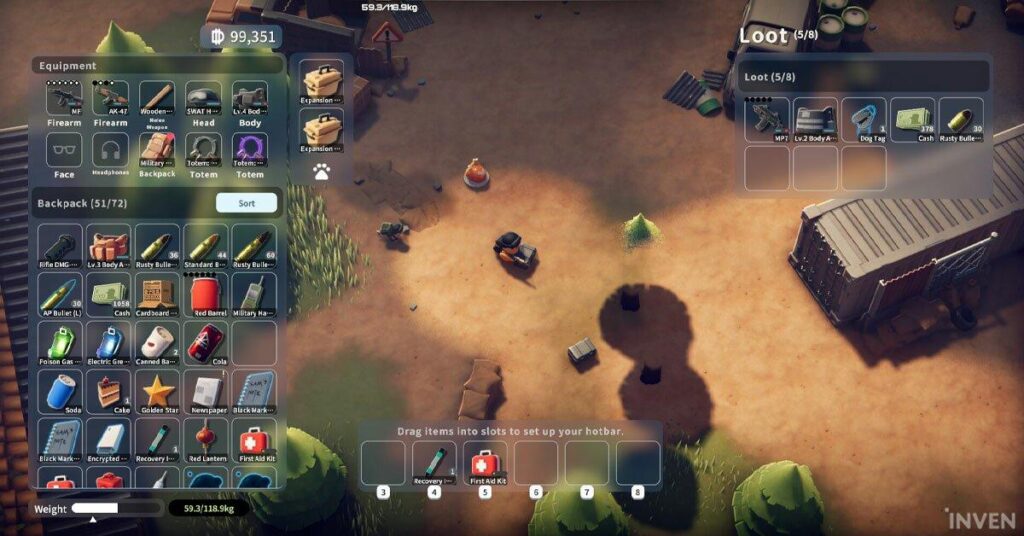
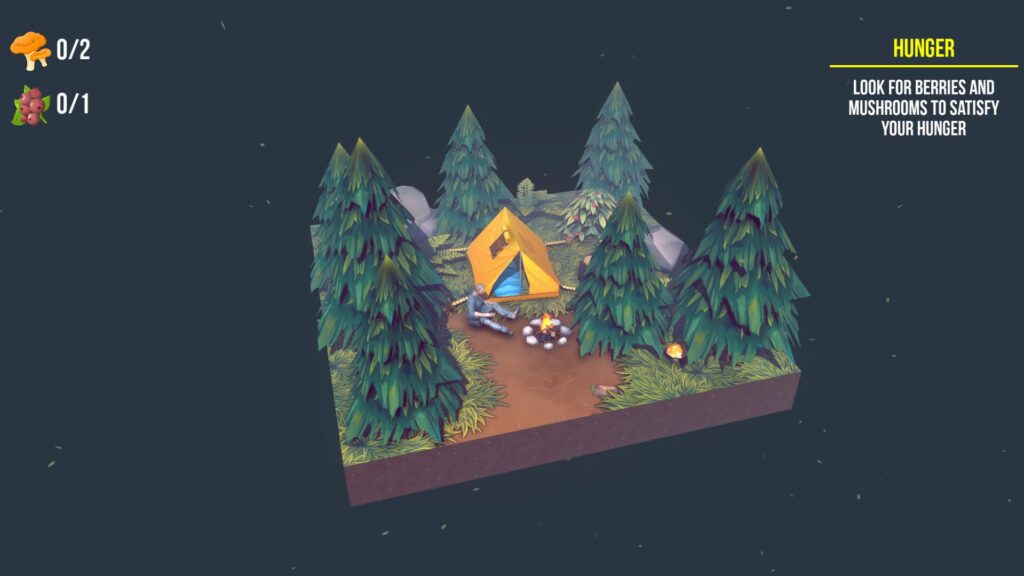
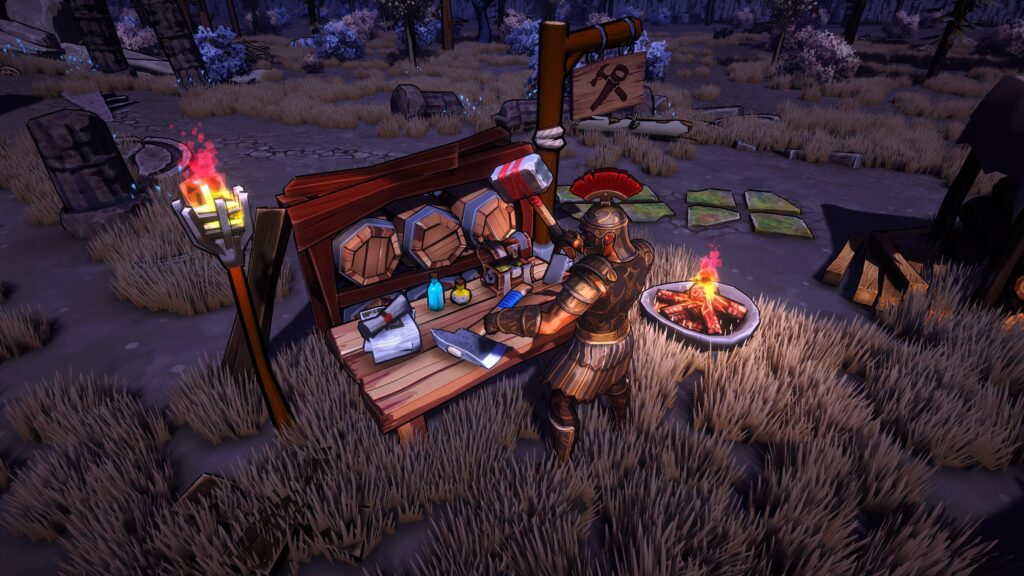
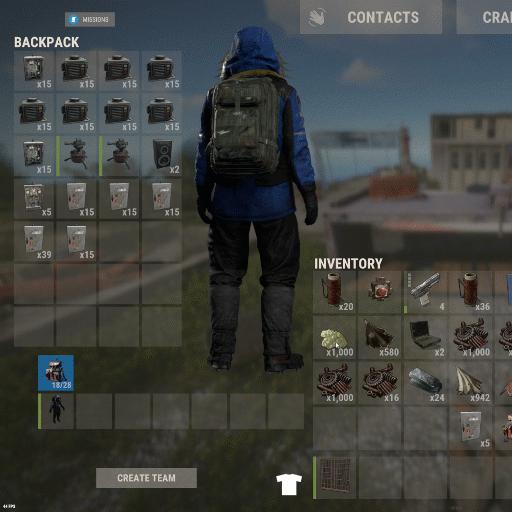
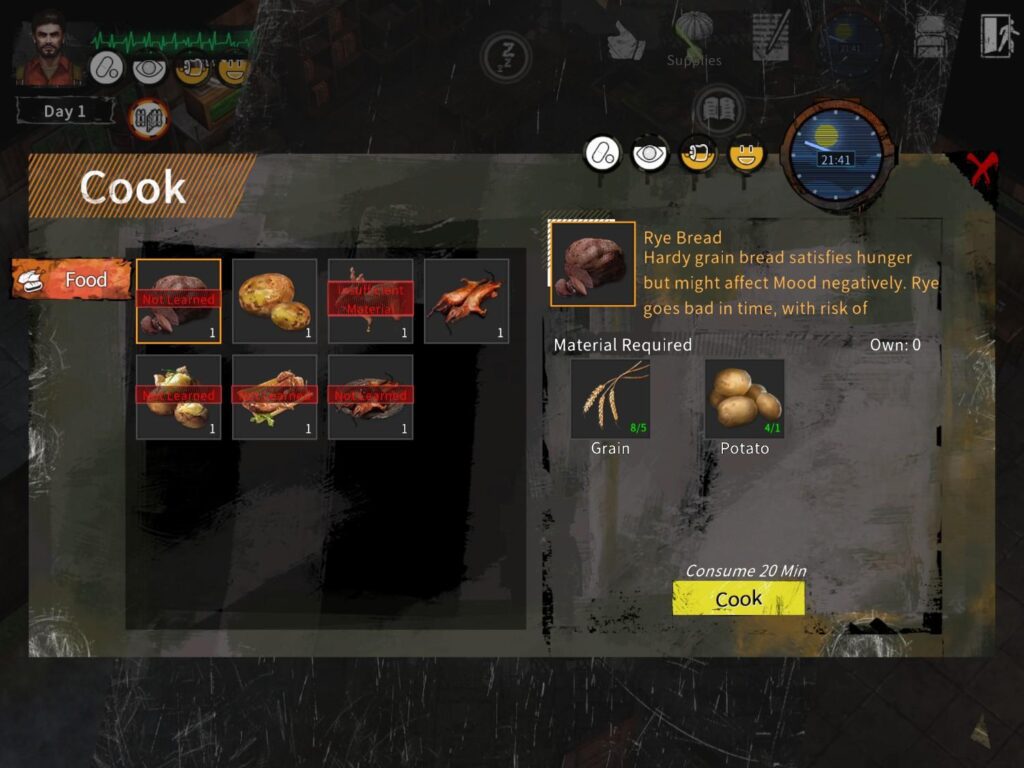
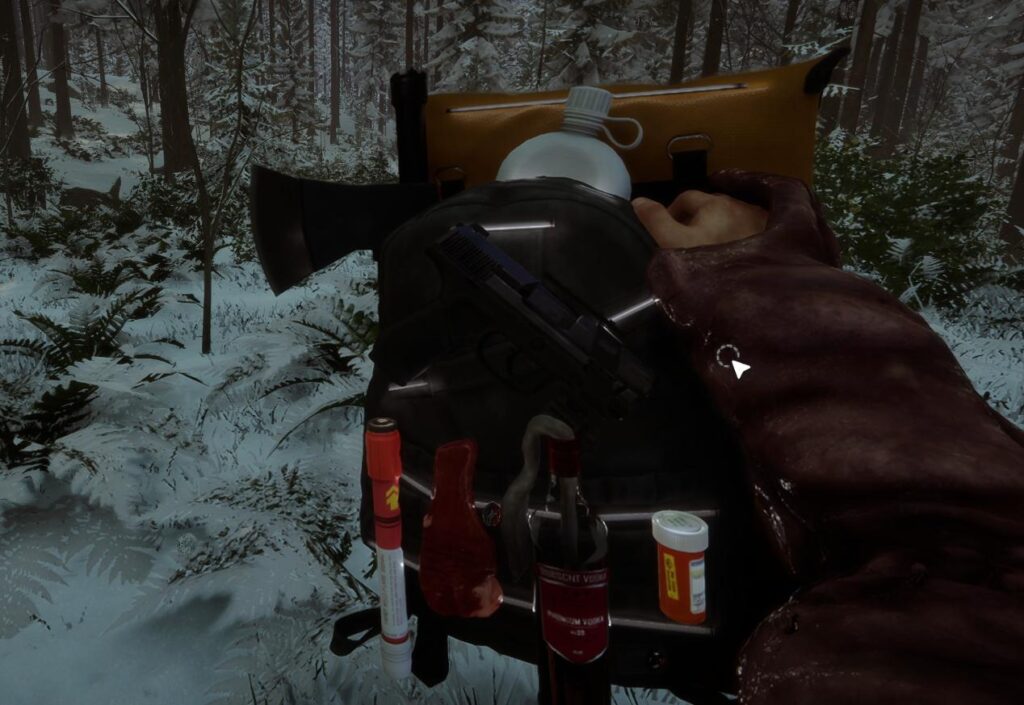
Many action games originally included:
- Hunger
- Thirst
- Disease
- Body temperature
- Fatigue
- Food spoilage
Developers later simplified these mechanics because casual players found them frustrating.
8. Parkour Everywhere
Some open-world games initially allowed climbing nearly every building.
Developers removed unrestricted parkour because:
- Animation bugs
- Broken quests
- Sequence skipping
- Performance issues
Modern games instead designate climbable surfaces.
9. Player-Created Kingdoms
Strategy and RPG developers experimented with allowing players to build entire kingdoms.
Features included:
- Economy
- Politics
- Diplomacy
- Tax systems
- Military management
The feature often overshadowed the main story and dramatically increased development complexity.
10. Space Exploration in Non-Space Games
Several fantasy and adventure games considered adding secret planets or outer-space missions.
These ideas were abandoned because:
- They didn’t fit the story.
- They required entirely new gameplay mechanics.
- Development costs increased significantly.
11. Intelligent Enemy Communication
Early enemy AI could reportedly:
- Share player locations
- Call reinforcements
- Set traps
- Coordinate attacks
While exciting, these systems often became frustratingly difficult.
Developers simplified communication to create fair gameplay.
12. Fully Interactive Interiors
One of the most common removed features involves entering every building in a city.
Originally developers planned:
- Every house accessible
- Hundreds of NPC families
- Real furniture interaction
- Dynamic schedules
Hardware limitations forced developers to make only important buildings accessible.
Why Cutting Features Can Improve Games
Removing content isn’t always a bad decision.
Benefits include:
- Better performance
- Faster loading
- Improved stability
- Fewer bugs
- Better storytelling
- Cleaner gameplay
- Easier balancing
Many award-winning games became successful because developers focused on quality instead of quantity.
How Developers Decide What to Remove
Studios constantly evaluate every feature by asking:
- Does it improve gameplay?
- Is it fun?
- Can it be finished on time?
- Is it technically stable?
- Does it fit the story?
- Will players actually use it?
If the answer is “no” to several of these questions, the feature is often removed.
Can Removed Features Return?
Absolutely.
Many ideas return in:
- Game sequels
- Expansion packs
- DLC
- Remastered editions
- Community mods
Sometimes technology simply needs time to catch up.
The Future of Game Development
Modern hardware, faster SSDs, AI-assisted development, and more powerful game engines allow developers to revisit ideas that were once impossible.
Future games may finally include:
- Truly intelligent NPCs
- Entirely destructible cities
- Dynamic economies
- Unlimited exploration
- Realistic ecosystems
- Persistent player choices
These innovations could redefine gaming over the next decade.
Conclusion
The history of gaming is filled with incredible concepts that never reached players. From advanced AI and realistic weather to fully destructible environments and living cities, many Gaming Features Developers Removed Before Launch were simply ahead of their time.
While it can be disappointing to learn about cut content, these decisions often result in better, more polished games. As technology continues to evolve, many of these once-impossible features may eventually become standard in future releases.
For gamers, understanding the development process provides a new appreciation for the creativity and difficult decisions behind every successful game.
Frequently Asked Questions (FAQ)
Why do game developers remove features before launch?
Developers remove features because of technical limitations, performance concerns, budget constraints, scheduling deadlines, game balance, or changes in creative direction.
Are removed features ever added back later?
Yes. Some removed features return through downloadable content (DLC), updates, remastered editions, or sequels.
Does removing features mean a game was rushed?
Not necessarily. Feature cuts are a normal part of game development and often help improve stability, pacing, and overall quality.
Can players access removed content?
Sometimes. Data miners and modding communities occasionally discover unused assets, dialogue, or mechanics hidden in game files, though they are usually unfinished.
Will future games include these removed ideas?
As hardware and game engines become more powerful, features like advanced AI, fully destructible environments, and dynamic worlds are becoming increasingly feasible.
Been playing here for a few months and the withdrawal speed is honestly impressive. The welcome bonus loaded right into my account and the game selection covers all my favorites. Customer support stays online late which is a huge plus for us night owls. Definitely my go to spot now. phbonus365
Trying my luck with 77vip tonight. Wish me luck!. Check it out 77vip.
Good luck