
Star Wars Technology
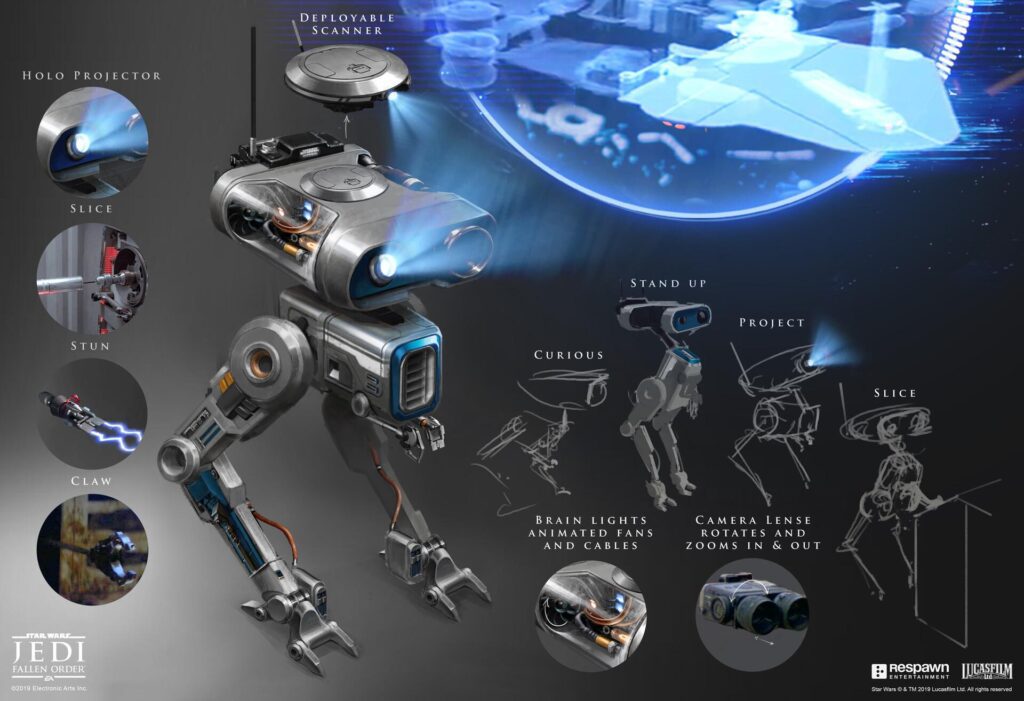
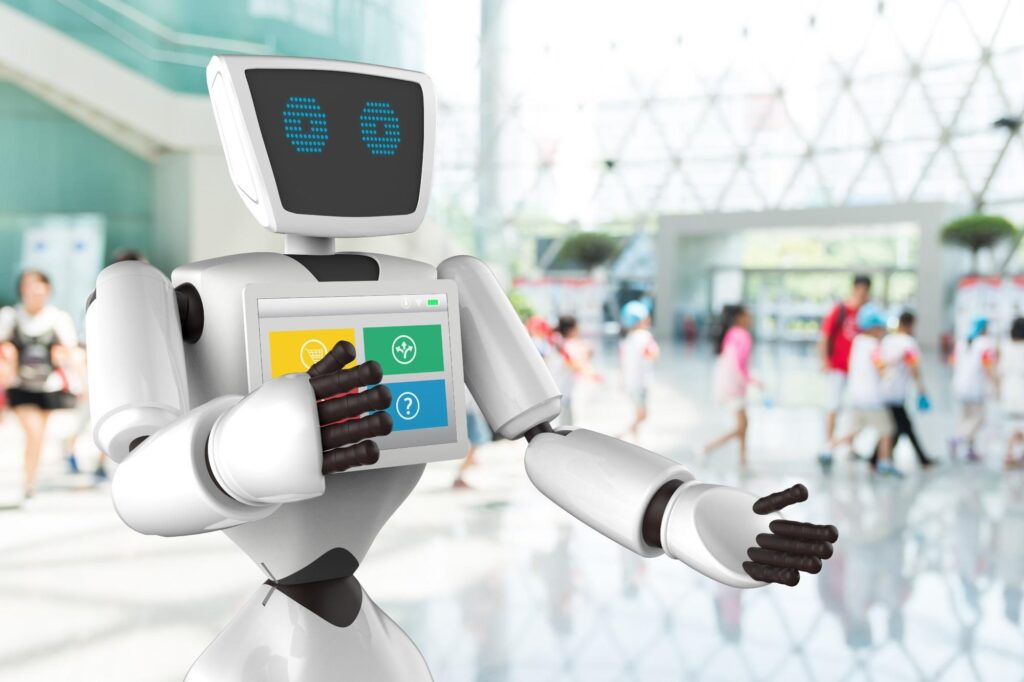
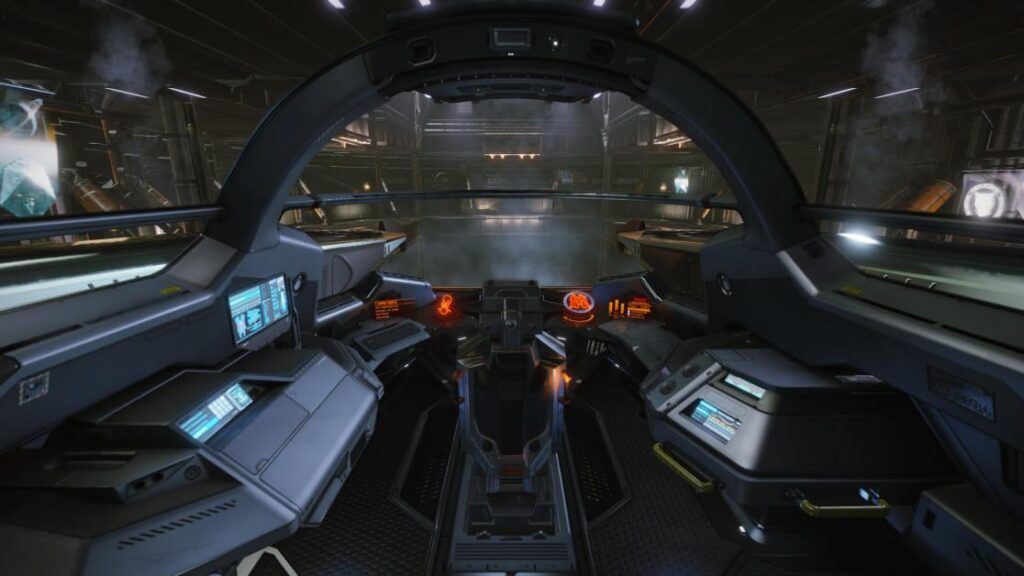
For nearly five decades, Star Wars has amazed audiences with futuristic gadgets, intelligent robots, advanced spacecraft, and extraordinary weapons. While many technologies in the Star Wars universe remain fictional, several concepts have inspired real-world scientists, engineers, and technology companies.
From AI-powered assistants resembling C-3PO to robotic vacuum cleaners inspired by R2-D2 and research into holographic communication, the influence of Star Wars extends far beyond movies. Engineers often cite science fiction as a source of inspiration for solving real engineering challenges.
This article explores the science behind Star Wars technology, explains which inventions already exist, which remain impossible with current science, and how today’s innovations are bringing us closer to the future imagined in a galaxy far, far away.
Why Star Wars Technology Matters
Science fiction often predicts future technological trends by encouraging creative thinking. While Star Wars was created for entertainment, many of its ideas anticipated technologies that are now part of everyday life.
Examples include:
- Artificial intelligence
- Voice-controlled assistants
- Autonomous robots
- Space exploration
- Augmented reality
- Advanced prosthetics
- Drone technology
- Touchscreen interfaces
Many modern innovations were influenced by imaginative science-fiction concepts rather than direct scientific discoveries.
1. Intelligent Droids
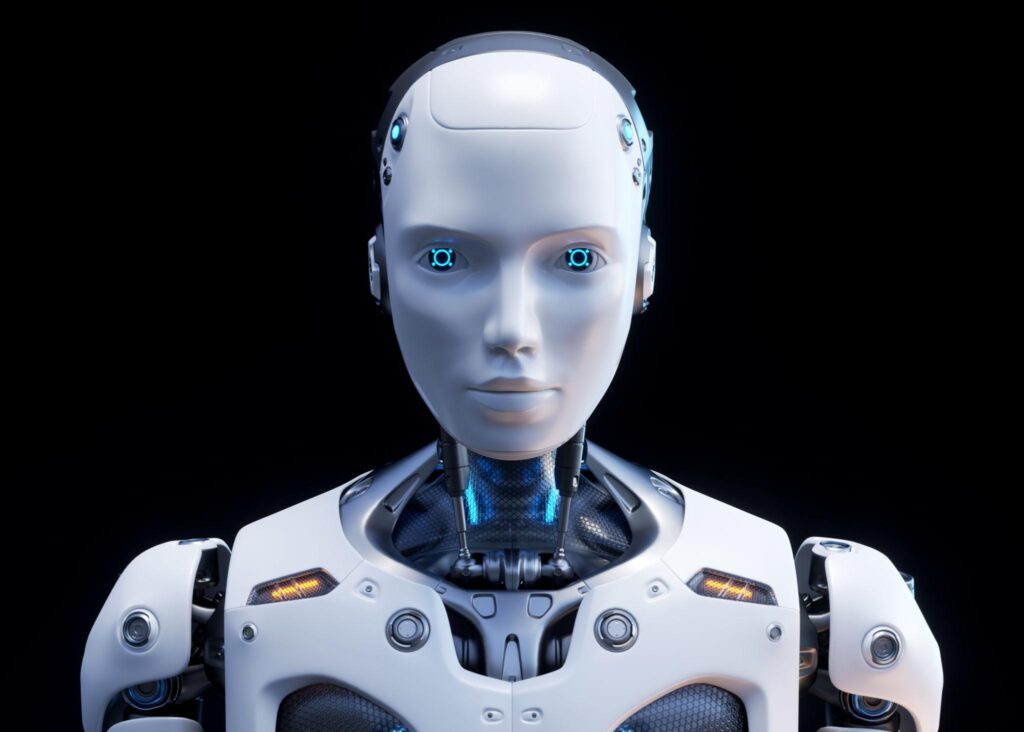
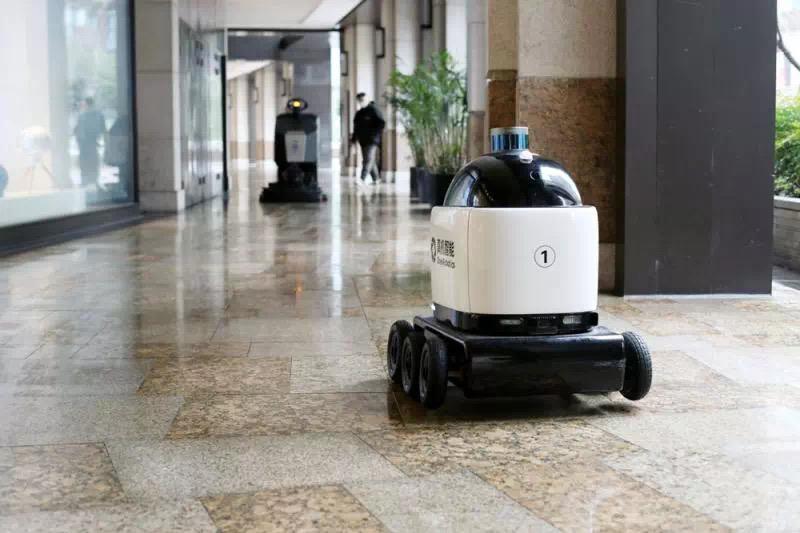
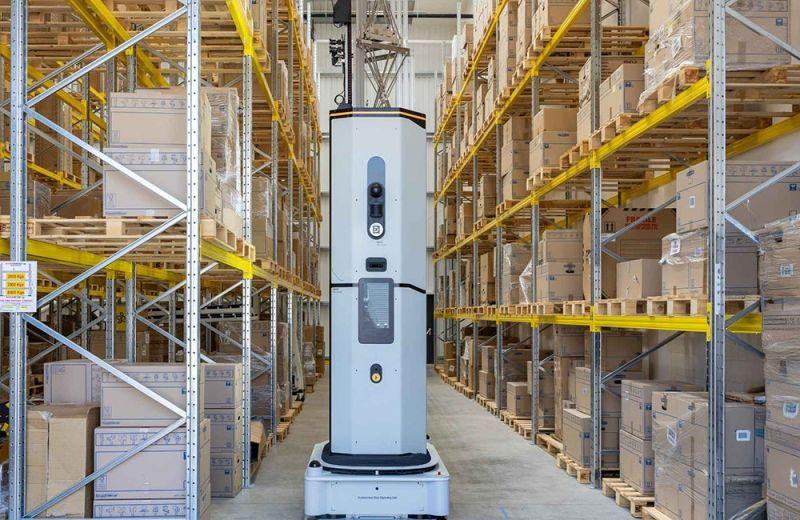
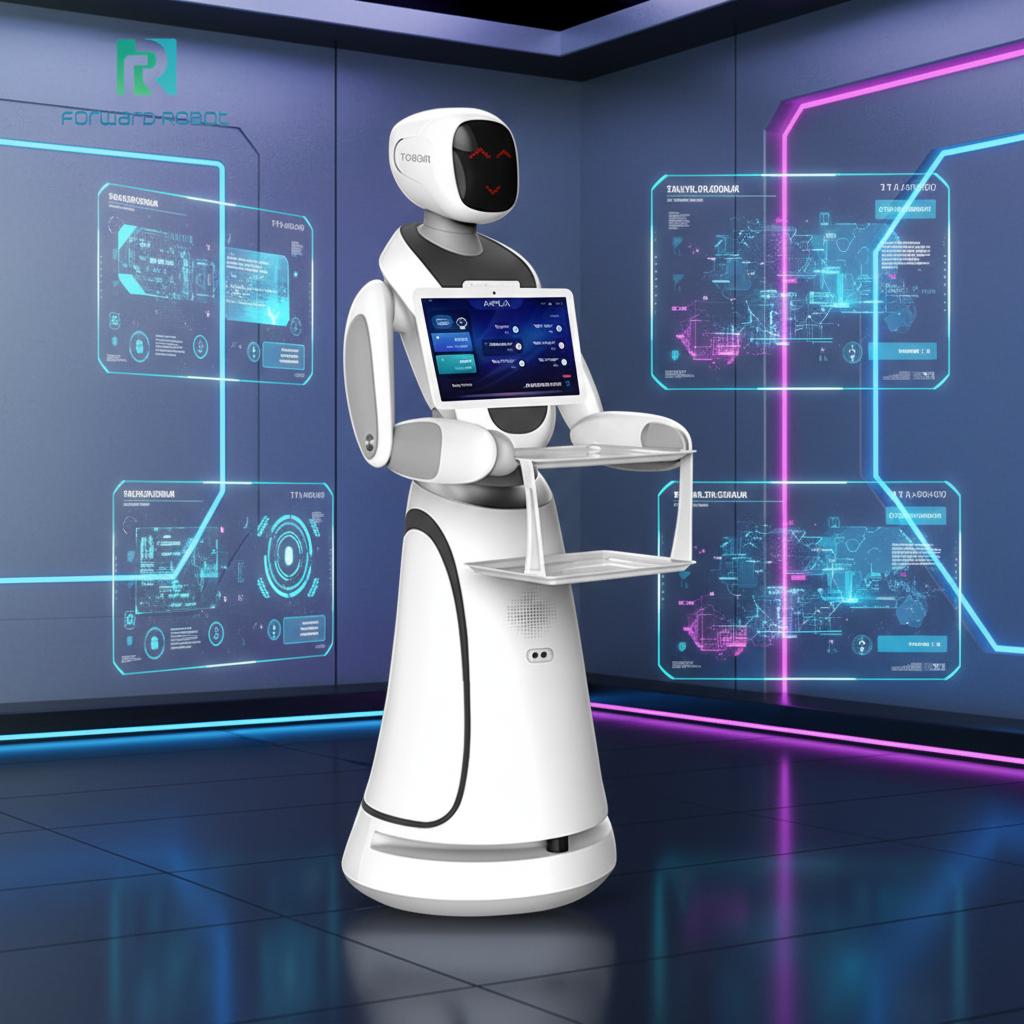
Perhaps the most recognizable technology in Star Wars is its intelligent droids.
Examples include:
- C-3PO
- R2-D2
- BB-8
These robots can:
- Understand natural language
- Navigate independently
- Repair machinery
- Translate languages
- Make decisions
- Learn from experience
Real-World Equivalent
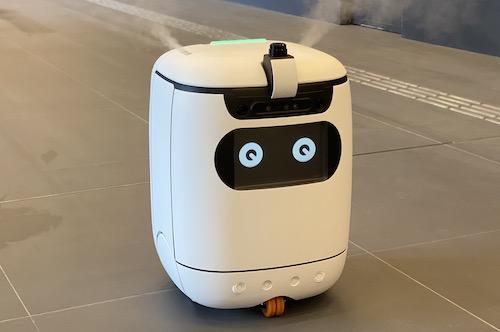
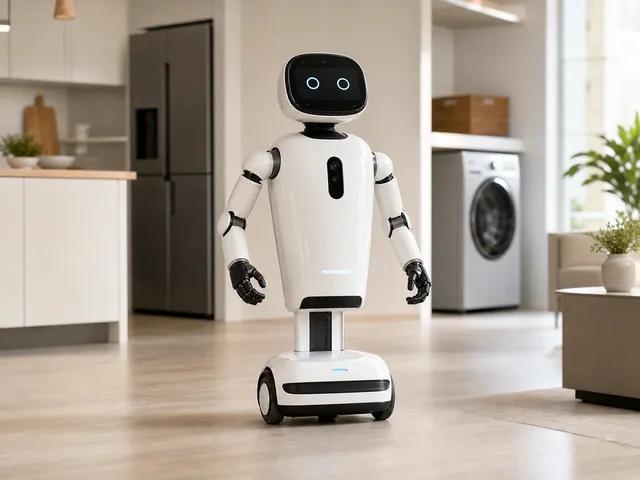
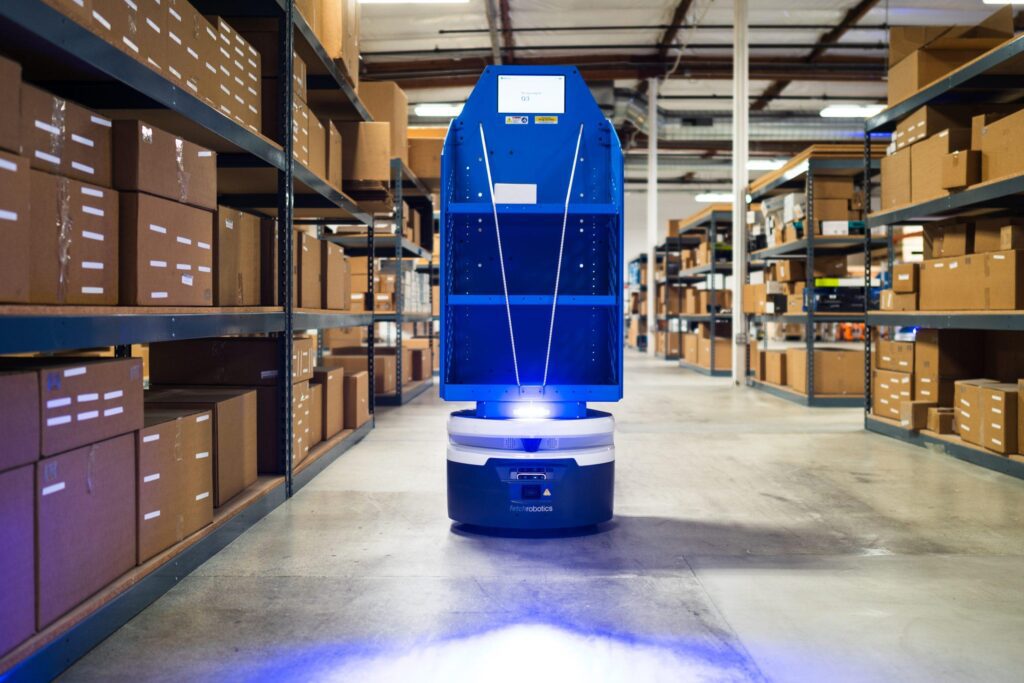
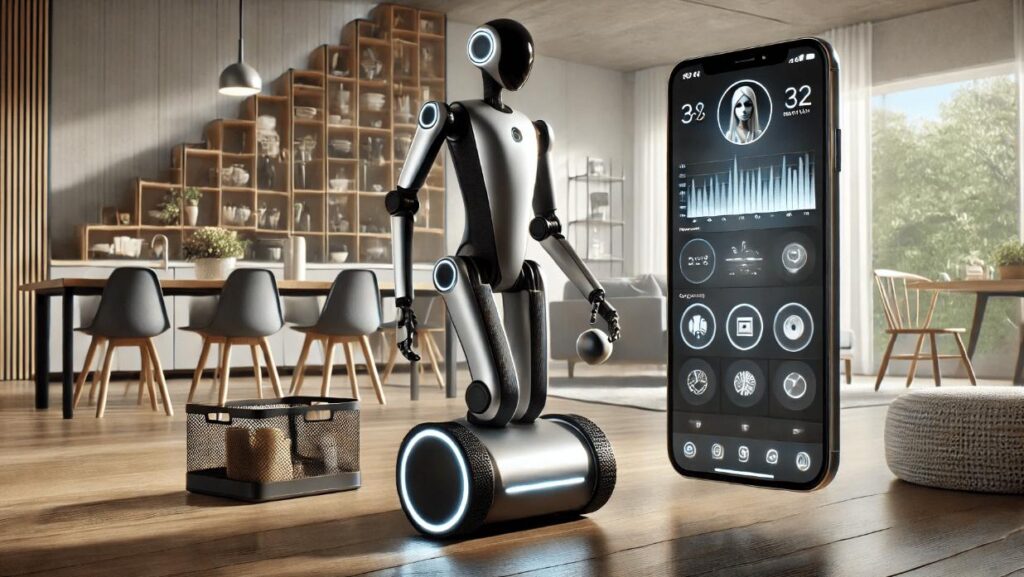
Today’s robots cannot match Star Wars droids, but they continue improving through AI.
Examples include:
- Warehouse robots
- Humanoid research robots
- Home cleaning robots
- Delivery robots
- AI assistants
Large language models and computer vision have significantly improved machine interaction with humans.
2. Lightsabers
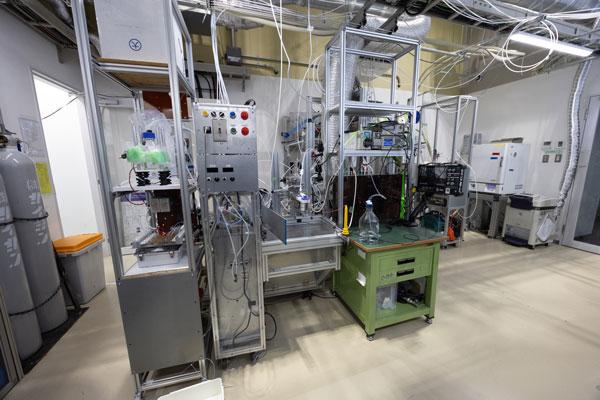
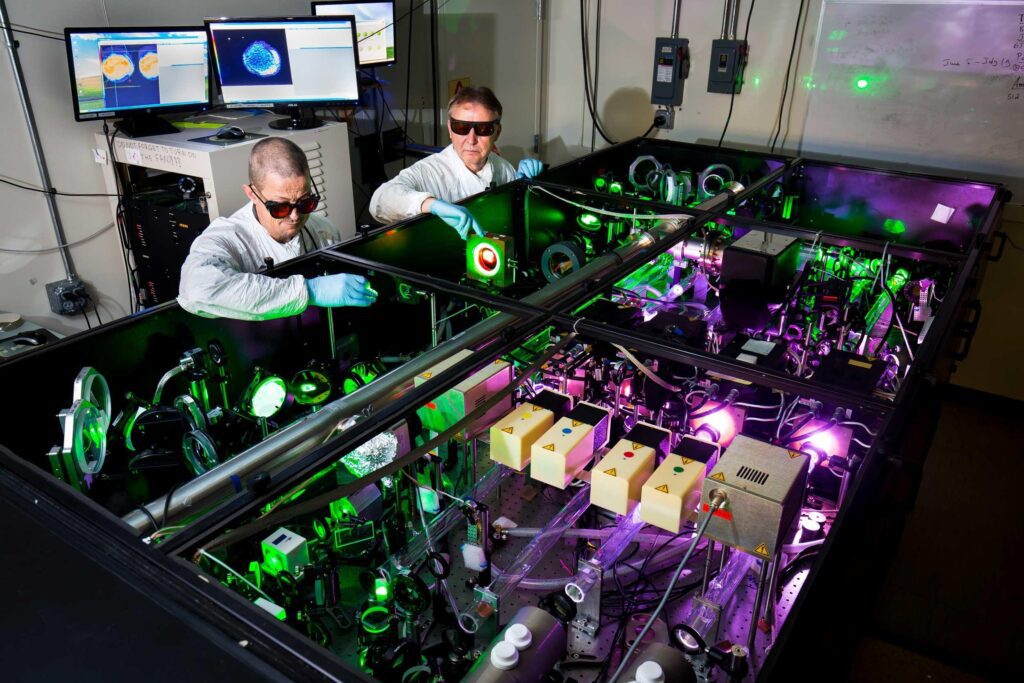

Lightsabers are perhaps the most iconic fictional weapons ever created.
A lightsaber features:
- Plasma-like energy blade
- Extremely high temperatures
- Compact power source
- Ability to cut through metal
Could Lightsabers Exist?
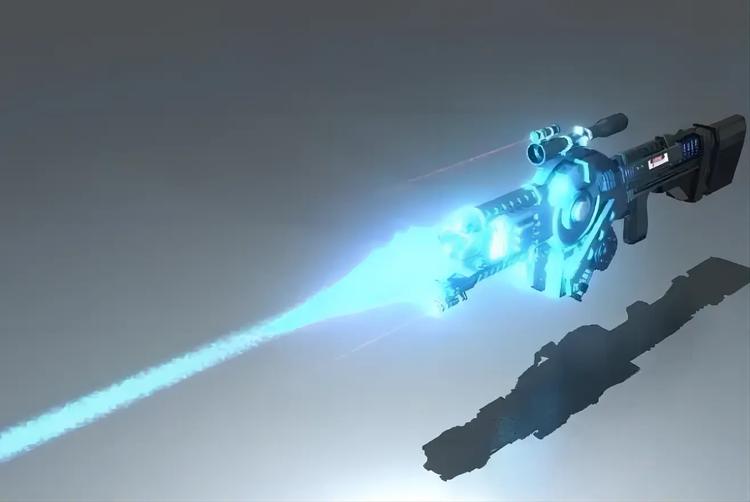
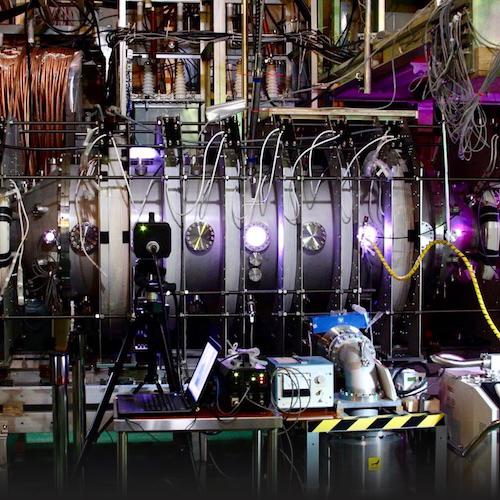
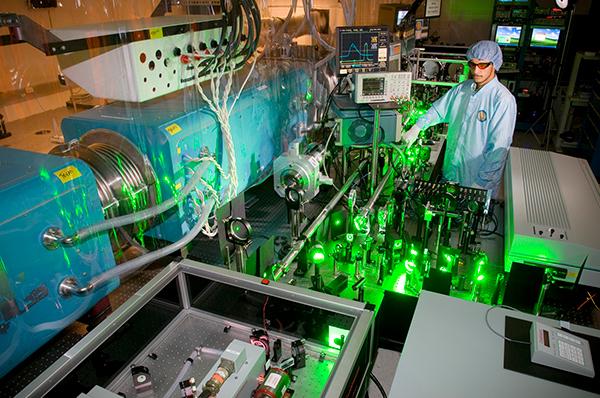
Current science says not yet.
Major engineering challenges include:
- Power storage
- Plasma containment
- Heat management
- User safety
Scientists have developed powerful lasers and plasma devices, but nothing close to a handheld lightsaber.
3. Holographic Communication
Princess Leia’s famous holographic message remains one of cinema’s most memorable scenes.
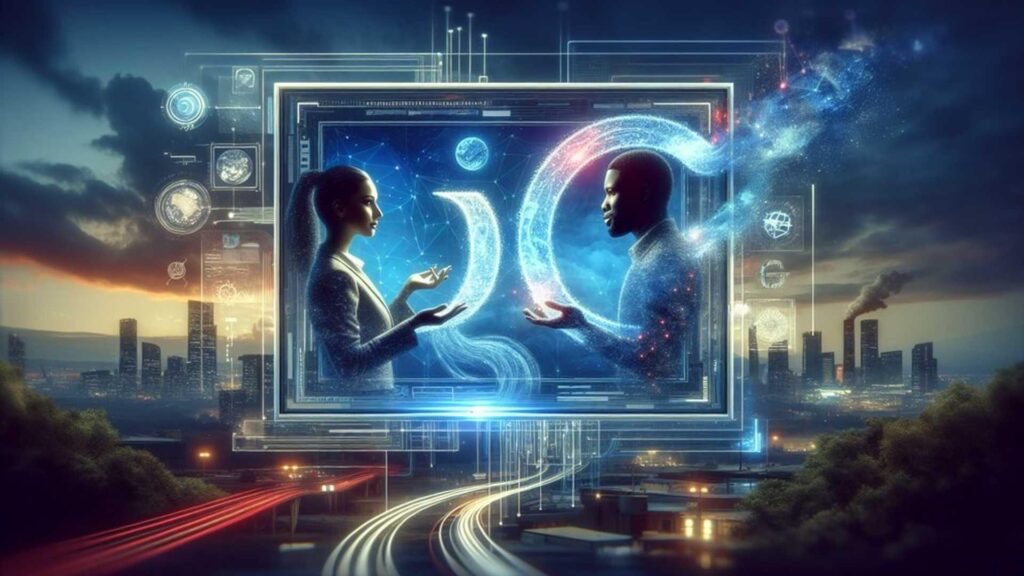
The Star Wars universe allows people to communicate through life-sized moving holograms.
Today’s Progress
Researchers are developing:
- Mixed reality
- Volumetric displays
- AR headsets
- 3D holographic projection
- Spatial video
While true free-floating holograms remain experimental, modern technology is steadily moving toward immersive communication.
4. Hyperspace Travel
Hyperspace allows spaceships to travel across galaxies almost instantly.
This concept bypasses normal space using an alternate dimension.
Scientific Reality
Modern physics has no evidence that hyperspace exists.
However, theoretical concepts such as:
- Wormholes
- Warp drives
- Space-time distortion
continue to be studied mathematically, although practical implementation remains far beyond current capabilities.
5. Starships
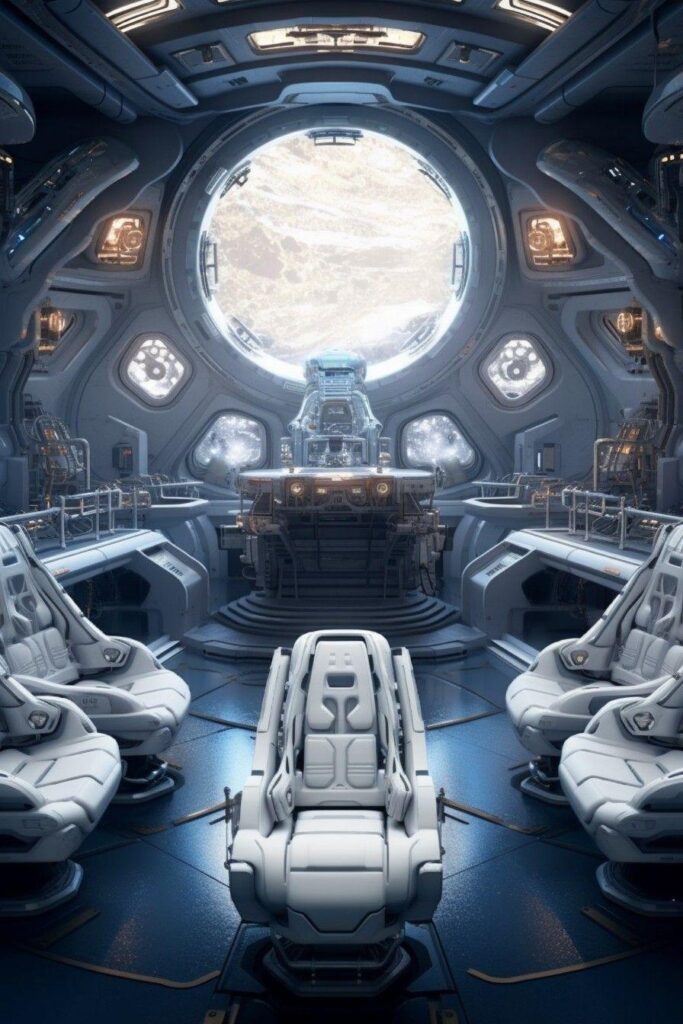
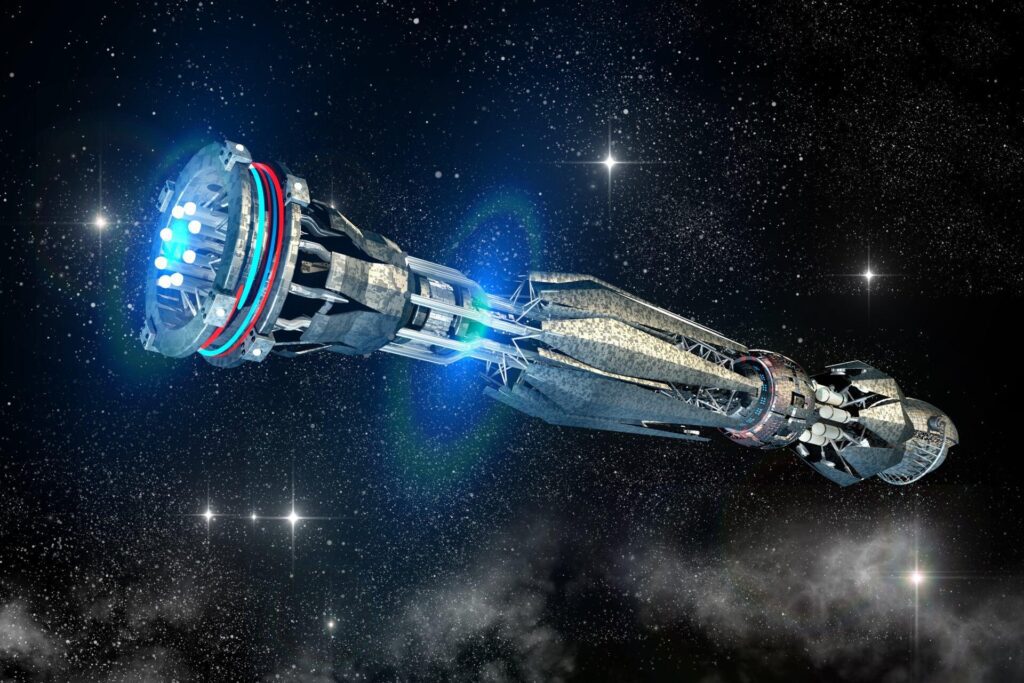
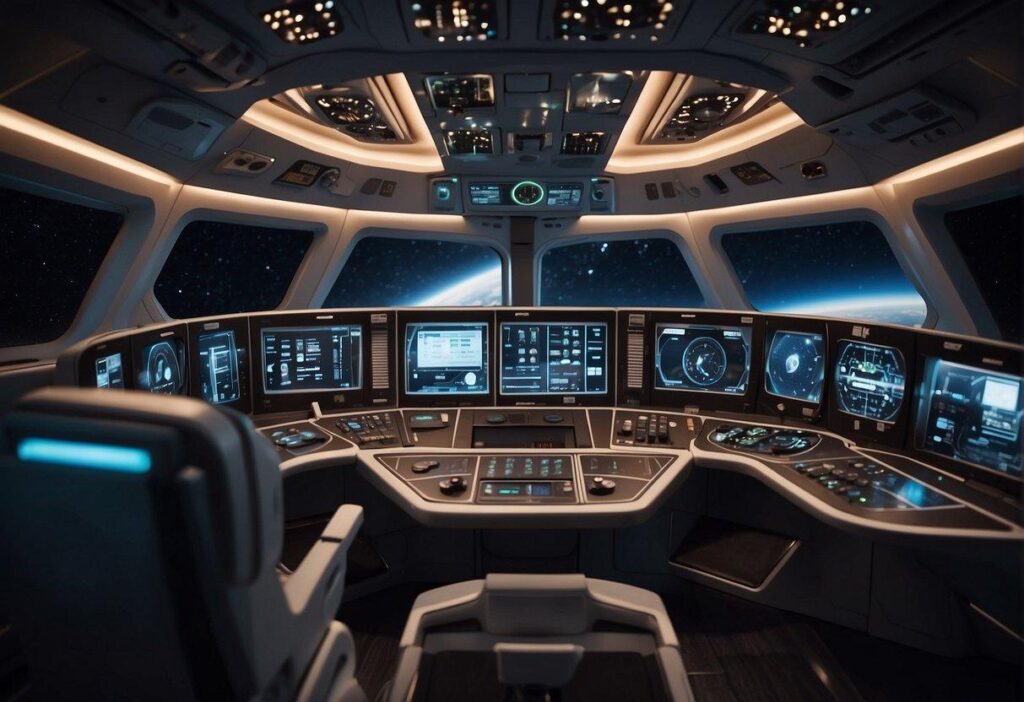
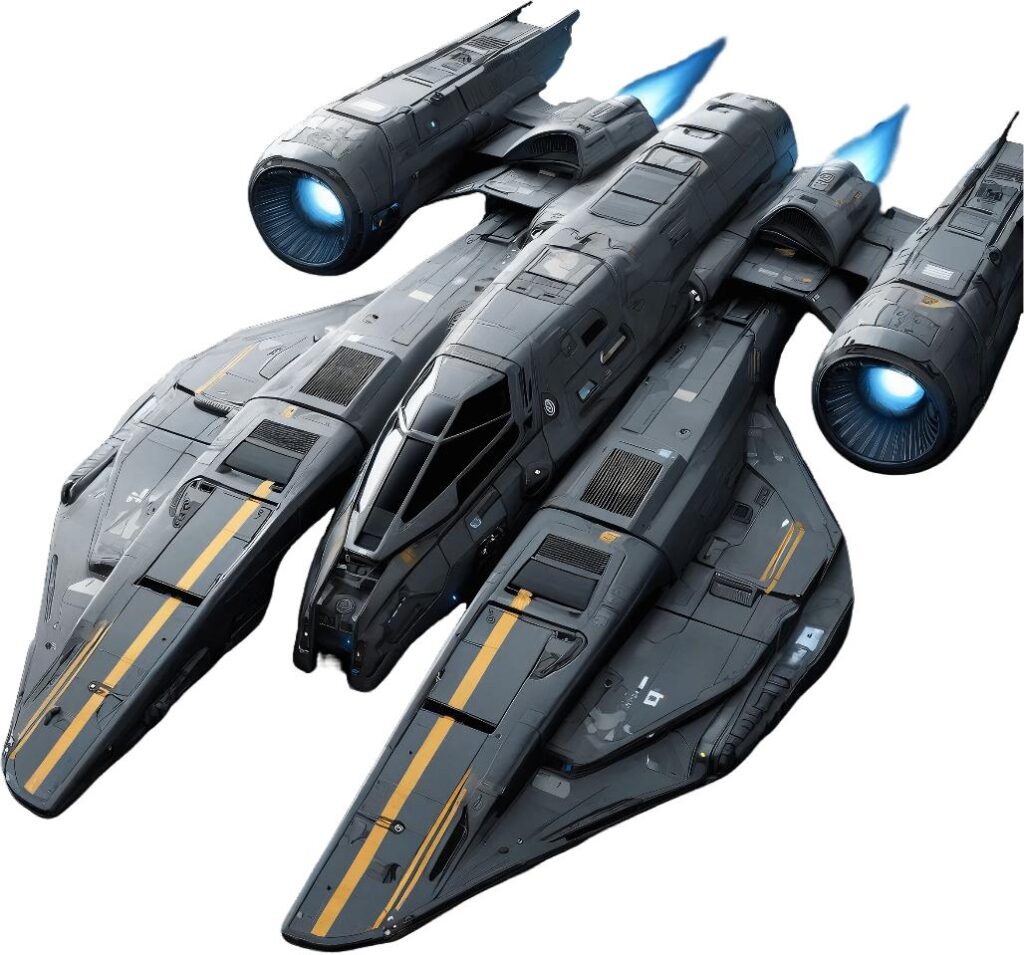
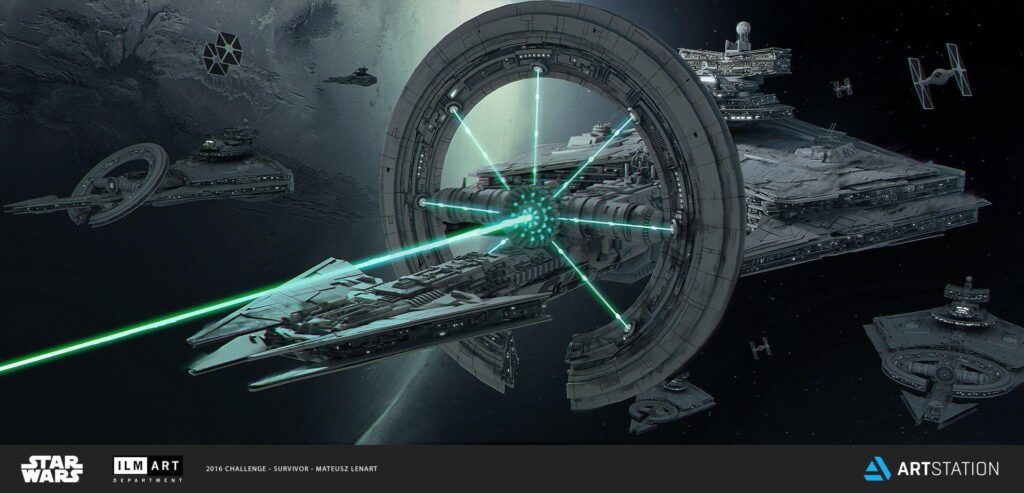
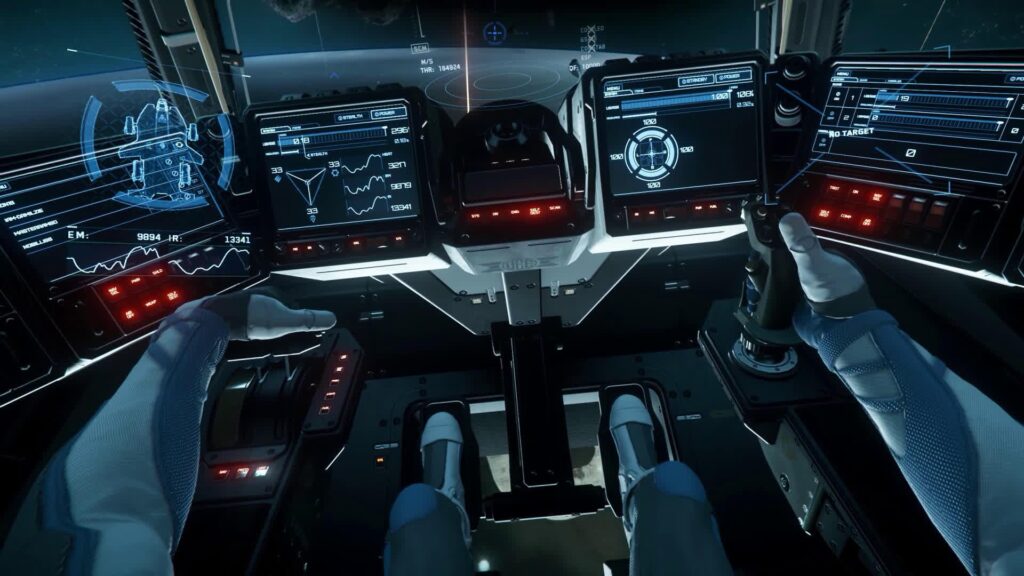
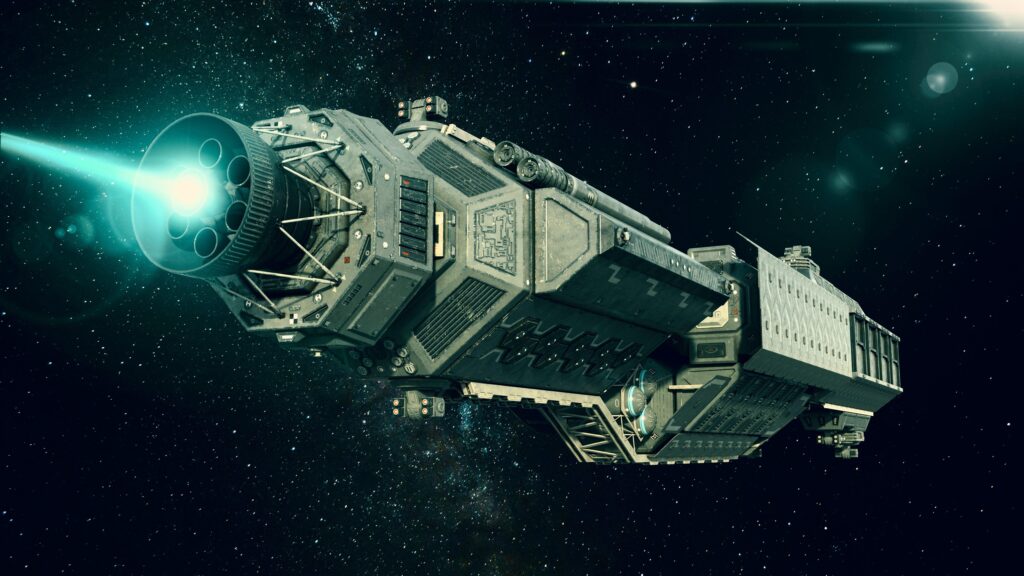
Star Wars spacecraft demonstrate remarkable technologies:
- Artificial gravity
- Faster-than-light travel
- Energy shields
- Autonomous navigation
- Voice-controlled systems
Modern Comparisons
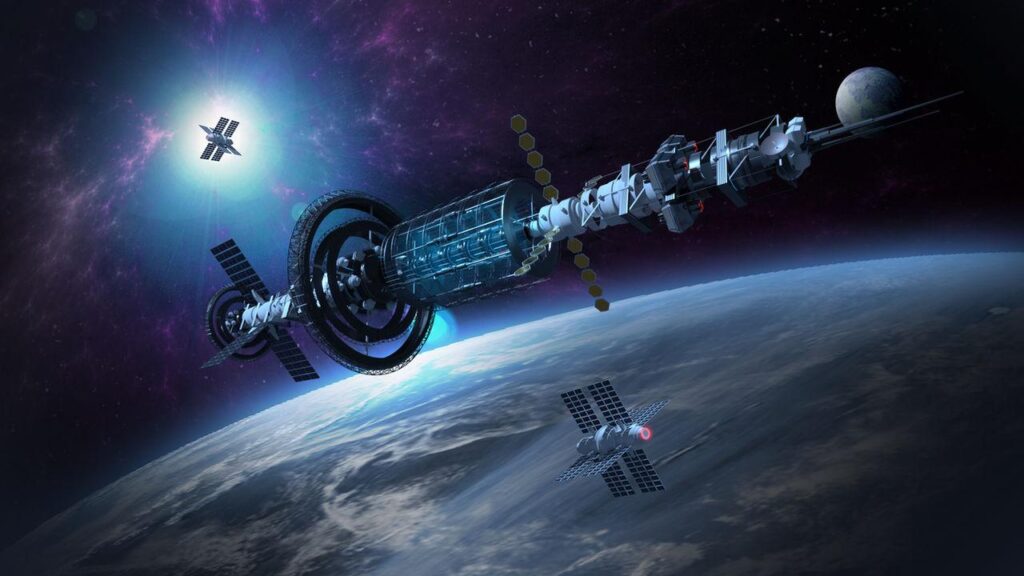
Current spacecraft include:
- Autonomous docking
- AI navigation assistance
- Electric propulsion
- Reusable rocket technology
Although interstellar travel remains out of reach, space engineering advances every year.
6. Artificial Intelligence
Nearly every machine in Star Wars possesses intelligence.
Droids communicate naturally, solve problems, and adapt to changing environments.
Modern AI
Artificial intelligence now powers:
- Virtual assistants
- Medical diagnosis
- Language translation
- Autonomous vehicles
- Image generation
- Chatbots
- Smart homes
Although modern AI is impressive, it lacks the general intelligence displayed by fictional Star Wars droids.
7. Medical Technology
The Star Wars universe showcases advanced medicine including:
- Robotic surgery
- Artificial organs
- Prosthetic limbs
- Instant healing devices
Reality Today
Medical science has achieved:
- Robotic-assisted surgery
- 3D-printed implants
- Advanced prosthetics
- Brain-controlled robotic arms
- Artificial hearts
- Wearable health monitors
These breakthroughs continue narrowing the gap between science fiction and reality.
8. Force Fields and Energy Shields
Spacecraft frequently use invisible shields to block enemy attacks.
Scientists continue researching:
- Electromagnetic shielding
- Plasma shielding
- Radiation protection
- Magnetic field technologies
Although energy shields like those in Star Wars remain fictional, related research supports spacecraft protection from radiation and charged particles.
9. Hover Vehicles
Vehicles in Star Wars appear to float effortlessly above the ground.
Current technologies include:
- Magnetic levitation (Maglev)
- Hovercraft
- Experimental flying cars
- Drone transportation
While true anti-gravity remains undiscovered, engineers continue developing innovative transportation systems.
10. Wearable Technology
Star Wars characters often use compact wearable devices for:
- Communication
- Navigation
- Health monitoring
Today’s equivalents include:
- Smartwatches
- Fitness trackers
- Smart glasses
- Satellite communicators
- Wireless earbuds
Many of these technologies would have seemed futuristic when the first Star Wars film premiered.
Which Star Wars Technologies Already Exist?
| Technology | Reality Today |
|---|---|
| Voice AI | ✅ Yes |
| Home Robots | ✅ Yes |
| Translation AI | ✅ Yes |
| Smart Glasses | ✅ Yes |
| Autonomous Navigation | ✅ Yes |
| Robotic Surgery | ✅ Yes |
| Holograms | ⚠ Partial |
| Flying Cars | ⚠ Experimental |
| Lightsabers | ❌ No |
| Hyperspace | ❌ No |
| Force Fields | ❌ No |
How Star Wars Inspired Innovation
Many engineers and scientists grew up watching Star Wars and later pursued careers in science and technology. The franchise encouraged generations to imagine bold solutions to difficult problems.
Industries influenced include:
- Robotics
- Aerospace
- Artificial intelligence
- Consumer electronics
- Medical engineering
- Virtual reality
- Space exploration
Innovation often begins with imagination, and Star Wars has played a significant role in inspiring future inventors.
The Future of Star Wars Technology
Emerging technologies may bring us closer to science fiction:
- AI-powered humanoid robots
- Quantum computing
- Advanced prosthetics
- Space tourism
- Nuclear-powered spacecraft
- Brain-computer interfaces
- Holographic displays
- Fusion energy
- Autonomous exploration robots
While lightsabers and hyperspace remain fictional, many other ideas are gradually becoming reality.
Final Thoughts
Star Wars technology continues to inspire innovation decades after the franchise first captivated audiences. Although many concepts remain beyond current scientific capabilities, others have evolved into practical tools that improve daily life.
Artificial intelligence, robotics, wearable technology, and advanced medical devices demonstrate how imaginative storytelling can influence real engineering. As research progresses, more science-fiction ideas may transition from movie screens into laboratories—and eventually into our homes.
Frequently Asked Questions (FAQ)
Is any Star Wars technology real?
Yes. Technologies such as AI assistants, robotics, wearable devices, and advanced prosthetics exist today, though they are less advanced than their fictional counterparts.
Are lightsabers scientifically possible?
Not with current technology. Challenges include power storage, plasma containment, and heat management.
Could hyperspace travel ever happen?
There is no experimental evidence supporting hyperspace. Concepts like wormholes and warp drives remain theoretical.
Which Star Wars invention is closest to reality?
AI-powered robots and voice assistants are among the closest real-world equivalents.
Has Star Wars inspired scientists?
Yes. Many engineers, roboticists, and aerospace researchers have credited science fiction, including Star Wars, as an inspiration for their careers.
Quick access and no lag at all. I had some trouble logging in elsewhere but don55login made it so easy for me to get back into the action.