
Why Subscription Apps Are Everywhere
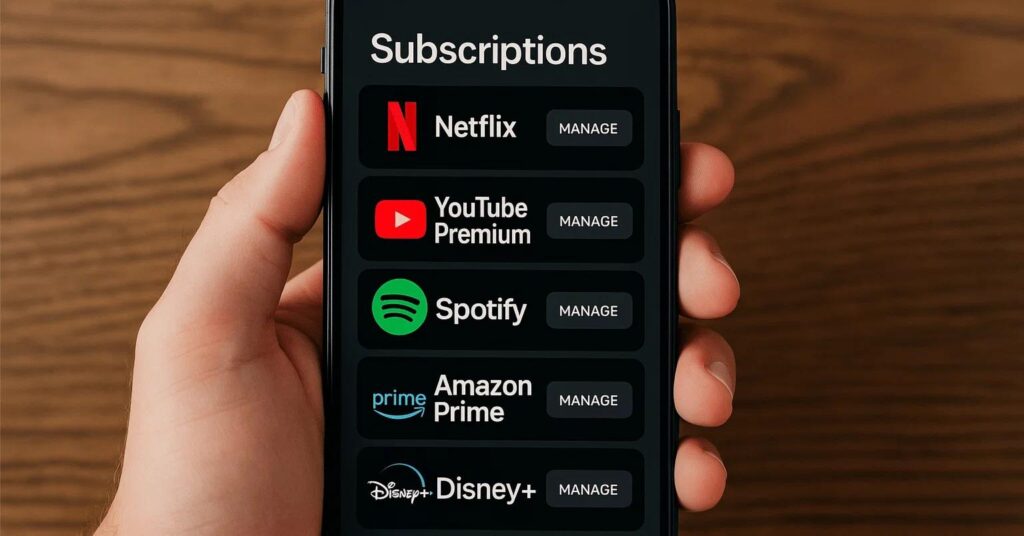
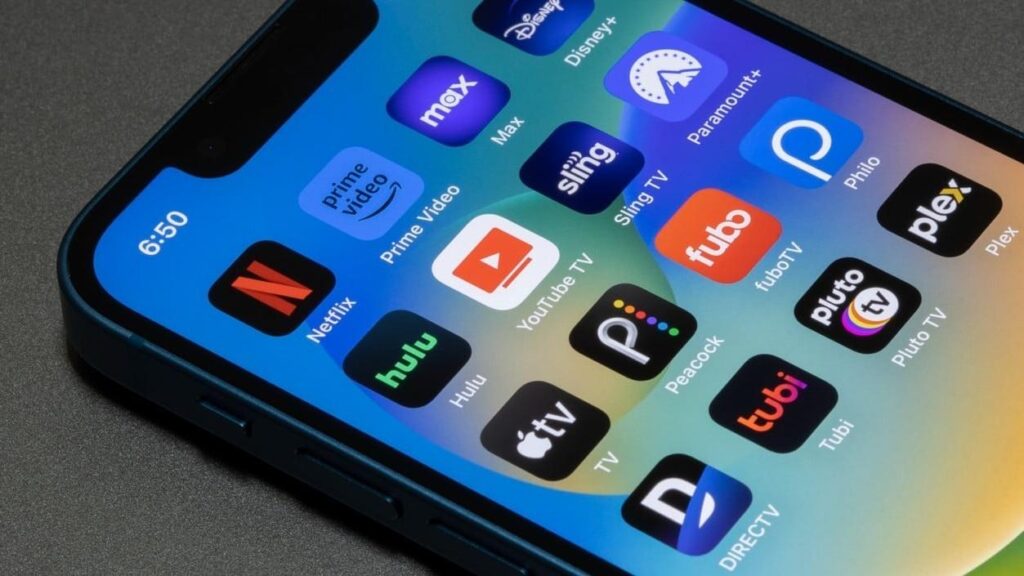
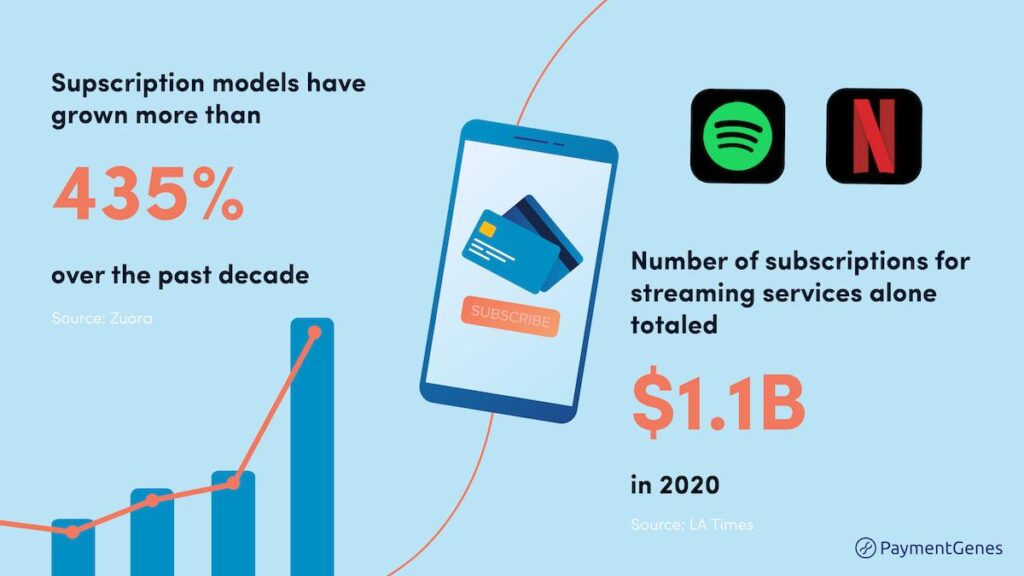
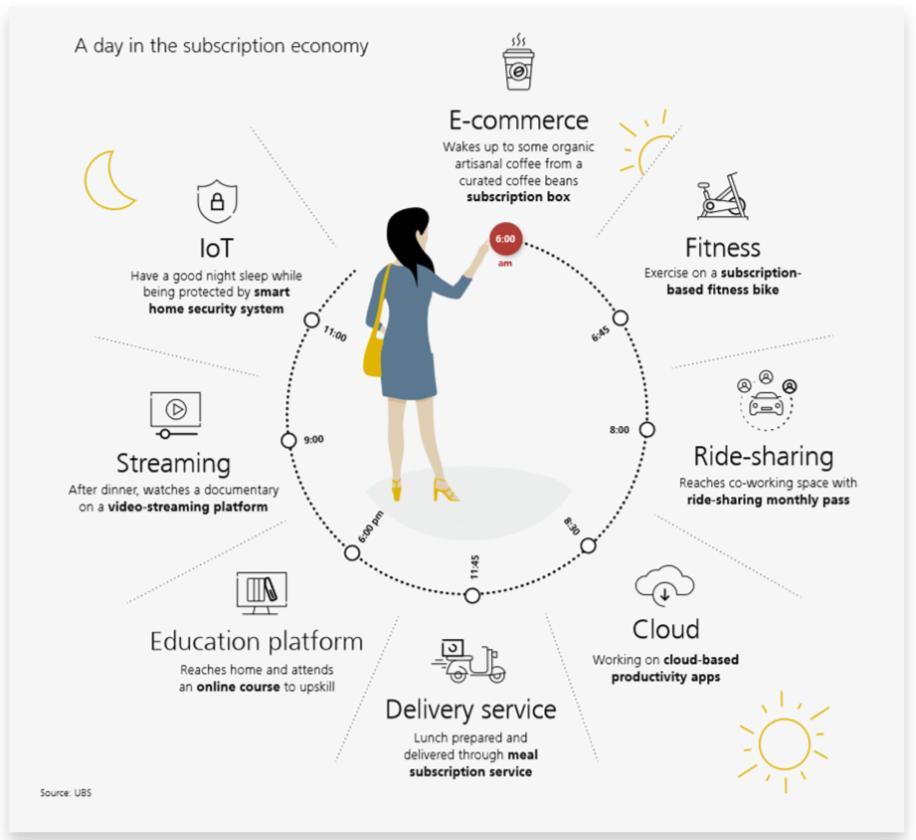
Open your smartphone today and you’ll notice a common trend. Whether it’s streaming music, watching movies, editing photos, learning a language, managing your finances, or using AI tools, chances are you’re paying a monthly or yearly subscription.
Apps like Netflix, Spotify, ChatGPT, YouTube Premium, Canva Pro, Adobe Creative Cloud, Microsoft 365, and many others have shifted away from one-time purchases in favor of recurring subscriptions.
But why has this model become so popular?
The answer goes beyond making money. Subscription apps provide predictable revenue for developers, continuous updates for users, and sustainable business growth. At the same time, consumers gain access to constantly improving services without paying large upfront costs.
In this article, we’ll explore why subscription apps are everywhere, how this business model works, why companies prefer it, the benefits and drawbacks for users, and whether subscriptions will continue to dominate the future of mobile technology.
What Is a Subscription App?
A subscription app is an application that requires users to pay regularly—usually monthly or annually—to access premium features, exclusive content, cloud storage, or advanced functionality.
Instead of buying software once and owning it forever, users pay for ongoing access.
Common subscription models include:
- Monthly plans
- Annual plans
- Family plans
- Student discounts
- Business subscriptions
- Freemium (free with optional premium upgrade)
Why Did Subscription Apps Become Popular?
Years ago, software was sold as a one-time purchase. Users bought a CD or downloaded a license key and used that version for years.
Today, apps are continuously updated with new features, security improvements, cloud syncing, and AI capabilities. Maintaining these services requires constant investment.
Recurring subscriptions provide companies with predictable income, allowing them to improve products without relying solely on new sales.
1.Predictable Revenue for Companies
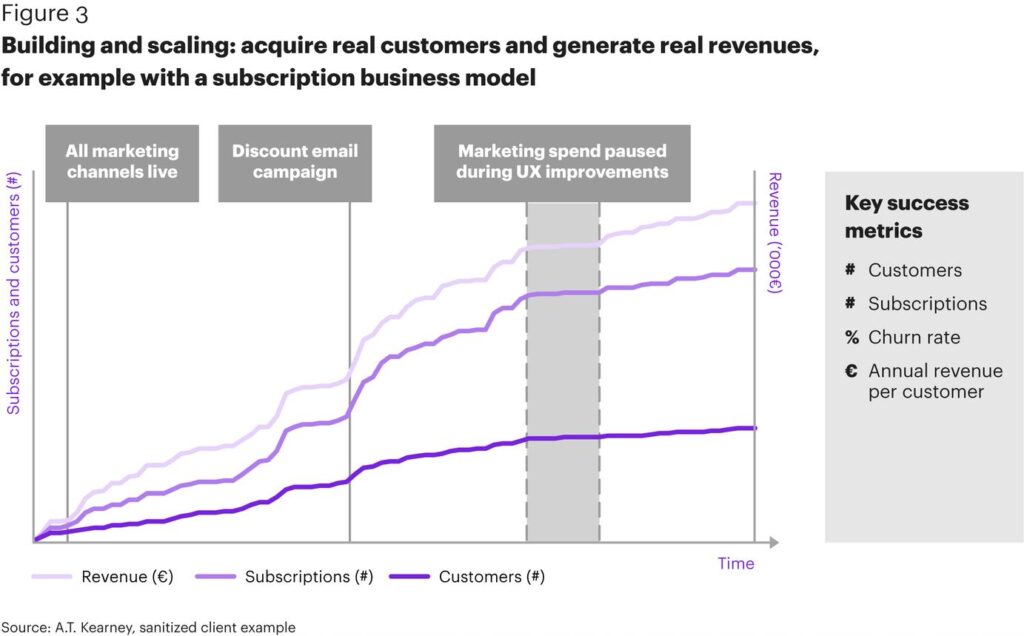
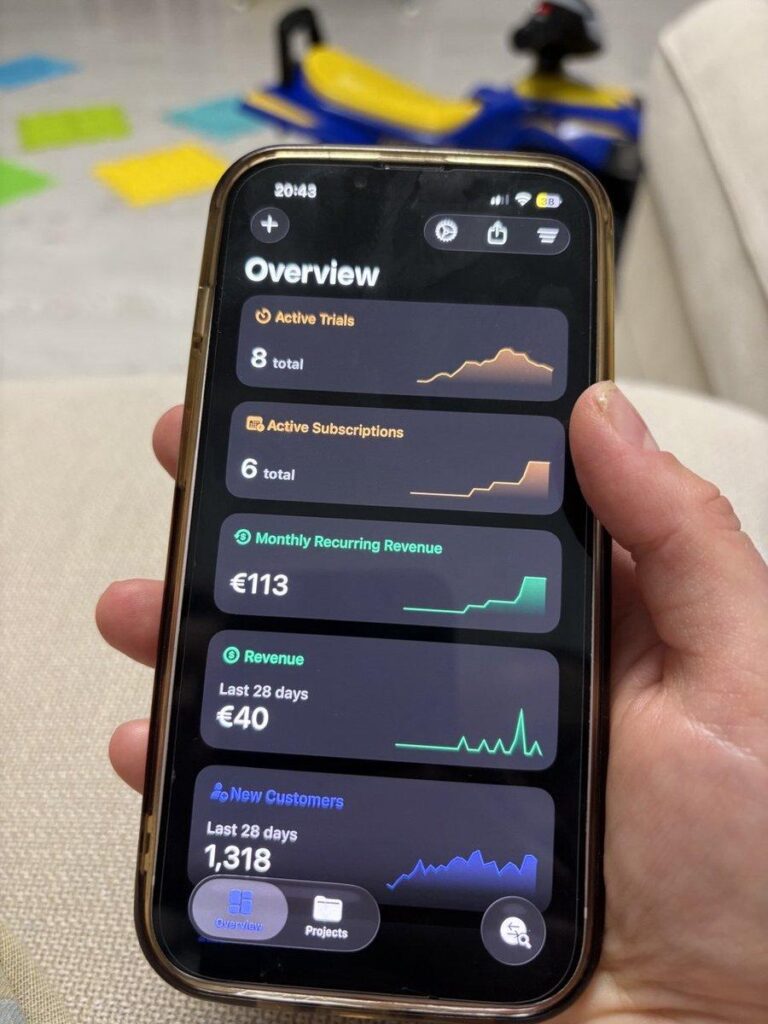
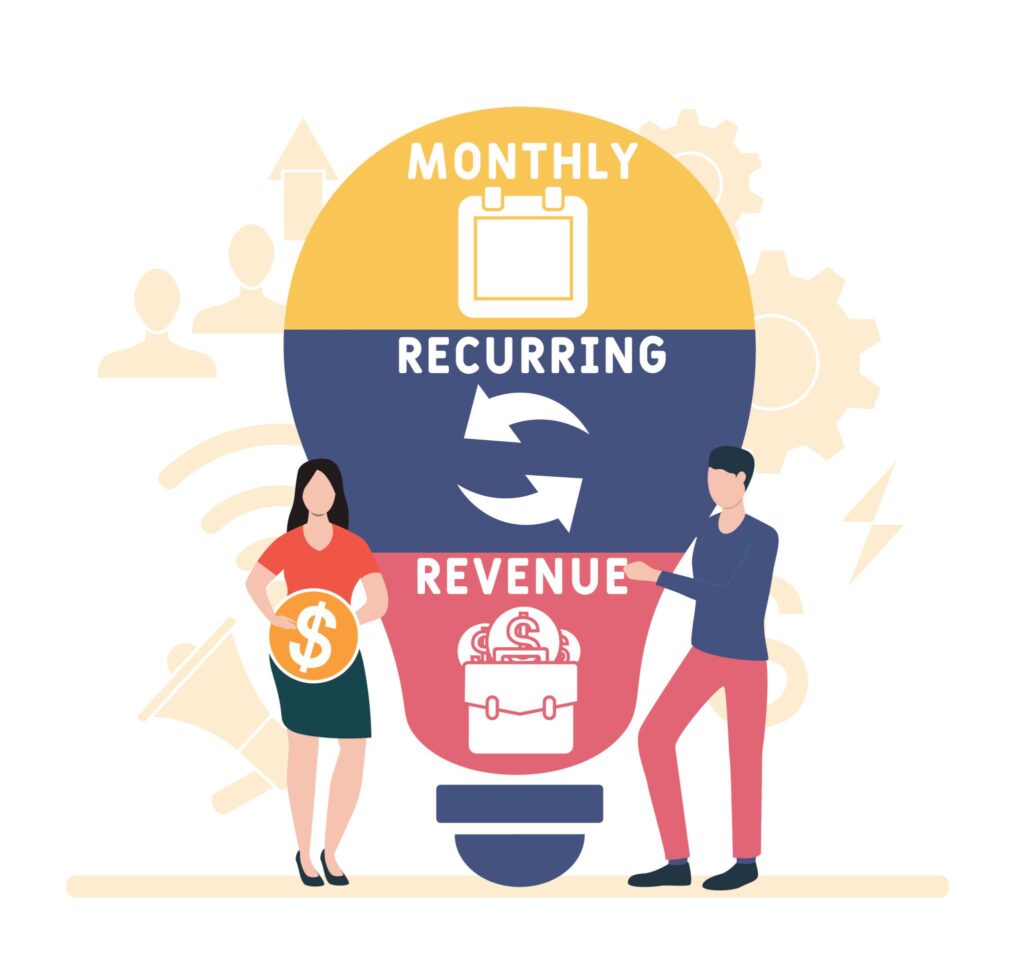
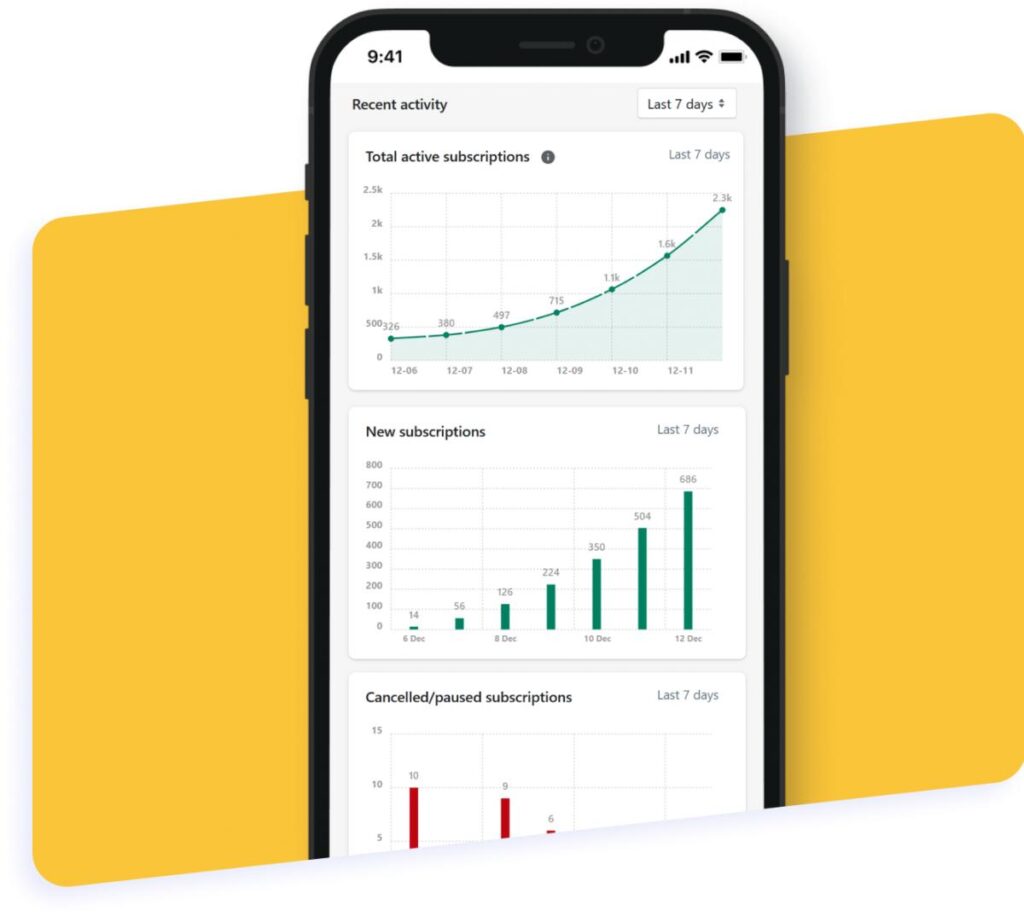
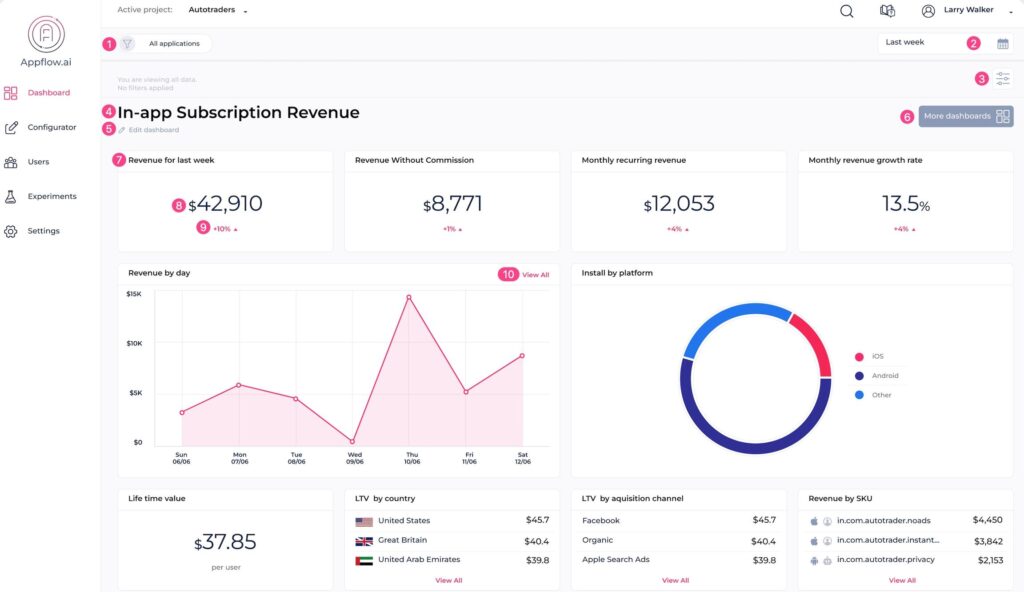
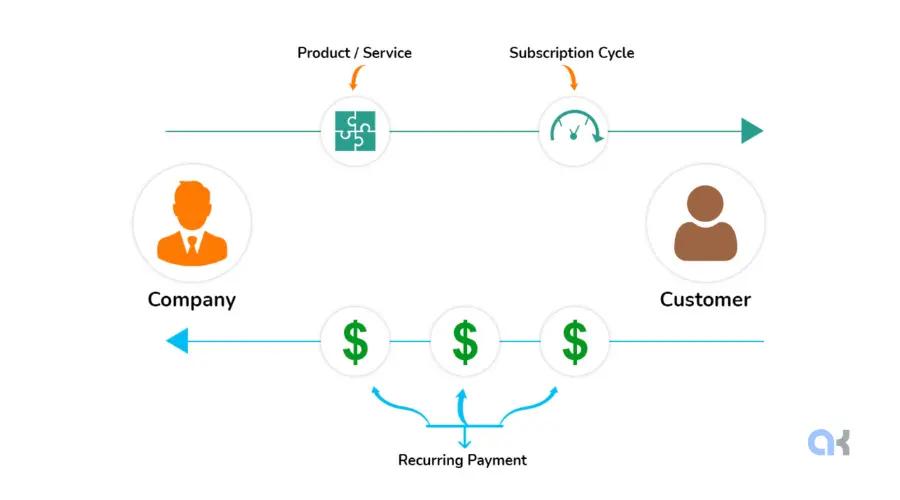
One of the biggest reasons companies prefer subscriptions is recurring revenue.
Instead of waiting for customers to purchase the next version, businesses receive consistent monthly income.
Benefits include:
- Stable cash flow
- Easier financial planning
- Better hiring decisions
- Increased investment in product development
- Improved customer support
Investors also favor businesses with recurring revenue because it provides greater financial stability.
2. Continuous Updates Instead of New Versions
In the past, users often had to buy entirely new versions of software every few years.
Today, subscription apps receive:
- Weekly bug fixes
- Monthly feature updates
- Security patches
- Performance improvements
- Cloud enhancements
- AI-powered tools
Users always have access to the latest version without purchasing separate upgrades.
3. Cloud Storage Changed Everything
Modern apps increasingly rely on cloud technology.
Examples include:
- Automatic backups
- Cross-device syncing
- Online collaboration
- File recovery
- Shared workspaces
Maintaining cloud infrastructure requires ongoing server costs, making subscriptions a practical way to support these services.
4. AI Features Require Constant Computing Power


Artificial intelligence has accelerated the subscription model.
Unlike traditional software, AI applications require expensive computing resources every time users interact with them.
Examples include:
- AI writing assistants
- Image generators
- Video creators
- Voice transcription
- Code assistants
- Language translation
Because these features consume server resources continuously, subscriptions help companies cover operational costs while improving AI models over time.
5. Better Customer Support
Subscription customers expect more than just software.
Many premium apps include:
- Priority customer service
- Live chat support
- Dedicated help centers
- Community forums
- Training resources
- Personalized recommendations
Recurring revenue enables companies to invest in better customer experiences.
6. Lower Upfront Costs for Users
Instead of paying hundreds of dollars for professional software, users can access premium tools through affordable monthly or annual plans.
This makes advanced technology more accessible to individuals, students, freelancers, and small businesses.
7. Personalized Experiences
Subscription services collect user preferences to deliver customized experiences.
Examples include:
- Personalized movie recommendations
- Curated music playlists
- AI-generated suggestions
- Fitness coaching plans
- Language learning paths
Personalization increases engagement and encourages users to continue their subscriptions.
8. Multi-Device Access
Modern users switch between phones, tablets, laptops, and smart TVs throughout the day.
Subscription services often include seamless syncing across devices, allowing users to continue their work or entertainment without interruption.
9. Exclusive Content and Premium Features
Many subscription apps attract users with content or capabilities unavailable in free versions.
Common premium benefits include:
- Ad-free experiences
- Offline downloads
- Higher-quality streaming
- Larger cloud storage
- Exclusive templates
- Early access to new features
- Advanced analytics
These added benefits make subscriptions more appealing for frequent users.
10. The Freemium Strategy
Many successful apps follow a “freemium” model.
Users can download the app for free and explore its basic features. If they need more advanced tools, they can upgrade to a paid subscription.
This strategy allows users to experience the product before committing financially.
11. App Stores Made Subscriptions Easier
Both major mobile platforms simplified recurring billing by allowing developers to offer subscription plans directly through their app stores.
Users can manage, renew, or cancel subscriptions with just a few taps, making the process convenient and secure.
12. The Future Is Service-Based
Technology is shifting from product ownership to ongoing services.
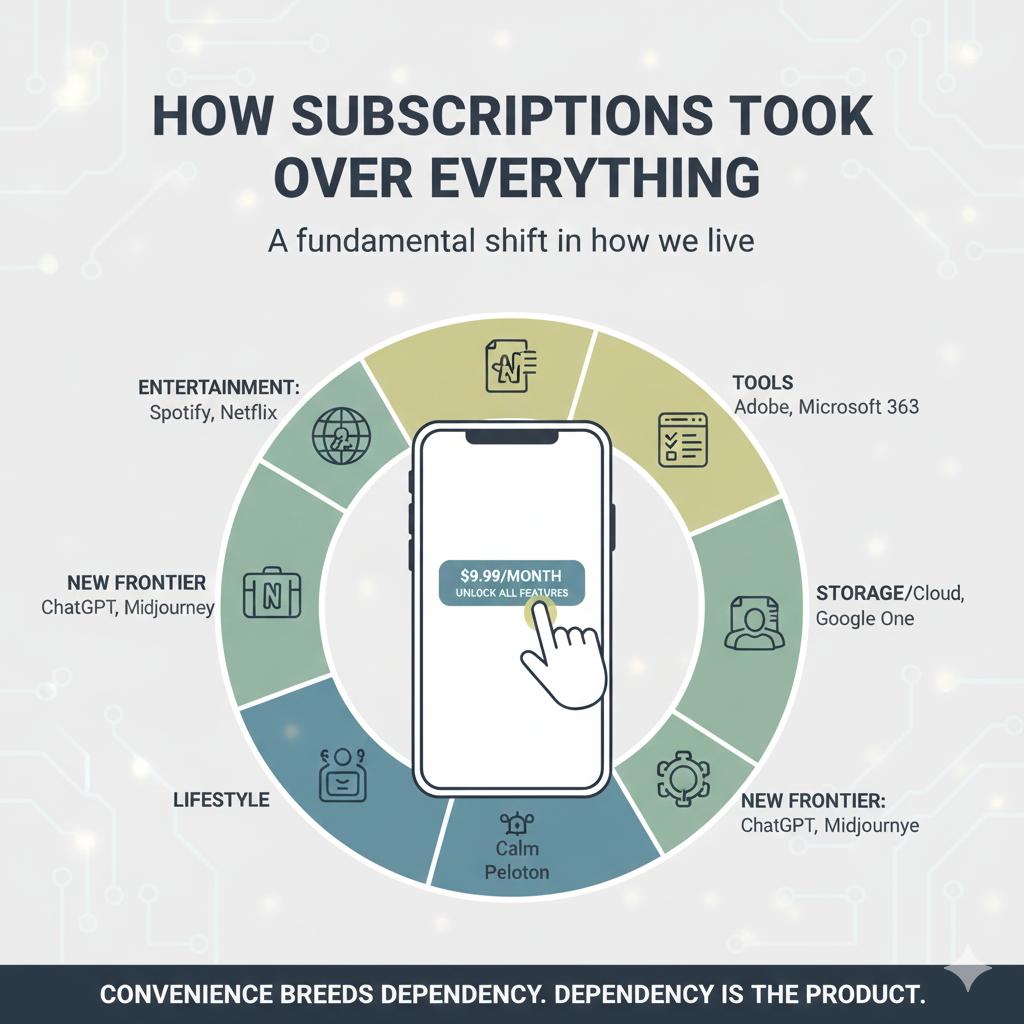
Instead of buying software once, users increasingly pay for continuous access to:
- AI assistants
- Streaming entertainment
- Cloud storage
- Productivity tools
- Education platforms
- Health tracking
- Business software
This trend is expected to continue as digital services become more integrated into everyday life.
Advantages of Subscription Apps
| Benefit | Why It Matters |
|---|---|
| Regular updates | Always access the latest features |
| Lower upfront cost | Affordable entry for premium tools |
| Cloud syncing | Work across multiple devices |
| Better security | Frequent patches protect users |
| Continuous innovation | Developers can improve products consistently |
| Premium support | Faster assistance when needed |
Disadvantages of Subscription Apps
Subscriptions also have drawbacks:
- Monthly expenses can accumulate.
- Features may disappear after cancellation.
- Price increases over time.
- Dependence on internet connectivity for some services.
- Subscription fatigue from managing multiple recurring payments.
Users should evaluate which services they use regularly to avoid paying for unused subscriptions.
How to Manage Your Subscriptions
To keep spending under control:
- Review active subscriptions every few months.
- Cancel services you no longer use.
- Compare monthly and annual pricing.
- Take advantage of free trials responsibly.
- Use family or student plans when eligible.
Regular reviews help ensure you’re paying only for services that provide real value.
What Makes a Subscription App Successful?
Successful subscription apps typically share these qualities:
- Solve a real problem
- Deliver consistent value
- Offer excellent user experience
- Provide reliable customer support
- Introduce meaningful updates
- Build trust through transparency and security
When users feel they’re receiving ongoing value, they’re more likely to remain subscribed.
The Future of Subscription Apps
The subscription economy is expected to expand into new areas, including:
- AI-powered productivity
- Smart home management
- Electric vehicle software
- Wearable health monitoring
- Virtual reality experiences
- Professional education
- Cybersecurity services
As technology evolves, subscriptions will likely remain a major business model for digital products and services.
Conclusion
Subscription apps have become a defining feature of the modern digital economy because they align the interests of both users and developers. Companies gain a reliable source of revenue to fund innovation, while users receive continuously improving services, regular security updates, cloud connectivity, and new features without waiting for major software releases.
Although subscriptions require ongoing payments, they also make advanced technologies more accessible and encourage companies to focus on long-term customer satisfaction rather than one-time sales.
As AI, cloud computing, and connected devices continue to grow, subscription-based services are expected to remain a central part of how we use technology in the years ahead.
Frequently Asked Questions (FAQs)
Why are so many apps subscription-based now?
Subscriptions provide companies with predictable revenue, enabling continuous updates, better customer support, and long-term product development.
Are subscription apps worth paying for?
That depends on how often you use the app. If it saves time, boosts productivity, or provides ongoing entertainment, a subscription can offer good value.
What’s the difference between free and freemium apps?
Free apps provide core features at no cost, while freemium apps offer optional paid subscriptions that unlock advanced features or remove limitations.
Will subscription apps replace one-time purchases?
Not entirely. Some software will continue offering one-time purchases, but subscriptions are likely to remain the preferred model for cloud-based and AI-powered services.