
How Billion-Dollar Apps Started
Today, billions of people use mobile apps without giving much thought to how they began. Whether you’re chatting on WhatsApp, scrolling Instagram, booking an Uber, or watching videos on TikTok, these apps have become an essential part of daily life.
What many people don’t realize is that nearly every billion-dollar app started as a small idea, often created by just one or two people trying to solve a simple problem.
Some founders worked from tiny apartments. Others faced repeated rejection from investors. Several companies nearly went bankrupt before achieving global success.
In this article, we’ll explore how some of the world’s biggest apps began, the challenges they overcame, and the valuable lessons entrepreneurs and developers can learn from their journeys.



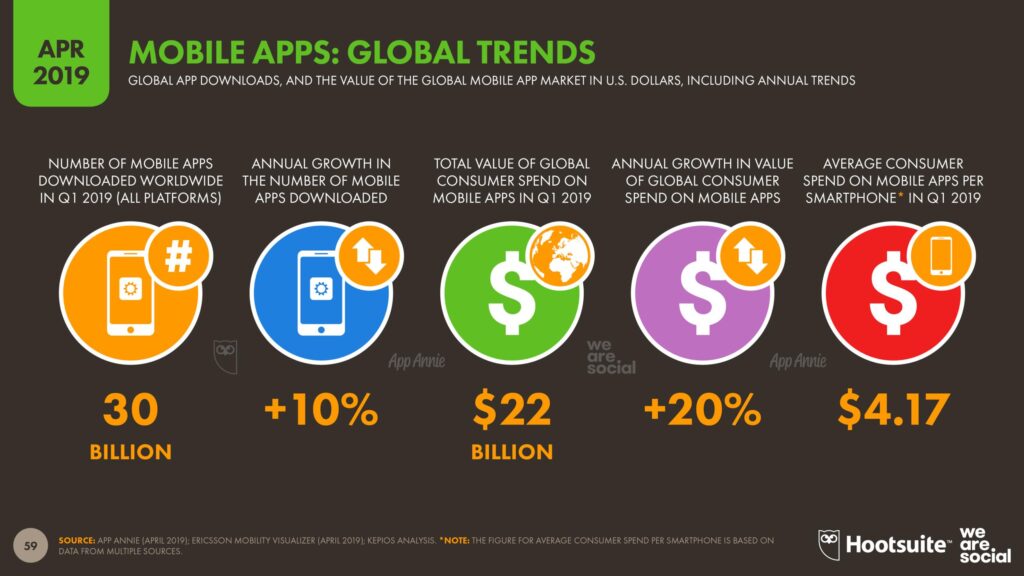
Why Simple Ideas Often Win
Most successful startups don’t begin with revolutionary technology.
Instead, they focus on solving everyday problems better than anyone else.
Common examples include:
- Making communication easier
- Sharing photos instantly
- Booking transportation quickly
- Finding affordable accommodation
- Ordering food with one tap
The best apps remove friction from people’s lives.
1. WhatsApp – From Missed Calls to Global Messaging




In 2009, former Yahoo engineers Jan Koum and Brian Acton wanted a simple status-sharing application.
Initially, WhatsApp wasn’t even designed for messaging.
Users updated their status like:
- Busy
- At work
- In the gym
After Apple introduced push notifications, the founders realized users could receive instant alerts.
That changed everything.
Messaging became the main feature.
Unlike SMS, WhatsApp worked over the internet, making communication almost free.
Today:
- Over 2 billion users
- Available in 180+ countries
- Acquired by Facebook (now Meta) for $19 billion
Key Lesson
Solve one problem extremely well before expanding.
2. Instagram – A Simpler Version Won
Many people think Instagram always focused on photos.
Actually, the first version was called Burbn.
It included:
- Location check-ins
- Gaming
- Messaging
- Photo uploads
- Social networking
The app became too complicated.
Founders Kevin Systrom and Mike Krieger noticed users mainly uploaded photos.
So they removed nearly everything else.
Instagram became:
- Faster
- Simpler
- Easier
The decision transformed the company.
Within two months:
- 1 million users
Within two years:
- Purchased by Facebook for $1 billion
Lesson
Sometimes removing features creates a better product.
3.Uber – One Ride Changed Transportation
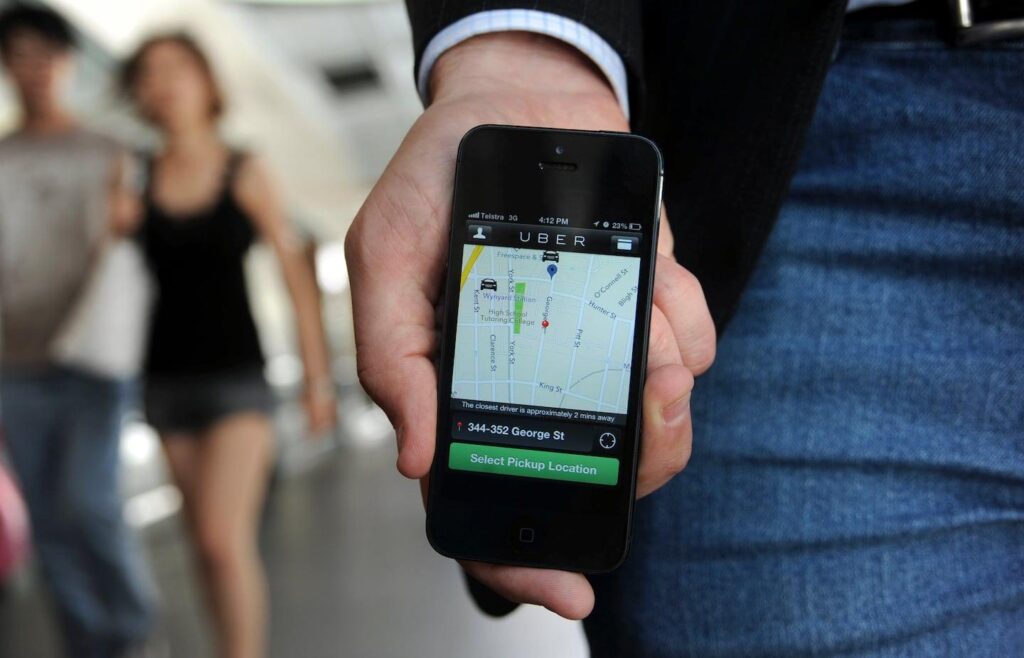
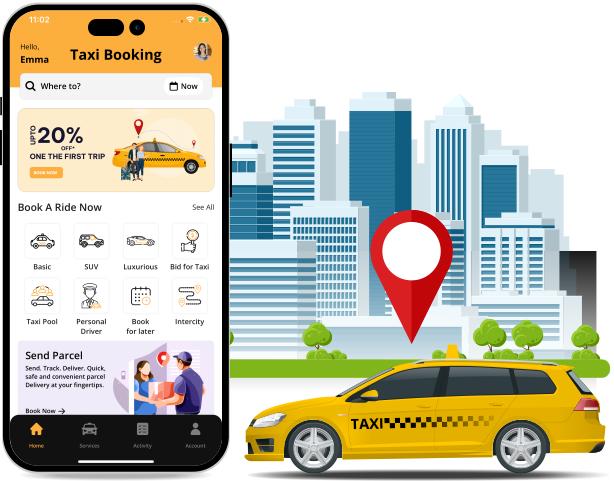
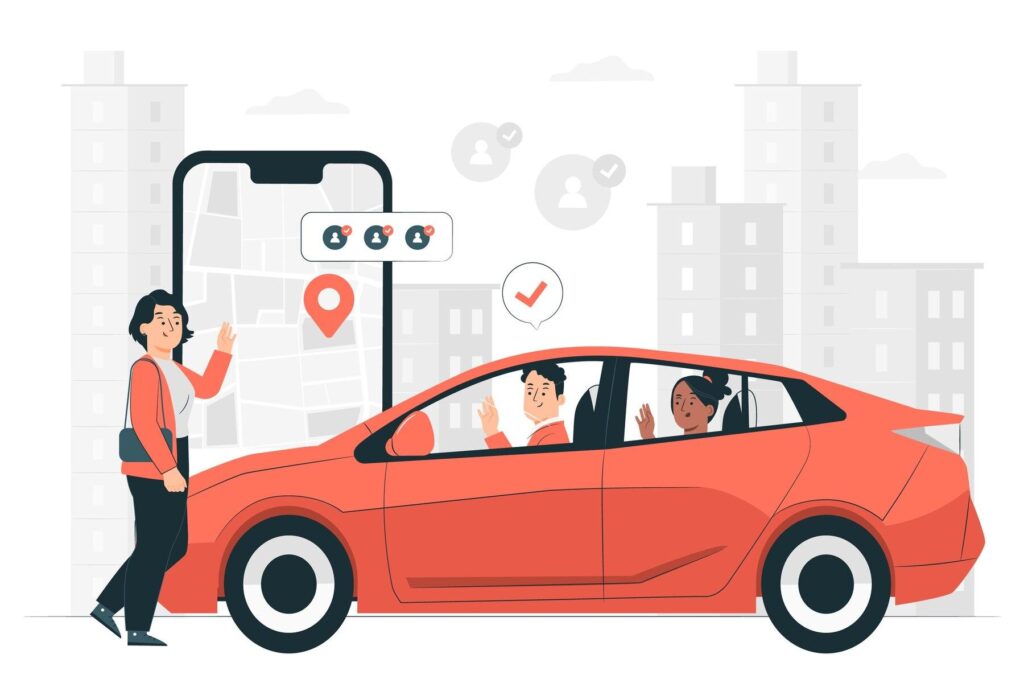
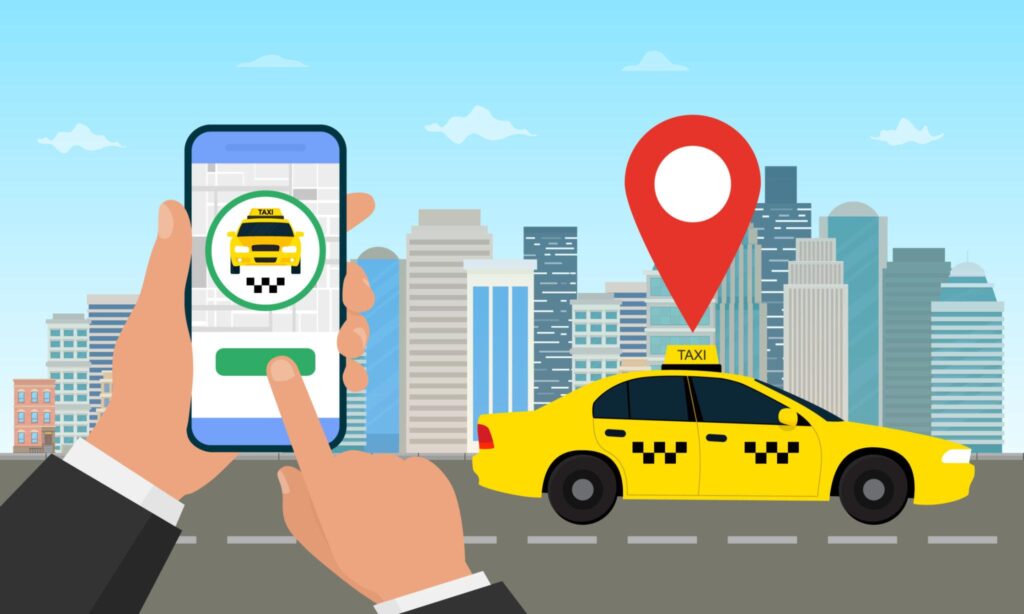
Uber’s founders experienced difficulty finding taxis during a snowy evening in Paris.
Their question was simple:
Why can’t we order a ride with one tap?
That question led to Uber.
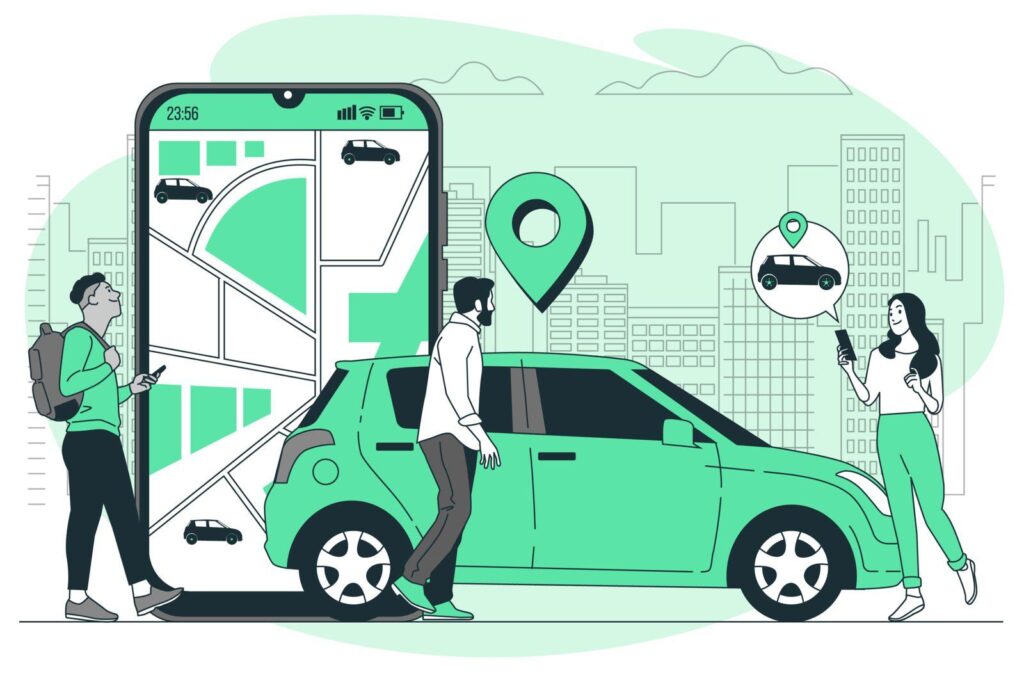
Instead of owning vehicles, Uber connected:
Drivers ↔ Passengers
through smartphones.
Initially available only in San Francisco, Uber expanded worldwide.
Today Uber offers:
- Taxi services
- Food delivery
- Freight logistics
- Grocery delivery
Its business transformed transportation forever.
4. Airbnb – Renting Air Mattresses
Airbnb began during a design conference in San Francisco.
Hotels were fully booked.
The founders rented air mattresses in their apartment.
Guests paid to stay overnight.
That experiment became:
Air Bed & Breakfast
The idea eventually evolved into Airbnb.
Today users can book:
- Apartments
- Villas
- Cabins
- Castles
- Tiny homes
- Luxury resorts
Airbnb operates in more than 220 countries and regions.
4.TikTok – Short Videos Changed Everything


Before TikTok, many believed users preferred longer videos.
TikTok proved otherwise.
Instead of lengthy content, it focused on:
- 15-second videos
- Powerful recommendation algorithms
- Infinite scrolling
- Personalized feeds
Its AI quickly learned user interests.
As engagement increased, creators earned millions of followers.
TikTok became one of the fastest-growing apps in history.
6. Spotify – Fighting Music Piracy
Years ago, illegal music downloads were everywhere.
Spotify offered a legal alternative.
Instead of downloading songs, users streamed music instantly.
Benefits included:
- Millions of songs
- Personalized playlists
- Offline downloads
- Podcasts
- Artist recommendations
Today Spotify serves hundreds of millions of listeners worldwide.
7. Snapchat – Photos That Disappear
Most messaging apps stored everything permanently.
Snapchat introduced disappearing messages.
Initially, many people criticized the idea.
However, younger users loved the privacy and spontaneity.
Innovations included:
- Stories
- Filters
- AR lenses
- Bitmoji
- Snap Map
Many competing platforms later adopted similar features.
8. YouTube – Sharing Videos Made Easy
The original YouTube concept was surprisingly simple:
Upload videos.
Watch videos.
Share videos.
No complicated editing.
No expensive equipment.
Anyone could become a creator.
Google acquired YouTube in 2006 for $1.65 billion.
Today it’s among the largest video platforms on Earth.
9. Facebook – Connecting College Students
Facebook originally targeted only Harvard students.
The goal:
Connect classmates online.
Soon other universities joined.
Then high schools.
Finally, the public.
Today billions of users rely on Facebook for:
- Communication
- Groups
- Marketplace
- Events
- Business marketing
10. Zoom – Better Online Meetings
Before remote work became mainstream, video conferencing often felt unreliable.
Zoom focused on:
- Better video quality
- Simpler meetings
- Stable connections
- One-click joining
During the COVID-19 pandemic, Zoom usage surged worldwide as businesses, schools, and families relied on virtual communication.
What These Apps Have in Common
Despite serving different markets, successful apps share several characteristics.
| Trait | Why It Matters |
|---|---|
| Solve one problem | Clear value attracts users |
| Easy to use | Less confusion increases adoption |
| Fast performance | Better user experience |
| Continuous updates | Keeps users engaged |
| Scalability | Supports millions of users |
| Customer feedback | Drives meaningful improvements |
Biggest Challenges They Faced
Even today’s tech giants encountered significant obstacles.
Some common challenges included:
- Lack of funding
- Investor rejection
- Technical failures
- Server crashes
- Competition
- User acquisition
- Monetization
Persistence played a major role in their eventual success.
Lessons for Aspiring App Developers
If you’re planning to build an app, consider these insights:
- Start with a real problem.
- Launch a simple version first.
- Listen to user feedback.
- Improve continuously.
- Don’t wait for perfection.
- Focus on user experience.
- Build trust through reliability.
Many successful companies began with a Minimum Viable Product (MVP)—a basic version used to test ideas before investing heavily in new features.
The Future of Billion-Dollar Apps
The next generation of successful apps is likely to focus on:
- Artificial Intelligence (AI)
- Wearable technology
- Smart home automation
- Health monitoring
- Financial technology (FinTech)
- Education technology (EdTech)
- Mixed Reality (AR/VR)
- Robotics integration
As smartphones become more powerful and internet access expands, opportunities for innovative apps will continue to grow.
Conclusion
The stories behind billion-dollar apps show that extraordinary success often begins with ordinary ideas. WhatsApp simplified messaging, Instagram refined photo sharing, Uber reimagined transportation, and Airbnb turned spare rooms into a global marketplace.
Their founders didn’t succeed because they had perfect plans—they succeeded because they identified genuine problems, built practical solutions, listened to users, and kept improving.
For aspiring developers and entrepreneurs, the takeaway is clear: start small, focus on solving a real problem exceptionally well, and remain adaptable. Today’s simple idea could become tomorrow’s global platform.
Frequently Asked Questions (FAQs)
Which app reached a billion-dollar valuation the fastest?
Several apps have reached billion-dollar valuations quickly, but Instagram became one of the fastest after being acquired for $1 billion just two years after launch.
Do billion-dollar apps always start with large investments?
No. Many began with limited resources and small teams, focusing first on solving a specific user problem.
What makes an app successful?
Success often comes from a combination of solving a real need, offering a great user experience, iterating based on feedback, and scaling effectively.
Can one person build a successful app?
Yes. Many founders started alone or with one partner. As the product gained traction, they expanded their teams.