
Table of Contents
- What Are QR Code Scams?
- Why QR Codes Are Everywhere
- How QR Code Scams Work
- Types of QR Code Scams
- Real-Life Examples
- Why QR Scams Are Increasing
- Warning Signs
- How to Stay Safe
- Businesses Are Also Targets
- What to Do If You Scanned a Malicious QR Code
- Future of QR Code Security
- Frequently Asked Questions
- Final Thoughts
What Are QR Code Scams?
QR Code Scams, also called Quishing (QR Phishing), are cyber attacks where criminals use fake QR codes to trick people into visiting dangerous websites, downloading malware, or stealing sensitive information.
Unlike traditional phishing emails, QR scams bypass human suspicion because QR codes appear harmless.
Instead of clicking a suspicious link, victims simply scan a QR code.
Within seconds, they may unknowingly enter their:
- Banking credentials
- Credit card details
- Google account passwords
- Social media logins
- Personal identity information
This growing attack method has become one of the fastest-growing cyber threats worldwide.
How QR Code Scams Work
The attack is surprisingly simple.
Step 1
The attacker creates a malicious website.
Example:
Instead of
https://bank.comthey create
https://secure-bank-login.xyzStep 2
They generate a QR code pointing to the fake website.
Step 3
They paste the fake QR code over legitimate ones.
Examples include:
- Parking meters
- Restaurant tables
- Posters
- Public charging stations
- Airport advertisements
Step 4
Victims scan the QR code.
Instead of checking the URL carefully, many people trust the QR code automatically.
Step 5
The fake website asks for:
- Login credentials
- Credit card information
- OTP codes
- Banking PINs
Within minutes, criminals gain access to the victim’s accounts.
Common Types of QR Code Scams
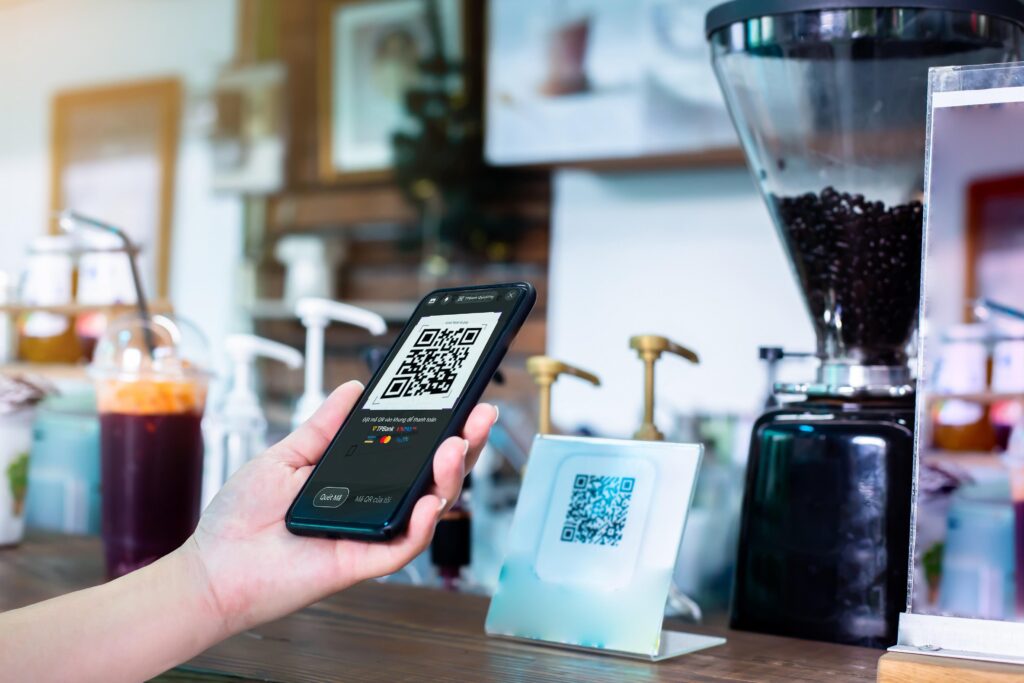
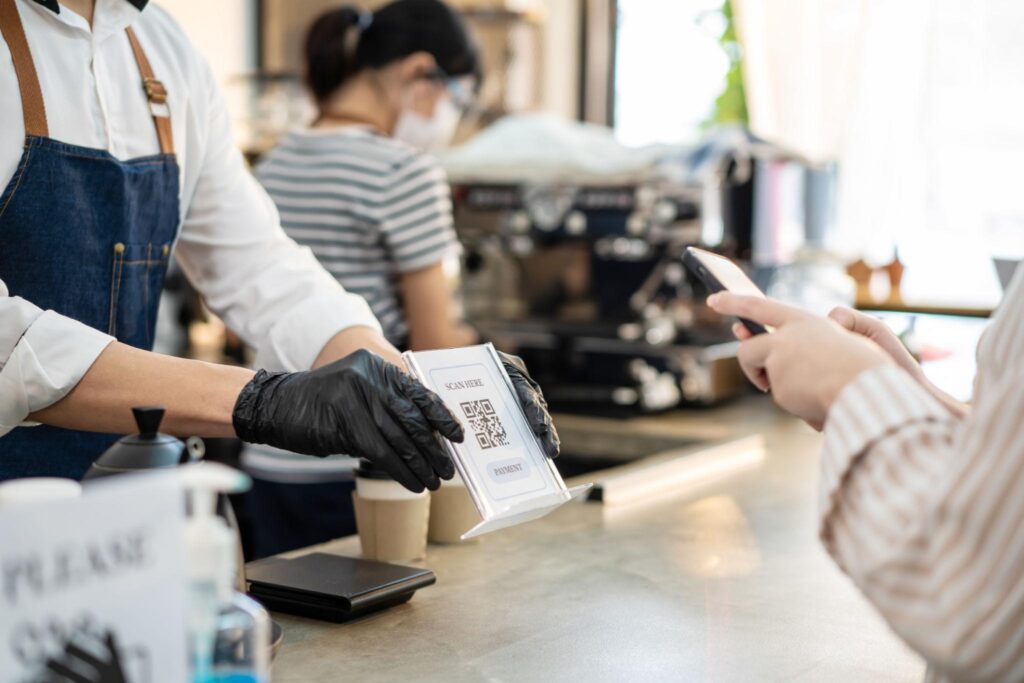
1. Fake Payment QR Codes
Scammers replace payment QR codes in:
- Coffee shops
- Grocery stores
- Charity donation boxes
- Street vendors
Instead of paying the merchant, the money goes directly to criminals.
2. Parking Meter Scams
One of the fastest-growing scams.
Attackers place fake QR stickers on parking machines.
Drivers think they’re paying for parking.
Instead, they submit:
- Card numbers
- Addresses
- Vehicle details
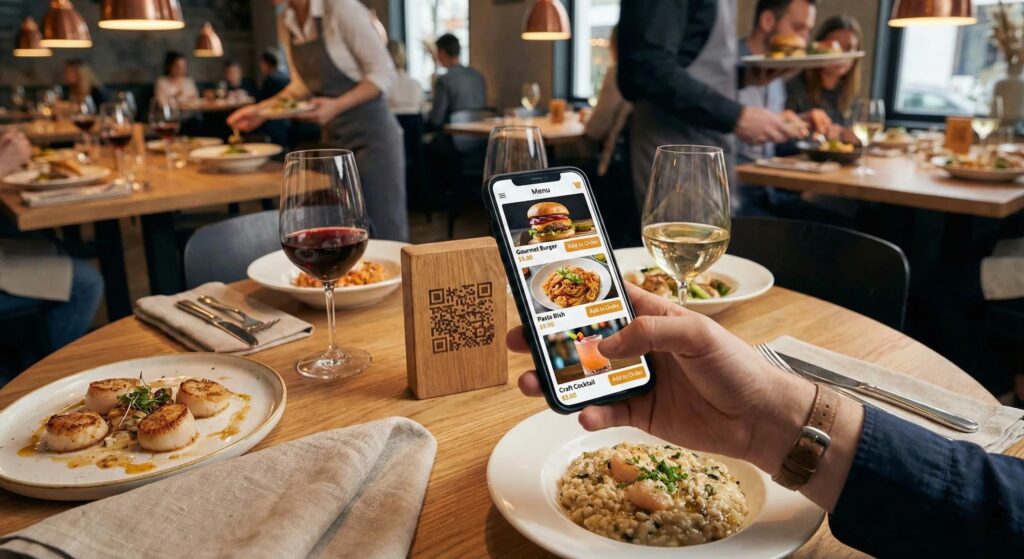
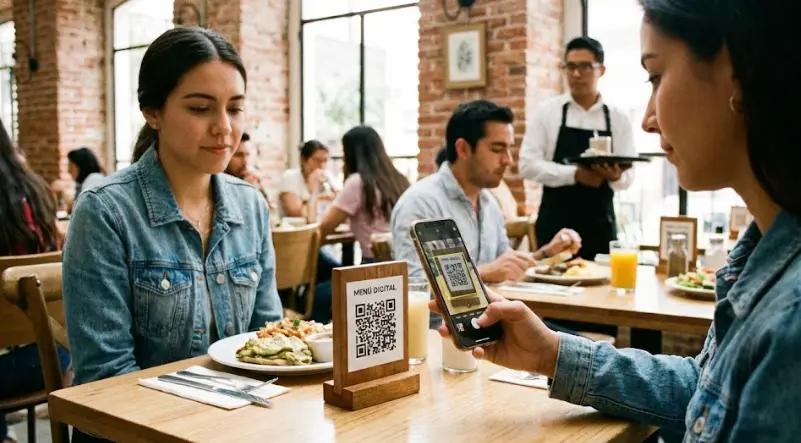
3. Restaurant Menu Scams
Many restaurants use QR menus.
Criminals sometimes replace them with fake stickers leading to phishing websites.
4. Fake Wi-Fi Login QR Codes
You scan a QR code expecting free Wi-Fi.
Instead, it installs malware or asks for login credentials.
5. Cryptocurrency QR Code Scams
Crypto wallets rely heavily on QR codes.
Scammers alter wallet addresses so victims unknowingly transfer cryptocurrency to attackers.
Since crypto transactions are irreversible, recovering funds is nearly impossible.
6. Delivery Scams
Victims receive packages with QR codes claiming:
Scan here to confirm delivery.
The QR leads to fake courier websites requesting payment or personal information.
7. Job Offer Scams
Recruiters send QR codes promising:
- High-paying jobs
- Visa applications
- Work-from-home positions
Victims are redirected to fake portals requesting ID documents and banking information.
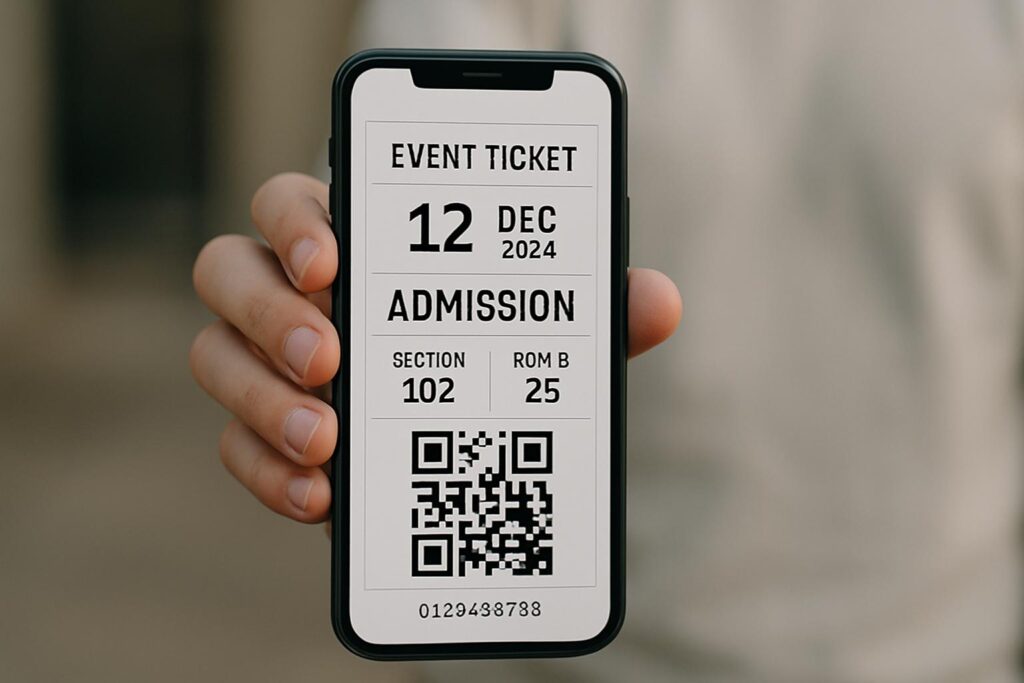
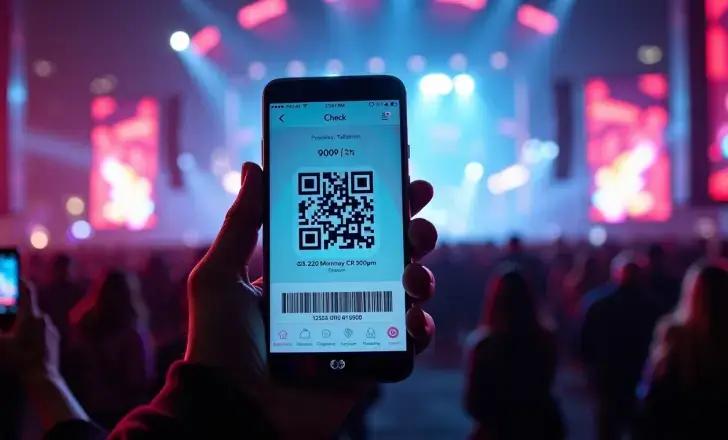
8. Event Ticket Scams
Fake QR codes on social media promise:
- Concert tickets
- Sports events
- VIP passes
Instead of genuine tickets, users lose money.
Why QR Code Scams Are Increasing
Several factors contribute to their rise:
People Trust QR Codes
Most users assume QR codes are safe.
Hidden URLs
Unlike regular links, the destination isn’t always obvious before scanning.
Mobile Devices
Most QR codes open on smartphones.
Phones often display fewer security warnings than desktop browsers.
Easy to Create
Free online QR generators make it simple for attackers.
Low Cost
Printing fake QR stickers costs almost nothing.
Real-Life Scam Scenario
Imagine this situation:
Sarah parks her car in a busy city.
She notices a QR code on the parking meter.
She scans it.
The page looks professional.
She enters:
- Card number
- Expiry date
- CVV
- Phone number
The payment appears successful.
Hours later:
- Multiple fraudulent purchases appear.
- Her bank account is compromised.
- Criminals use her saved information elsewhere.
This entire scam took less than two minutes.
Warning Signs
Be cautious if:
- QR code is placed as a sticker over another QR code.
- Website asks for unnecessary information.
- URL contains spelling mistakes.
- Website lacks HTTPS.
- Payment page feels unusual.
- You’re rushed into scanning.
- Unknown sender emails you a QR code.
- The offer seems too good to be true.
How to Stay Safe


Preview the URL
Many smartphones display the destination before opening it.
Always read the domain carefully.
Avoid Random QR Codes
Do not scan codes from:
- Lamp posts
- Unknown flyers
- Suspicious emails
- Random text messages
Inspect Stickers
If the QR code appears pasted over another one, avoid scanning it.
Type Official Websites Manually
Instead of scanning,
visit:
www.companyname.comEnable Multi-Factor Authentication
Even if passwords are stolen, MFA can stop attackers.
Keep Your Phone Updated
Install the latest security updates.
Use Mobile Security Apps
Trusted mobile antivirus software can block malicious websites.
Verify Before Paying
Double-check payment details before confirming.
Businesses Are Also Targets
Companies increasingly rely on QR codes for:
- Payments
- Marketing
- Product authentication
- Customer feedback
Attackers replace official QR codes with fake ones, damaging customer trust and causing financial losses.
Businesses should:
- Inspect QR codes regularly.
- Use tamper-resistant labels.
- Educate employees.
- Monitor customer complaints.
- Digitally sign QR campaigns where possible.
What Should You Do If You Scan a Fake QR Code?
Act quickly.
If you entered passwords
Change them immediately.
If you entered banking information
Contact your bank immediately.
Freeze affected cards if necessary.
If you downloaded an app
Delete it immediately.
Run a malware scan.
Monitor Accounts
Watch for:
- Unauthorized logins
- Strange transactions
- Password reset emails
Report the Scam
Notify:
- The affected business
- Your bank
- Local cybercrime authorities
Prompt reporting may help prevent further victims.
The Future of QR Code Security
As QR codes become even more integrated into daily life, security technologies are evolving.
Emerging solutions include:
- Encrypted QR codes
- Digitally signed QR codes
- AI-powered phishing detection
- Browser-based threat intelligence
- Real-time URL reputation checks
However, technology alone cannot eliminate scams. User awareness remains the strongest defense.
Frequently Asked Questions
Are QR codes themselves dangerous?
No. A QR code is simply a way to encode information, such as a web address or contact details. The risk comes from what the QR code points to.
Can a QR code install malware automatically?
In most cases, scanning a QR code alone does not install malware. However, it can direct you to a malicious website or trick you into downloading a harmful app.
How can I tell if a QR code is fake?
Look for signs such as stickers placed over existing codes, unusual URLs, poor-quality printing, or requests for sensitive information that seem unrelated to the service.
Are QR code payment apps safe?
Yes, when you use official payment apps and verify the recipient before confirming the transaction. Always double-check the merchant name and payment details.
What should I do if I accidentally scanned a suspicious QR code?
Close the webpage immediately if you haven’t entered any information. If you submitted personal or financial details, change your passwords, contact your bank, and monitor your accounts for suspicious activity.
Final Thoughts
QR codes have transformed the way we pay, access information, and interact with businesses. Their convenience, however, has also created opportunities for cybercriminals to exploit unsuspecting users through phishing, fake payments, and identity theft.
The best protection is a combination of awareness and caution. Always verify where a QR code leads before entering sensitive information, inspect public QR codes for tampering, and use strong security practices such as multi-factor authentication. By staying vigilant, you can continue enjoying the convenience of QR technology while significantly reducing the risk of becoming a victim of a QR code scam.