
How Google Search Works Behind the Scenes

Google Search has become an essential part of everyday life. Whether you’re looking for a recipe, checking the weather, researching a product, or learning a new skill, Google processes billions of searches every day and delivers relevant results in fractions of a second.
But have you ever wondered what happens after you type a query and press Enter? The answer involves an incredibly sophisticated system of web crawlers, massive data centers, advanced indexing, and ranking algorithms powered by artificial intelligence.
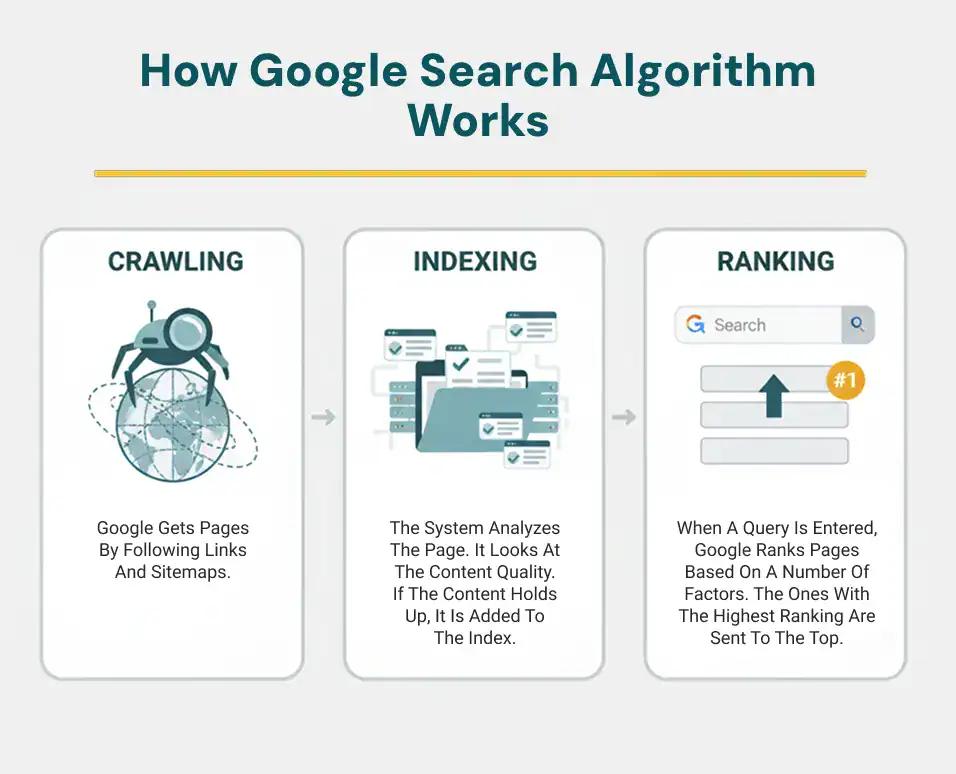
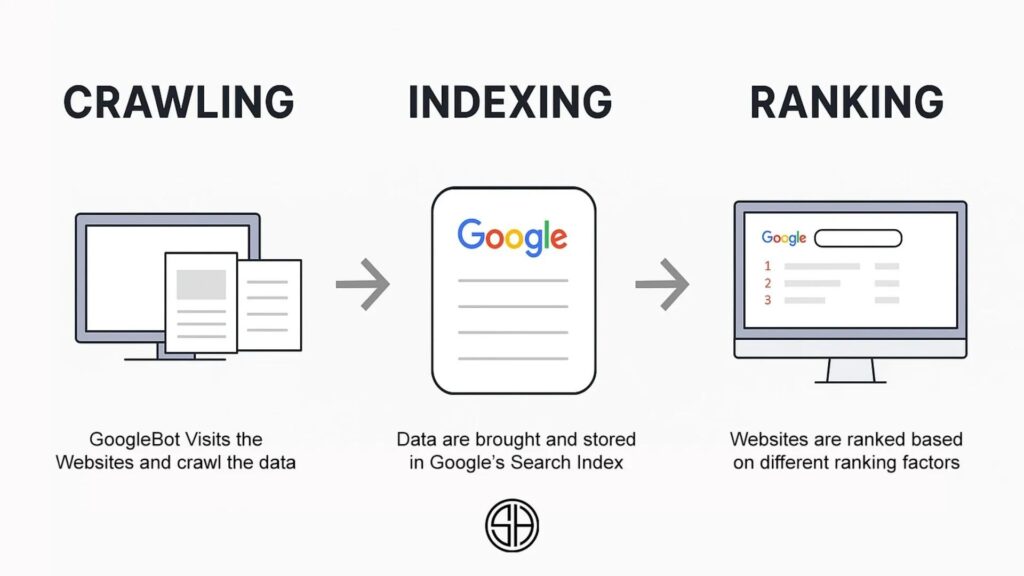
In this guide, you’ll learn how Google Search works behind the scenes in simple terms, including the four major stages: crawling, indexing, ranking, and serving results.
Why Understanding Google Search Matters
If you own a website, run a blog, manage an online business, or simply want to understand how search engines work, knowing the basics of Google Search can help you:
- Improve your website’s visibility
- Create content people can find
- Understand SEO best practices
- Troubleshoot indexing issues
- Build a better user experience
The Journey of a Google Search
When you search for something, Google typically goes through these stages:
- Understanding your query
- Finding matching pages in its index
- Ranking the best results
- Displaying the search results page
Although this process feels instantaneous, it relies on years of engineering and a constantly updated index of the web.
Step 1: Crawling – Discovering Web Pages


Before Google can show a webpage in search results, it first needs to discover that page.
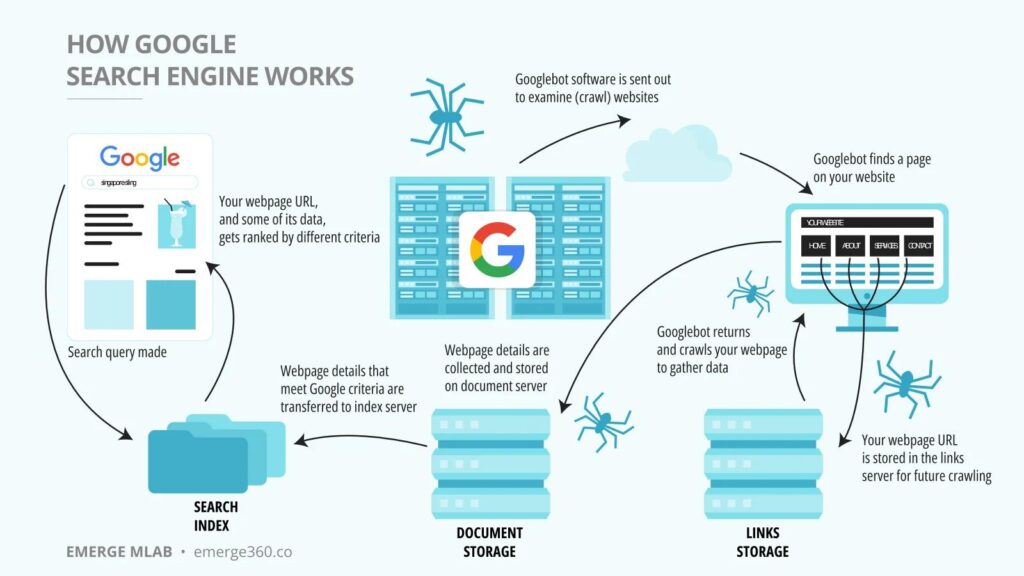
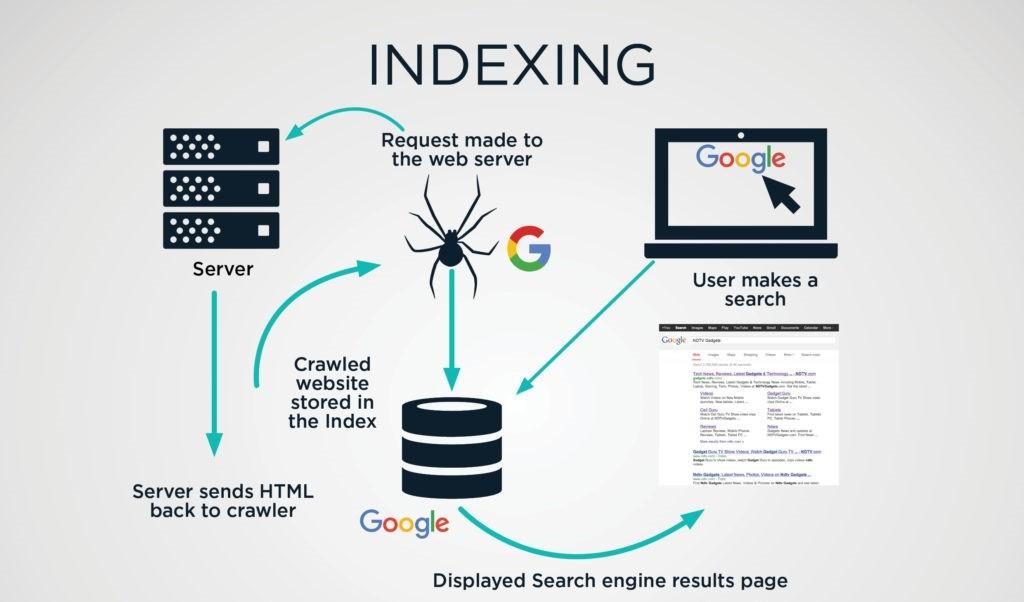
This is done by automated software called web crawlers (often referred to as “Googlebot”).
How Crawling Works
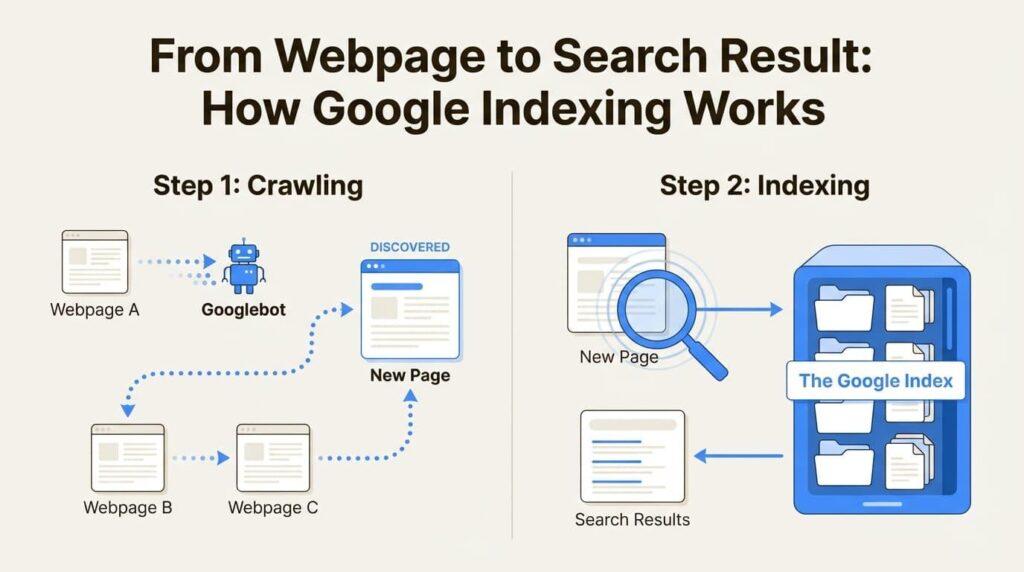
Googlebot starts with a list of known webpages and follows links from one page to another, much like a person browsing the web.
It collects information such as:
- Page URLs
- Text content
- Images
- Videos
- Metadata
- Internal and external links
- Structured data
If your website is new, Google may discover it through:
- Links from other websites
- XML sitemaps
- Previously indexed pages
- Manual submission through Google Search Console
Factors That Affect Crawling
Google may crawl your website more often if:
- You publish fresh content regularly.
- Your website loads quickly.
- Other reputable websites link to you.
- Your site has a clear internal linking structure.
Step 2: Indexing – Organizing the Web
Finding a page isn’t enough. Google also needs to understand and store its information.
This stage is called indexing.
Think of Google’s index as a massive digital library. Instead of storing entire books, it stores information about billions of webpages so they can be retrieved quickly when someone searches.
During indexing, Google analyzes:
- Main content
- Headings
- Keywords
- Images and alt text
- Page titles
- Meta descriptions
- Canonical tags
- Structured data
- Mobile usability
If Google can’t understand or access a page, it may not be indexed.
Why Some Pages Aren’t Indexed
Common reasons include:
noindexmeta tags- Blocked by
robots.txt - Duplicate content
- Thin or low-value content
- Server errors
- Poor internal linking
Step 3: Understanding Your Search Query
Before Google can find the best answer, it needs to understand what you’re asking.
Modern search goes far beyond matching exact keywords.
Google considers:
- Search intent
- Synonyms
- Spelling corrections
- Natural language
- Location (when relevant)
- Search history (for signed-in users)
- Current trends
- Freshness requirements
For example, if you search:
Google understands you’re looking for buying recommendations—not the definition of a phone.
Step 4: Ranking – Choosing the Best Results


Ranking is where Google decides the order in which pages appear.
Hundreds of signals are considered, including:
Relevance
Does the page answer the user’s question?
Content Quality
Is the information useful, original, and comprehensive?
Expertise and Trust
Content created with clear expertise, accurate information, and trustworthy sourcing is more likely to satisfy users.
Page Experience
Google evaluates aspects such as:
- Mobile friendliness
- Fast loading times
- Secure HTTPS connections
- Stable page layout
Freshness
For topics like news or product releases, newer content may be preferred.
Links
Links from reputable websites can signal that a page is valuable, although link quality matters more than quantity.
The Role of Artificial Intelligence
Google increasingly uses AI to improve search quality.
AI helps with:
- Understanding conversational queries
- Recognizing relationships between concepts
- Identifying helpful content
- Improving language understanding
- Reducing spam
- Delivering more relevant results
This means creators should focus on writing naturally for people instead of trying to “game” search engines.
Featured Results and Search Features


Google Search is more than a list of blue links.
Depending on the query, you may see:
- Featured snippets
- Images
- Videos
- News
- Maps
- Shopping results
- Knowledge panels
- “People also ask” sections
Google chooses these formats based on what it believes will best answer the user’s query.
How Google Keeps Its Index Updated
The web changes constantly.
Google regularly revisits websites to:
- Discover new pages
- Detect updates
- Remove deleted pages
- Refresh indexed content
- Identify broken links
Frequently updated, high-quality websites are often revisited more often than inactive ones.
What Is SEO and Why Does It Matter?
Search Engine Optimization (SEO) is the practice of improving your website so search engines can better understand it and users can more easily find it.
Good SEO includes:
- Helpful, original content
- Clear page titles
- Logical headings
- Descriptive image alt text
- Internal links
- Fast page speed
- Mobile-friendly design
- Secure HTTPS
SEO is not about tricking Google—it’s about making your content accessible and useful.
Common Myths About Google Search
Myth: More keywords always improve rankings.
Reality: Overusing keywords can make content harder to read and isn’t a ranking strategy.
Myth: Paying Google guarantees higher rankings.
Reality: Advertising and organic search rankings are separate.
Myth: Publishing daily guarantees success.
Reality: Consistently publishing high-quality content is generally more effective than posting frequently with little value.
Myth: More backlinks are always better.
Reality: High-quality, relevant links are more valuable than large numbers of low-quality links.
Tips to Help Your Website Perform Better
- Create original, helpful content.
- Organize articles with clear headings.
- Add descriptive images with alt text.
- Link related articles together.
- Keep your website fast and mobile-friendly.
- Update older articles when information changes.
- Monitor indexing and performance using Google Search Console.
Frequently Asked Questions (FAQs)
How long does Google take to index a new page?
It varies. Some pages are indexed within hours, while others may take days or weeks depending on factors like crawl frequency, site quality, and internal linking.
Does Google rank new websites immediately?
New websites can appear in search results, but building visibility often takes time as Google gathers more signals about the site’s content and quality.
Can I ask Google to crawl my page?
Yes. You can submit a URL for crawling through Google Search Console after verifying ownership of your website.
What is the difference between crawling and indexing?
Crawling is the process of discovering webpages. Indexing is the process of analyzing and storing information about those pages so they can appear in search results.
Is SEO still important in 2026?
Yes. While search algorithms continue to evolve, creating useful content and maintaining a technically sound website remain fundamental principles.
Conclusion
Google Search works through a sophisticated process of discovering webpages, understanding their content, storing them in a massive index, and ranking the most relevant results for each search query. While the technology behind it is highly advanced, the underlying goal remains simple: helping people find reliable and useful information quickly.
For website owners and content creators, the best long-term strategy is to focus on high-quality, user-first content, maintain a technically healthy website, and make it easy for both users and search engines to understand what each page is about.