
AI Video Generators Are Revolutionizing Filmmaking: Will Movies Ever Be the Same?
From Hollywood studios experimenting with AI-assisted visual effects to independent creators producing cinematic short films from simple text prompts, the entertainment industry is entering a new era. But are AI video generators truly capable of replacing traditional filmmaking? Or are they simply powerful tools that enhance creativity?
In this article, we’ll explore how AI video generators work, their impact on the film industry, the advantages and limitations of AI filmmaking, and whether movies are about to change forever.
What Are AI Video Generators?
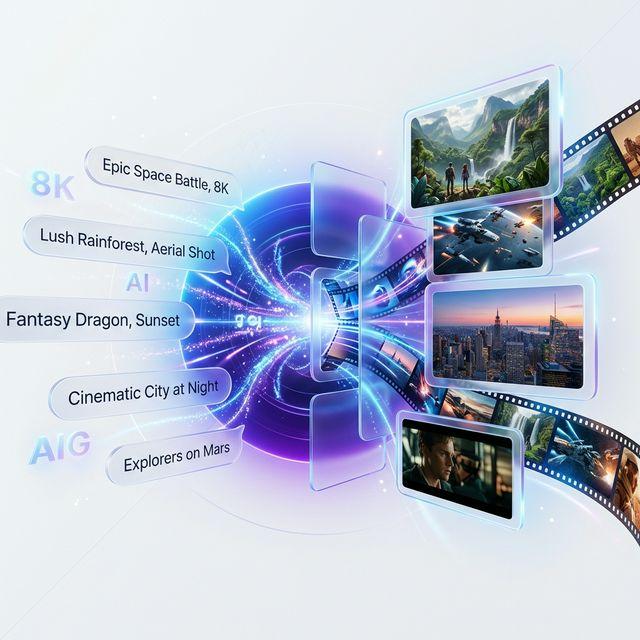
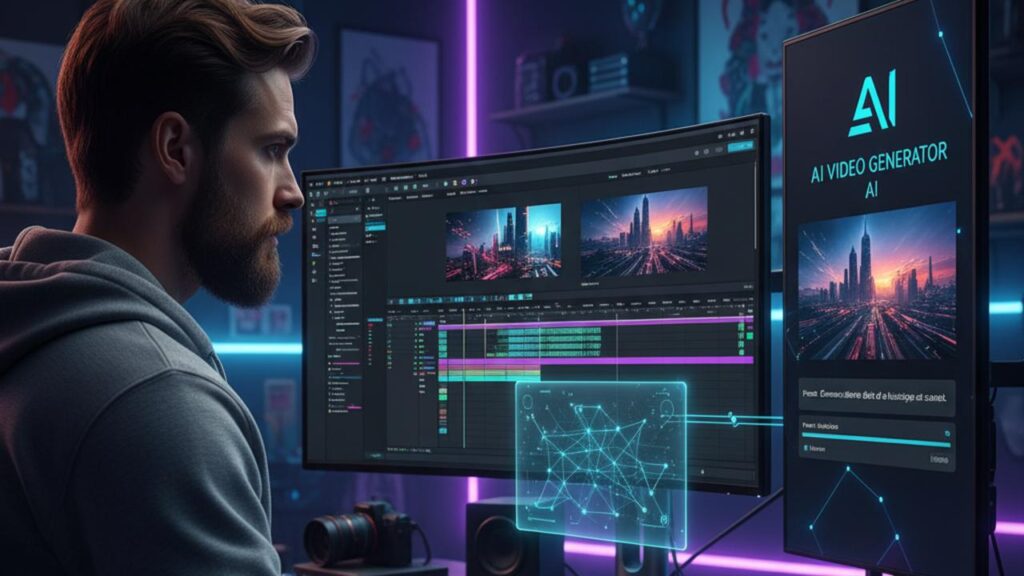
AI video generators are software platforms that use machine learning and generative AI models to create videos from text prompts, images, audio, or existing footage. Instead of manually animating scenes or recording with cameras, users describe what they want, and the AI generates the visuals.
Modern AI video tools can create:
- Cinematic scenes
- Animated videos
- Marketing advertisements
- Product demonstrations
- Educational videos
- Social media reels
- YouTube Shorts
- Music videos
- Visual effects
- Character animations
Many of today’s AI models also generate synchronized camera movements, lighting, realistic physics, facial expressions, and voice narration.
How AI Video Generators Work
Although each platform uses different technologies, the basic process is similar.
- The user enters a text prompt or uploads reference media.
- The AI interprets the request using large language and vision models.
- A diffusion or generative model creates video frames.
- Motion prediction algorithms generate realistic movement between frames.
- AI enhances details such as lighting, shadows, facial expressions, and camera motion.
- Audio, subtitles, and voiceovers can be added automatically.
The result is a video that often appears professionally produced, even without traditional filmmaking equipment.
Why AI Video Generators Are Becoming So Popular
AI-generated video has exploded in popularity because it dramatically reduces the time and cost of content creation.
Faster Production
Creating a cinematic sequence traditionally involves scripting, casting, filming, editing, and post-production. AI can generate draft scenes within minutes, allowing creators to iterate rapidly.
Lower Costs
Independent filmmakers and small businesses can produce high-quality visuals without renting expensive equipment or hiring large production teams.
Greater Accessibility
People with little or no editing experience can create professional-looking videos simply by describing what they want.
Creative Freedom
AI makes it easier to visualize imaginative worlds, futuristic cities, fantasy creatures, and historical settings that would otherwise require expensive visual effects.
AI in Hollywood
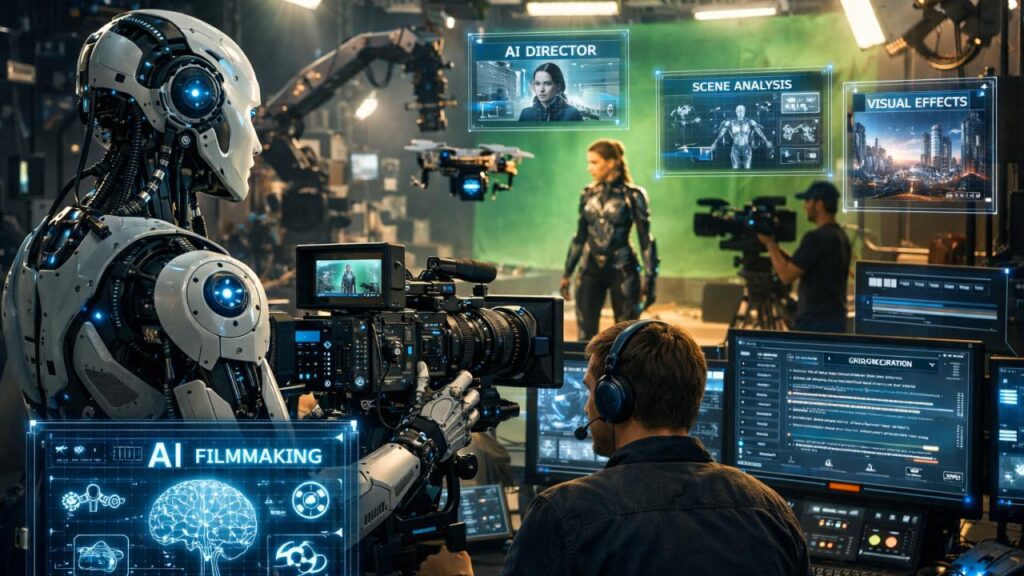
Major film studios have already started using AI for various parts of production rather than replacing filmmakers entirely.
AI is helping with:
- Storyboarding
- Visual effects (VFX)
- Background generation
- Scene previsualization
- Voice restoration
- Digital de-aging
- Color grading
- Audio cleanup
- Subtitle generation
- Video upscaling
Instead of replacing creative professionals, AI often acts as a productivity tool that accelerates repetitive tasks.
Popular Uses Beyond Movies
AI video generators are also transforming industries outside filmmaking.
Marketing
Brands use AI to produce advertisements, social media campaigns, and promotional videos much faster than traditional production methods.
Education
Teachers and organizations create engaging educational videos using AI-generated animations and avatars.
Gaming
Game developers use AI to generate cinematic trailers, concept animations, and cutscenes during development.
YouTube Content Creation
Creators can produce faceless videos, explainers, travel simulations, and storytelling content with minimal equipment.
Advantages of AI Video Generators
Significant Time Savings
Projects that once required weeks can now be completed in hours.
Cost Efficiency
Smaller budgets can still achieve visually impressive results.
Rapid Prototyping
Directors can quickly test multiple visual styles before investing in full production.
Multilingual Content
AI can generate subtitles, translations, and dubbed voiceovers for global audiences.
Improved Accessibility
People without professional filmmaking experience can create high-quality visual content.
Challenges and Limitations
Despite impressive progress, AI video generation still has limitations.
Inconsistent Motion
Complex scenes may contain unrealistic movement or visual artifacts.
Character Consistency
Maintaining the same appearance across long videos remains challenging for many AI systems.
Creative Control
AI sometimes interprets prompts differently than intended, requiring multiple revisions.
Ethical Concerns
The rise of AI-generated media has increased concerns about deepfakes, misinformation, and unauthorized use of likenesses.
Copyright Questions
Legal frameworks surrounding AI-generated content continue to evolve, making intellectual property an important consideration for creators.
Can AI Replace Human Directors?
The short answer is not entirely.
Directors bring emotional storytelling, artistic vision, and collaboration with actors—qualities that AI cannot fully replicate.
However, AI excels at assisting with technical tasks, generating concepts, and speeding up production workflows.
The future is likely to involve collaboration, where AI handles repetitive production work while humans focus on storytelling and creative decision-making.
Best Applications for AI Video Generators
AI video generators perform especially well in:
- Promotional videos
- Educational content
- Product demos
- Explainer videos
- Storyboarding
- Animated shorts
- Social media content
- Concept trailers
- Marketing campaigns
These areas benefit from rapid production and frequent content updates.
The Future of AI in Filmmaking
As AI models continue improving, future capabilities may include:
- Feature-length AI-assisted movies
- Real-time cinematic rendering
- Interactive storytelling
- Personalized films tailored to individual viewers
- Hyper-realistic digital actors
- AI-powered virtual production sets
- Instant multilingual releases
- Improved character consistency across long scenes
Rather than eliminating traditional filmmaking, AI is expected to become another essential tool in the creative process.
Final Verdict
AI video generators are changing filmmaking at an unprecedented pace. They reduce production costs, accelerate workflows, and empower independent creators to produce cinematic content that was once out of reach.
However, successful filmmaking is still about compelling stories, memorable characters, and emotional connections—areas where human creativity remains essential.
The most exciting future is not one where AI replaces filmmakers, but one where filmmakers use AI to push creative boundaries further than ever before.
If current trends continue, AI video generators will become a standard part of movie production, advertising, education, and digital entertainment. The question is no longer whether AI will influence filmmaking—it already has. The real question is how creators will use these powerful tools responsibly and creatively.
Frequently Asked Questions
What are AI video generators?
AI video generators are tools that create videos from text prompts, images, or other media using artificial intelligence.
Can AI make full-length movies?
AI can assist with many stages of filmmaking, but complete feature films still require significant human creativity, direction, and editing.
Are AI-generated videos legal?
In many regions, AI-generated content is legal, but creators should respect copyright, licensing, privacy, and applicable regulations.
Which industries benefit most from AI video generation?
Marketing, education, entertainment, gaming, social media, advertising, and corporate training all benefit from AI-powered video creation.
Will AI replace filmmakers?
AI is more likely to enhance filmmaking by automating repetitive tasks while leaving storytelling and artistic direction to humans.