
What Are Deepfake Scams?
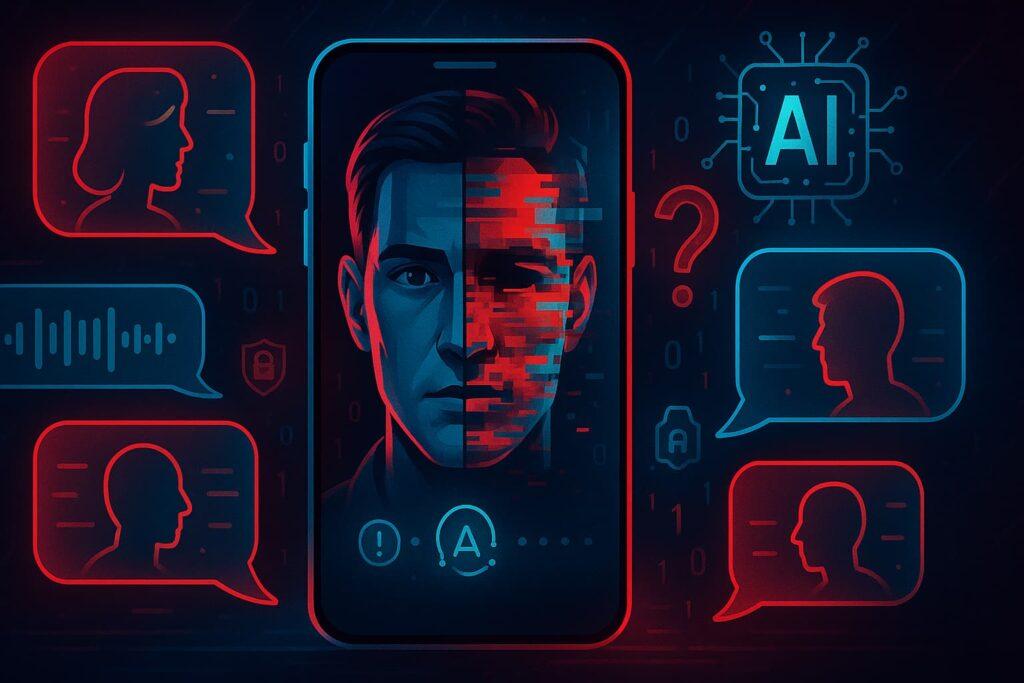
Artificial Intelligence has transformed content creation, but it has also enabled cybercriminals to create deepfake scams. These scams use AI-generated videos, images, or voices to impersonate real people and deceive victims into sharing money, passwords, or sensitive information.
The phrase “Deepfake Scams: How to Spot Them” has become increasingly important as these attacks grow more sophisticated. Whether it’s a fake CEO requesting a bank transfer or a cloned voice pretending to be a family member in distress, deepfake scams can be convincing.
Understanding how they work is the first step toward protecting yourself.



How Deepfake Technology Works
Deepfakes are created using advanced machine learning models that analyze thousands of images, videos, or audio recordings of a person. The AI then generates realistic fake media that mimics facial expressions, voice, and speech patterns.
Criminals typically collect data from:
- Social media videos
- Public interviews
- YouTube clips
- Podcasts
- Photos posted online
With enough training data, AI can create convincing fake content within hours.
Why Deepfake Scams Are Increasing
Several factors have contributed to the rise of deepfake fraud:
- AI tools have become easier to use.
- High-quality voice cloning software is widely available.
- People share more personal content online than ever before.
- Businesses increasingly rely on digital communication.
- Cybercriminals can automate attacks at scale.
As AI technology improves, distinguishing real content from fake becomes more difficult.
Types of Deepfake Scams
1. Voice Cloning Scams
Scammers clone someone’s voice and call family members or colleagues asking for urgent financial help.
Example:
A fake call claiming your child has been in an accident and urgently needs money.
2. Video Call Deepfakes
Attackers use AI-generated video during live meetings to impersonate executives, clients, or business partners.
These scams often target businesses by requesting confidential information or authorizing payments.
3. Celebrity Investment Scams
Fake videos of well-known personalities promote fraudulent cryptocurrency or investment schemes.
These videos often circulate on social media with promises of guaranteed profits.
4. Fake Customer Support
Scammers impersonate representatives from banks or technology companies using cloned voices or AI-generated avatars.
They may ask for:
- OTPs
- Banking credentials
- Remote device access
- Personal identification details
5. Job Recruitment Scams
Fraudsters create fake interviews or recruiter videos to trick job seekers into paying fees or sharing sensitive documents.
Deepfake Scams: How to Spot Them
Recognizing the warning signs is essential.
Watch for Unnatural Facial Movements
Deepfake videos may display:
- Poor lip synchronization
- Unnatural blinking
- Blurred facial edges
- Strange lighting inconsistencies
Listen Carefully to the Voice
AI-generated voices may sound realistic but can include:
- Robotic pauses
- Unnatural breathing
- Incorrect emotional tone
- Odd pronunciation
Verify Unexpected Requests
Be cautious if someone suddenly asks for:
- Money transfers
- Gift cards
- Cryptocurrency
- Passwords
- Confidential company information
Always confirm through another communication channel.
Examine Video Quality
Signs of manipulation include:
- Flickering around the face
- Blurry teeth
- Distorted ears or hair
- Inconsistent shadows
Check the Source
Always verify:
- Official email address
- Verified social media accounts
- Trusted websites
- Phone numbers
Never trust forwarded videos without verification.
Common Red Flags
If you notice several of these together, exercise caution:
- Urgent requests for money
- Pressure to act immediately
- Refusal to verify identity
- Poor audio quality
- Strange facial expressions
- Requests for OTPs or passwords
- Unexpected investment offers
- Emotional manipulation
Real-Life Deepfake Scam Scenarios
Fake CEO Payment Request
An employee receives a convincing video call from someone appearing to be the company’s CEO requesting an urgent wire transfer.
Family Emergency Call
A cloned voice claims a loved one has been kidnapped or injured and demands immediate payment
Fake Political Videos
Manipulated speeches are used to spread misinformation or influence public opinion.
How to Protect Yourself
Verify Before Acting
If someone requests money or sensitive information, contact them using a known phone number or official communication channel.
Enable Multi-Factor Authentication
MFA adds an extra layer of security even if passwords are compromised.
Limit Public Personal Content
Reduce publicly available voice recordings and personal videos whenever possible.
Keep Software Updated
Security updates help protect against malware that may be used alongside deepfake attacks.
Educate Family Members
Discuss common scam techniques with elderly relatives and children, who are often targeted.
Trust Your Instincts
If something feels suspicious, pause and verify before responding.
Best AI Tools for Detecting Deepfakes
Several organizations are developing tools to detect manipulated media by analyzing facial inconsistencies, metadata, and AI-generated artifacts.
While no detection method is perfect, combining automated detection with human verification provides the best protection.
The Future of Deepfake Scams
AI-generated content will continue improving, making scams harder to detect. However, advances in digital watermarking, authentication technologies, and AI-powered detection systems are expected to help individuals and organizations verify the authenticity of digital content.
Public awareness and cybersecurity education will remain essential in reducing the success of these attacks.
Frequently Asked Questions
What are deepfake scams?
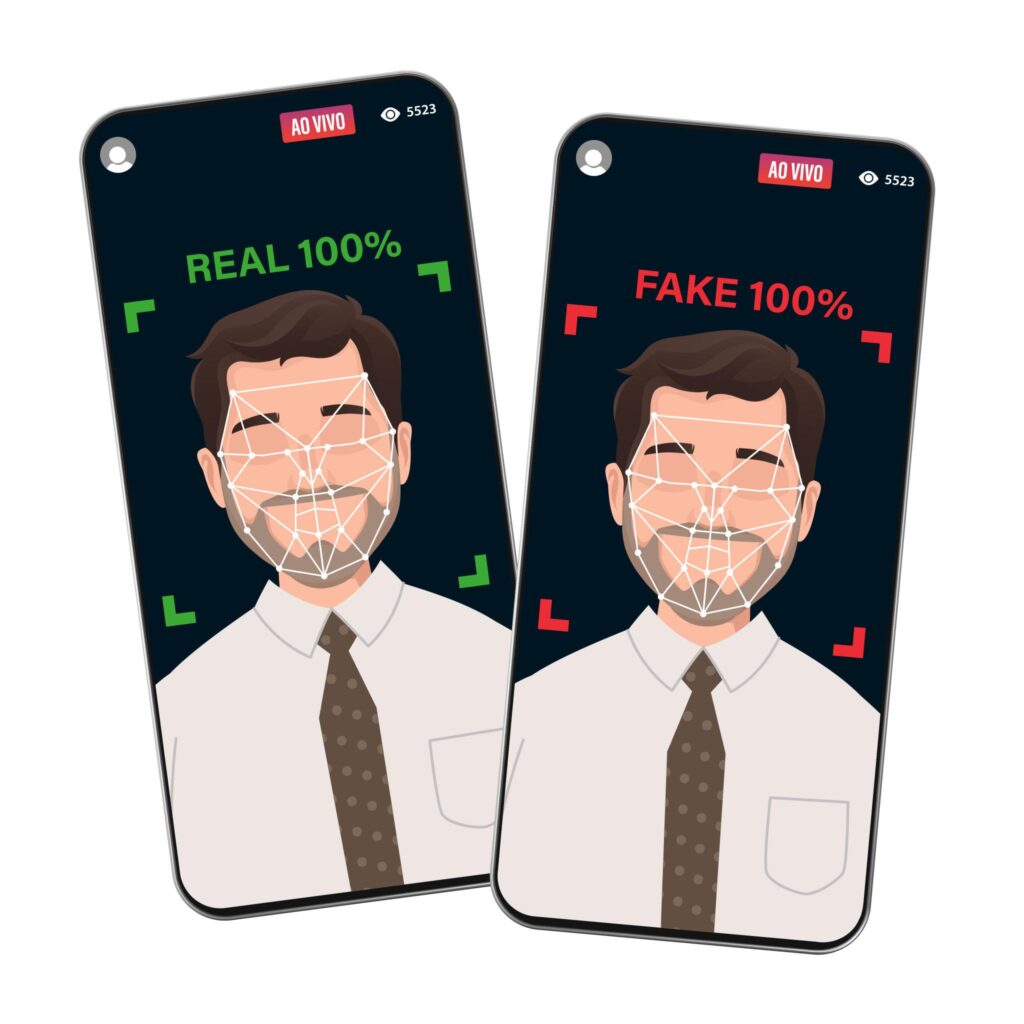
Deepfake scams use AI-generated videos, images, or voices to impersonate real people and deceive victims into sharing money or sensitive information.
How can I identify a deepfake video?
Look for unnatural facial movements, poor lip synchronization, inconsistent lighting, distorted features, and unusual audio quality.
Are deepfake scams illegal?
Yes. Using deepfake technology for fraud, identity theft, or financial deception is illegal in many jurisdictions.
Can AI detect deepfake videos?
AI-powered detection tools can identify many manipulated videos, but no system is 100% accurate. Human verification remains important.
How do scammers clone someone’s voice?
They train AI models using publicly available audio recordings from videos, podcasts, or social media.
What should I do if I receive a suspected deepfake call?
Do not share personal information or money. End the call and verify the person’s identity through a trusted contact method.
Final Verdict
Deepfake technology is one of the most significant cybersecurity challenges of the AI era. While it enables creative applications in entertainment and education, it also provides new opportunities for fraud.
By learning Deepfake Scams: How to Spot Them, verifying suspicious requests, and following good cybersecurity practices, you can significantly reduce your risk of becoming a victim. Staying informed and cautious is the best defense against increasingly sophisticated AI-powered scams.