
Your Smartphone Is Training You: The Hidden Behavioral Design Nobody Talks About
What if your smartphone isn’t just a device — but a system carefully designed to influence your behavior every single day?
Behind every scroll, notification, and tap, there’s a strategy most users never notice.
Before understanding how smartphones influence behavior, you should also read our complete smartphone myths guide to avoid common misconceptions.
How Smartphone Addiction Psychology Is Designed to Trap Users
According to research published by the American Psychological Association, digital notifications can trigger dopamine responses similar to reward systems.
Your Phone Is Designed Like a Slot Machine
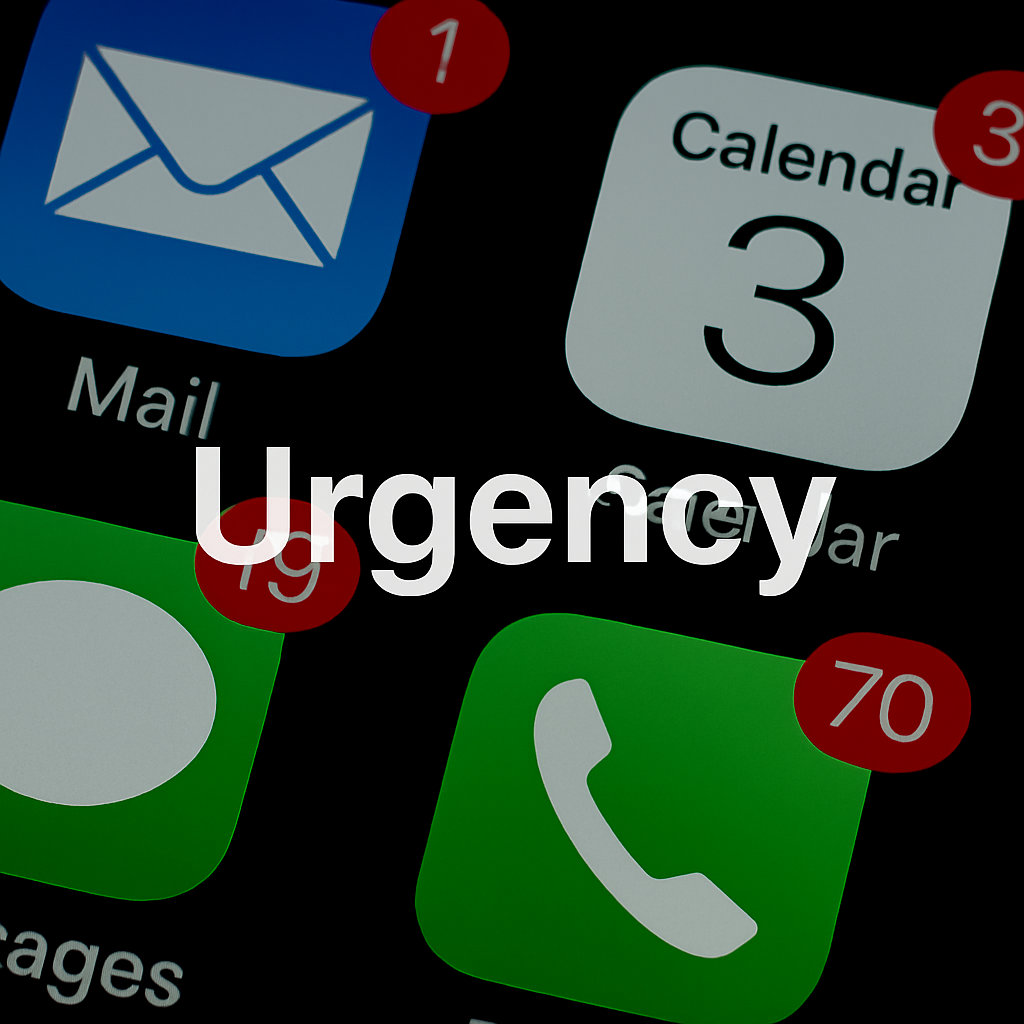
Notification Colors Are Not Random
Infinite Scroll Removed Your Stopping Point
Books have pages.
TV shows have episodes.
Magazines have endings.
But your smartphone?
Has no natural stopping signal.
Infinite scroll was introduced to remove friction.
If there’s no stopping cue, you don’t stop.
You just continue.
Your brain never receives a completion signal.
That’s not accidental.
It’s deliberate design.
The Phantom Vibration Effect
App Icons Are Designed for Visual Hierarchy
Look at your home screen.
Which apps are brighter?
Which apps use high-contrast colors?
Social apps often use bold, high-visibility designs.
Utility apps are usually neutral.
Why?
Because attention is a limited resource.
The apps competing for it are designed to win it.
Your home screen is a battlefield of visual psychology.
If you’re planning to upgrade your device, check our detailed smartphone buying guide before making a decision.
Autoplay Is Training Passive Consumption
When one video ends, another starts automatically.
No decision required.
Autoplay removes the “choice moment.”
Without that pause, your brain doesn’t evaluate.
It just continues.
That’s habit automation.
Face Unlock Reduced Friction — But Increased Usage
Remember when unlocking required effort?
Now:
Look at phone → It opens instantly.
Convenience increased.
But so did frequency.
Friction removal increases habit frequency.
Small changes in access speed dramatically affect usage time.
Dark Mode Isn’t Just About Eyes
Yes, dark mode reduces strain.
But it also increases screen immersion.
Bright screens remind you of reality.
Dark screens blend into your environment.
Less contrast with surroundings = deeper focus on content.
Design decisions influence attention depth.
Sound Design Is Subtle Conditioning
Notification sounds are short, crisp, and distinctive.
Over time, your brain associates specific sounds with:
- Social validation
- Work messages
- Urgent alerts
Your nervous system learns them.
That’s auditory conditioning.
The Upgrade Desire Is Emotional, Not Technical
When a new phone launches, brands show:
- Cinematic videos
- Lifestyle visuals
- Confident users
They sell identity — not hardware.
You don’t upgrade because of RAM.
You upgrade because you want to feel current.
Smartphone design isn’t just about specs.
It’s about identity reinforcement.
What This Means for You
This isn’t about deleting your phone.
It’s about awareness.
When you understand behavioral design:
- You scroll more intentionally
- You manage notifications smarter
- You upgrade rationally
- You reduce unconscious usage
Your smartphone becomes a tool again — not a trainer.
Final Thought
Your smartphone is one of the most sophisticated behavioral design products ever created.
Not evil.
Not malicious.
Just optimized.
Optimized for engagement.
Optimized for retention.
Optimized for repetition.
Now that you see it…
You’ll never use your phone the same way again.
You can also explore our other smartphone insights to understand how modern devices really work.
Frequently Asked Questions About Smartphone Behavioral Design(FAQ)
Is smartphone behavioral design intentional?
Yes. User experience teams use behavioral psychology to improve engagement and usability.
Is infinite scroll addictive?
It can increase usage time because it removes natural stopping cues.
Can I reduce smartphone conditioning?
Yes. Disable non-essential notifications, remove autoplay, and set screen time limits.