
How the Invisible force AI Layer inside your Smartphone System Works
Key Takeaways About the Smartphone AI System
- The smartphone AI system optimizes performance.
- The smartphone AI system manages battery intelligently.
- The smartphone AI system improves personalization.
- The smartphone AI system filters notifications automatically.
Most people think their smartphone works only when they tap, swipe, or open apps. But in 2026, that’s no longer true.
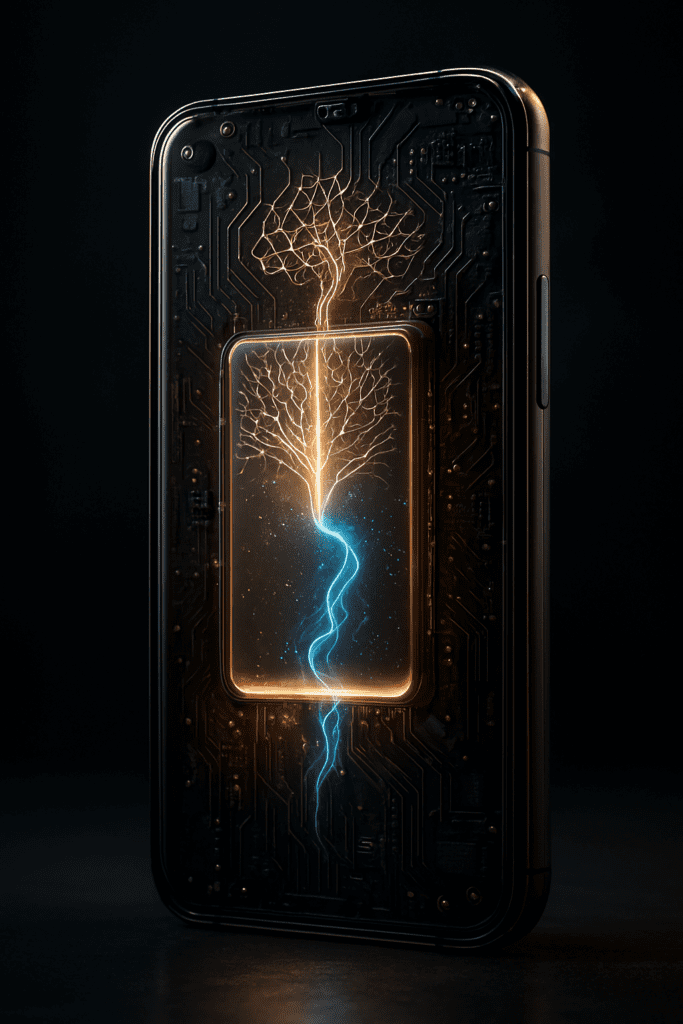
An invisible force AI layer in smartphones is constantly analyzing patterns, predicting actions, managing battery cycles, optimizing memory usage, filtering notifications, and adapting to your habits — without ever showing itself on the screen.
You never open it.
You never see it.
But it shapes everything.
Let’s uncover what this invisible intelligence really does — and why understanding it changes how you use your phone forever.
Benefits of the Smartphone AI System for Daily Users
What Is the Invisible AI Layer?
The invisible AI layer in smartphones is a background intelligence system embedded within the operating system. It includes:
- Predictive app loading
- Background process management
- Adaptive brightness learning
- Battery optimization modeling
- Behavioral notification filtering
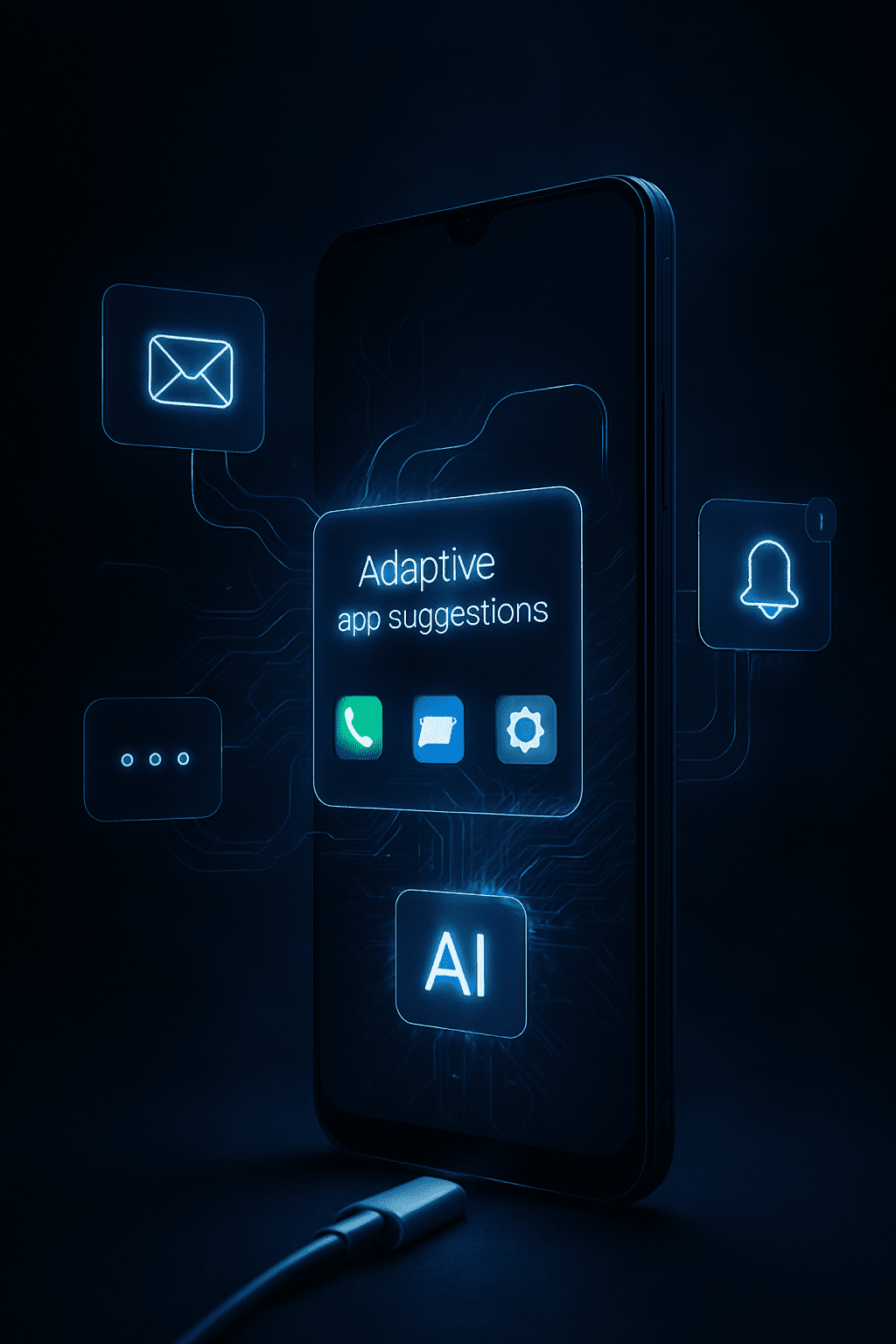
- Context-aware suggestions
It is not a single app.
It is not a visible setting.
It is a behavioral engine quietly operating beneath the interface.
In 2026, both Android-based systems and iOS devices rely heavily on this invisible decision-making architecture.
How It Quietly Controls Performance
Have you ever noticed:
- Some apps open instantly?
- Your phone dims at the right time?
- Frequently used apps stay active?
- Rarely used apps close automatically?
That’s not coincidence.
The smartphone AI system intelligently reallocates RAM and CPU power based on real-time usage patterns.
The invisible AI layer in smartphones studies:
- Your daily unlock times
- App frequency usage
- Typing speed
- Battery drain patterns
- Charging habits
- Screen interaction pressure
Then it reorganizes system resources dynamically.
This is why two identical phones can feel completely different depending on the user.
The AI system dynamically reallocates RAM based on your daily usage patterns.
If you’ve ever wondered why your phone feels slow, the smartphone AI system may be reallocating resources in the background.
The Battery Intelligence You Don’t See
Notification Filtering & Behavioral Silence
The Memory & RAM Optimization Secret
One of the most powerful aspects of the invisible AI layer in smartphones is memory allocation.
Instead of running all apps equally, it predicts:
- Which apps you will open next
- Which apps can be suspended
- Which background tasks are unnecessary
It creates something called “predictive RAM cycling.” Through machine learning, the smartphone AI system improves long-term device stability.
That’s why modern devices feel smoother even without huge hardware upgrades.
Invisible Personalization Engine
Your keyboard suggestions, app recommendations, and even photo gallery highlights are powered by this invisible system.
It uses:
- On-device machine learning
- Context-based inference
- Micro-pattern recognition
All without sending everything to the cloud.
The AI is becoming more local and privacy-focused.
The Privacy Angle: Is It Watching You?
Important distinction:
The invisible AI layer in smartphones does not “spy” in a traditional sense.
Understanding the smartphone AI system helps you control personalization settings better.
It analyzes behavioral patterns locally to optimize performance. Understanding the smartphone AI system helps users balance personalization and privacy.
However, apps with permissions may still collect data separately.
That’s why understanding system intelligence vs app tracking is important.
Understanding how to improve smartphone privacy settings helps you balance personalization and data control.
Think of it like training your device...
How To Use This Knowledge Smartly
You can’t “turn off” the invisible AI layer — but you can influence it.
- Clear Unused Apps
- Removes misleading usage patterns.
- Adjust Battery Optimization Settings
- Helps the AI understand your preferences.
- Limit Background Permissions
- Prevents unnecessary pattern noise.
- Maintain Consistent Charging Cycles
- Improves AI prediction accuracy.
- Think of it like training your device.
Why This Matters in 2026
In earlier years, phones responded.
Now they anticipate.
The invisible AI layer in smartphones marks the shift from reactive technology to predictive intelligence.
The future isn’t about bigger screens or faster processors.
It’s about smarter invisible systems.
hidden smartphone features guide
Quick Comparison Table
| Traditional Smartphone | AI-Enhanced Smartphone (2026) |
|---|---|
| Static performance | Predictive performance |
| Manual brightness | Adaptive brightness |
| Fixed charging | Smart charging AI |
| Equal app priority | Behavior-based priority |
| Notification overload | Intelligent filtering |
Final Thoughts
The most powerful feature in your phone isn’t visible.
It’s not a camera mode.
It’s not a hardware upgrade.
It’s the invisible AI layer in smartphones — quietly learning, adapting, and reshaping your digital experience every second.
Once you understand it, you stop fighting your phone.
And start training it. As smartphones evolve, the smartphone AI system will become even more predictive and autonomous.
As technology evolves, the smartphone system will become even more predictive and autonomous.
Did this change how you see your smartphone?
Share this article with someone who thinks their phone is “just a device.”
Because it isn’t.
Frequently Asked Questions
What is a smartphone AI system?
A AI system is a background intelligence layer that analyzes user behavior, optimizes performance, manages battery usage, and personalizes app experiences automatically.
Does the AI system affect battery life?
Yes. Modern AI systems optimize charging patterns, manage background apps, and reduce unnecessary power consumption to improve long-term battery health.
Is the AI system collecting personal data?
Most AI processing now happens on-device using local machine learning models. However, app-level permissions may still collect data separately.
Can I turn off the smartphone AI system?
You cannot fully disable it because it is integrated into the operating system. However, you can limit its behavior by adjusting battery optimization, background activity, and personalization settings.