
Shocking Truth Your Smartphone Has a Digital Personality – And It’s Learning You Faster Than You Think
This is not about hidden features.
Not about speed tricks.
How the Smartphone Digital Personality Actually Works
This is about something deeper:
Your phone is building a behavioral model of you every single day.
Most influencers talk about specs.
Very few talk about behavioral AI patterns inside smartphones.
In 2026, the concept of a smartphone digital personality is no longer futuristic theory. Your device quietly builds a behavioral profile based on your daily habits.
Many of these behavioral systems are powered by settings buried deep inside your device, similar to the hidden smartphone features most users ignore.
This is your unique angle.
What Is a Digital Personality?
A digital personality is the behavioral model your phone creates based on:
- Your typing speed
- Your most-used apps
- The time you unlock your device
- Your scrolling habits
- Your notification response time
- Your location routines
Your phone doesn’t just store this data.
It analyzes it.
And then it adapts to you.
The smartphone digital personality is powered by machine learning models that adapt to your usage patterns
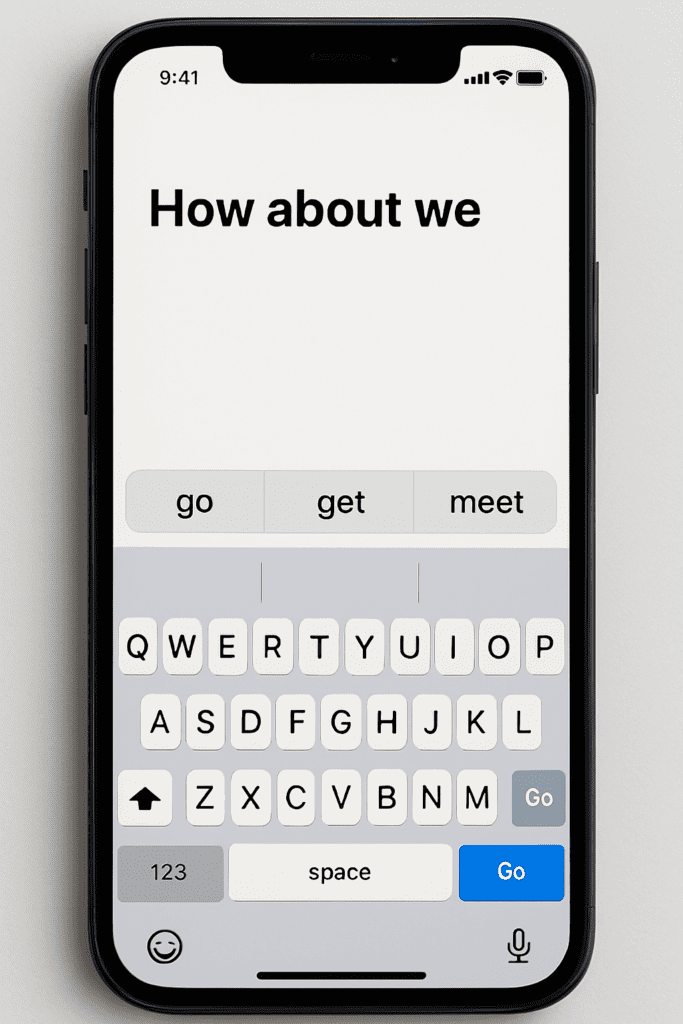
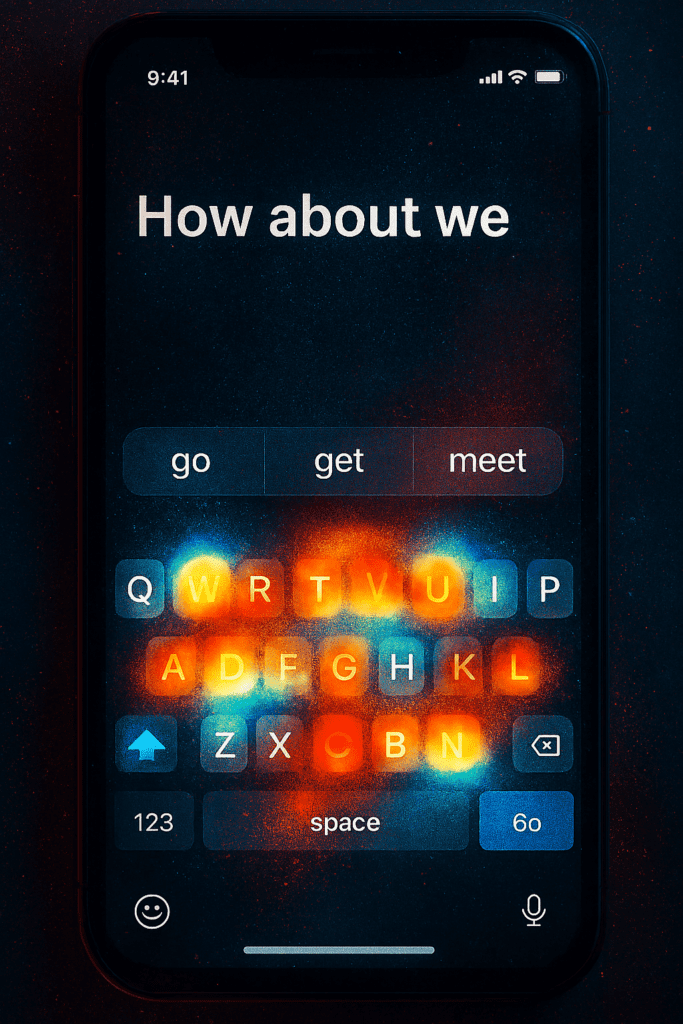
Your Typing Patterns Are Unique
Did you know your typing rhythm is almost like a fingerprint?
Your Unlock Routine Reveals Your Lifestyle
Check your screen time analytics.
App Usage Creates a Behavioral Map
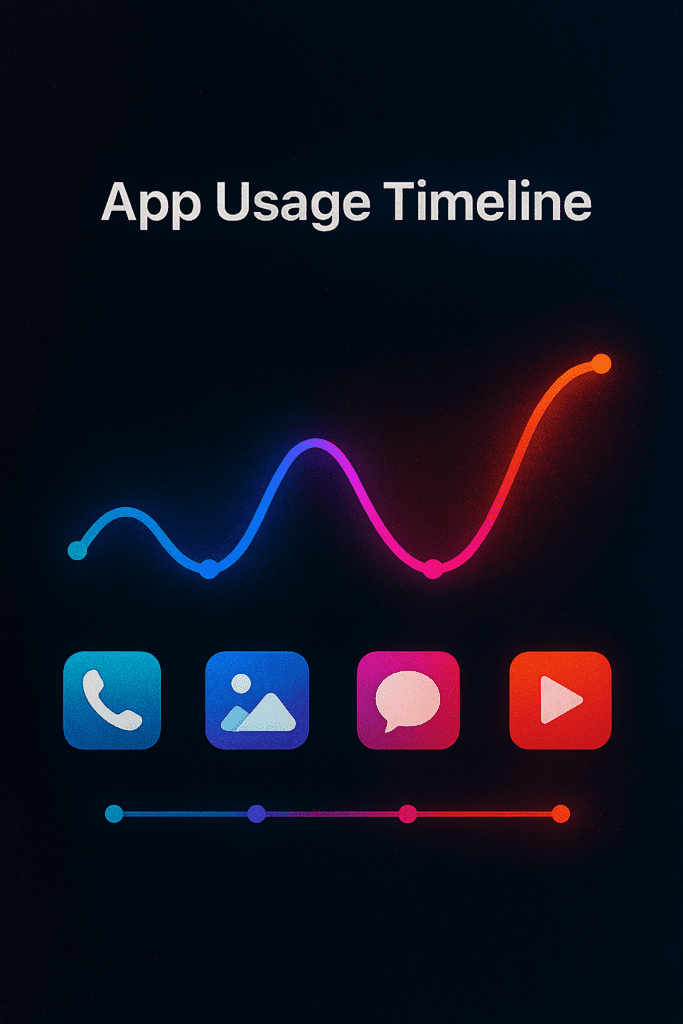
Over time, your smartphone digital personality becomes more accurate at predicting your actions.
Your Camera Knows What You Love
Modern smartphones use AI scene detection.
But it goes deeper.
If you take:
- More food photos → it enhances color warmth
- More selfies → it refines skin tone optimization
- More documents → it boosts contrast automatically
It adapts based on your photography behavior.
Your camera style evolves.
Not because of updates.
But because of you.
Understanding your smartphone digital personality gives you better control over personalization and privacy settings.
Notification Response Time Is Studied
Your Phone Predicts Before You Act
Have you noticed:
- Google Maps suggests directions before you search?
- Spotify recommends songs that match your mood?
- Your phone suggests apps before you type?
This is predictive modeling.
It’s not random AI magic.
It’s long-term behavior training.
This evolving smartphone digital personality also helps optimize battery life and background processes.
Is This Dangerous?
Here’s the important part.
Your digital personality mostly stays:
- On-device (for performance optimization)
- Encrypted
- Used for personalization
But certain apps and services use cloud-based behavior tracking.
That’s where privacy awareness becomes important.
Understanding how your device learns you gives you power.
Not fear.
The Difference Between a Smart User and an Aware User
A smart user:
Uses features.
An aware user:
Understands how the system adapts to them.
Awareness changes how you:
- Manage privacy
- Control permissions
- Optimize usage
- Protect personal data
Can You Reset Your Digital Personality?
Yes.
You can partially reset behavioral models by:
- Clearing keyboard history
- Resetting advertising ID
- Adjusting app permissions
- Resetting app preferences
- Factory resetting device
But remember:
The moment you start using your phone again…
It starts learning again.
Why This Matters in 2026
Phones are no longer passive devices.
They are:
- Behavioral assistants
- Predictive engines
- AI companions
- Personal optimization systems
The more you use them,
the more accurate they become.
Your smartphone doesn’t just store your data.
It models you.
Quietly.
Mathematically.
Hidden Trick
| Feature | Traditional Phone | AI-Based Smartphone |
|---|---|---|
| App Suggestions | Manual | Predictive |
| Battery Optimization | Static | Adaptive |
| User Experience | Fixed | Personalized |
Expert Insight
Industry experts predict that smartphone digital personality systems will become more advanced with edge AI processing by 2027.
Final Thought
You are not just holding a phone.
You are holding a mirror.
A digital reflection of your habits,
your routines,
your impulses.The real question isn’t:
“Is my phone smart?”
The real question is:
Are you aware of how smart it has become?
The rise of the smartphone digital personality marks a major shift in how we interact with technology.
Simple Call To Action
Did this change how you see your smartphone?
Share this article with someone who thinks their phone is “just a device.”
Because it isn’t.
Related Reads:
- Hidden Smartphone Features
- Why Your Phone Feels Slow
- Private DNS Guide
Frequently Asked Questions
What does it mean that a smartphone has a digital personality?
A smartphone digital personality refers to the behavioral model your device builds based on your daily usage patterns. It learns from your typing habits, app usage, screen time, and interaction style to personalize suggestions and optimize performance.
How does my smartphone learn my habits?
Modern smartphones use on-device artificial intelligence and machine learning. These systems analyze patterns like frequently used apps, unlock times, notification responses, and browsing behavior to predict what you’re likely to do next.
Is my phone constantly tracking my behavior?
Your phone tracks usage patterns mainly for personalization and performance improvements. Most behavioral learning happens on the device itself, though certain apps may collect data depending on permissions and privacy settings.
Can I stop my smartphone from learning my behavior?
You can limit personalization by managing app permissions, disabling ad tracking, clearing keyboard data, resetting app preferences, or performing a factory reset. However, once you continue using the device, it will gradually begin learning again.